Plein Air Painting in Yorkshire: Best Locations, Seasons and Practical Tips
A practical guide to plein air painting Yorkshire: best coastal and upland spots, seasonal timing, gear choices and safety tips to help you paint quickly and confidently in changing light.

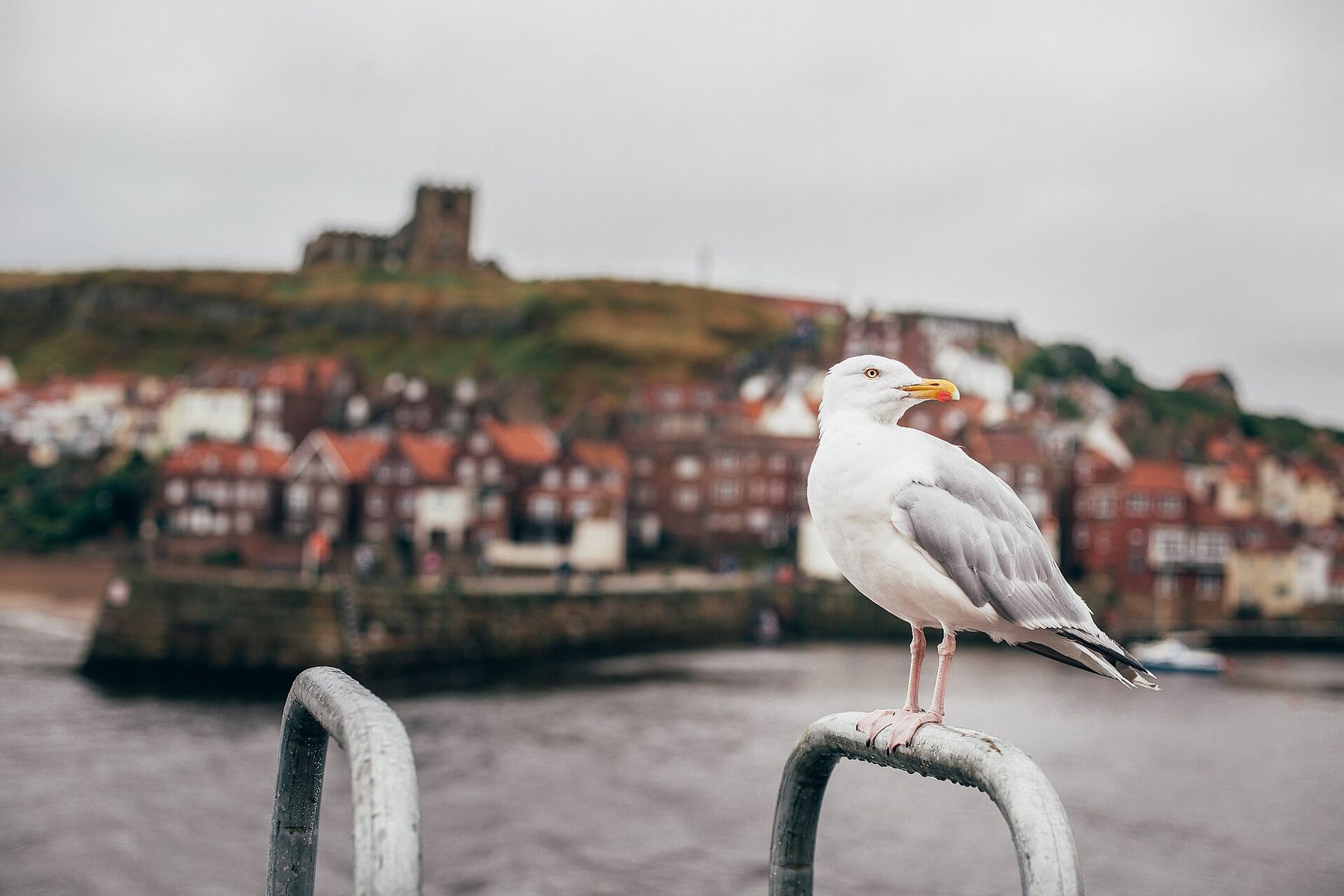
Whitby, North Yorkshire — CC0.
Credit: CC0 via Wikimedia Commons
Key takeaways
- • Yorkshire offers varied subjects from chalk cliffs and active harbours to limestone dales and heather moors.
- • Plan by season: spring for fresh greens, summer for heather, autumn for golden light and winter for low sun scenes.
- • Work small and light: low easel or pochade box, 6x8 or 8x10 panels, waterproofs and quick drying media for oils.
- • Know access rules: public rights of way and open access land are fine; ask permission to set up on private land or managed harbour quays.
- • Manage wind and safety: stay back from cliff edges, carry navigation for moorland, and use car shelter or clamps in high wind.
Plein air painting in Yorkshire offers something genuinely rare: a single county that gives you chalk sea cliffs, high limestone dales, open moorland, wooded valleys, and historic market towns, all within a few hours of each other. Whether you paint in watercolour, oils, or pastel, the landscape here will test your ability to work quickly, respond to changing light, and make confident decisions in the field. This guide covers the best locations, what to expect from each, and the practical detail you need to plan a trip that actually works.
Why Yorkshire Rewards Plein Air Painters
Yorkshire's variety is its greatest strength. In a single week you could move from the drama of the East Yorkshire coast to the intimate patchwork of Swaledale, then out onto the wide, heather-covered North York Moors. That range means there is almost always somewhere productive to paint, whatever your preferred subject or mood.
The weather is part of the deal, and experienced painters here embrace it rather than resist it. Fast-moving cloud shadows, shafts of rain over distant fells, soft grey light over a harbour at low tide: these are subjects in their own right, not reasons to stay home. Yorkshire also has a genuine plein air tradition to paint alongside. The Staithes Group, active in the late nineteenth century, were among the most serious and prolific outdoor painters working in England at the time, and contemporary painters continue to work throughout the county in their footsteps.
The Yorkshire Coast: Drama, Light and Harbours
Staithes
Staithes is one of the most historically significant plein air locations in England. The Staithes Group of painters, including Laura Knight and Harold Knight, came here in the 1890s and early 1900s drawn by the tightly stacked cottages, the working harbour, and the quality of light bouncing off the water and walls. That same quality draws painters today.
The subjects are still excellent: the beck cutting through the village, the harbour at various states of tide, boats on the mud, steep cliffs rising on either side, and cottages in close, overlapping planes that reward careful observation. The scale is intimate, which suits a pochade box or sketchbook far better than a full-size easel, particularly in season when the narrow lanes are busy with visitors.
Parking is at the top of the village. The walk down is steep and becomes steeper on the return carrying kit. Most painters bring only what they can comfortably carry in one go. Early mornings in the off-season give you quieter streets and better light. Some quayside and beck-side areas involve privately managed land; check any signage and ask politely if you are unsure. You will almost always be welcomed.
The Staithes Festival of Arts and Heritage runs on 13 and 14 September 2025. Open studios, exhibitions, and painters working in the village make this a genuine reason to build a trip around that specific weekend.
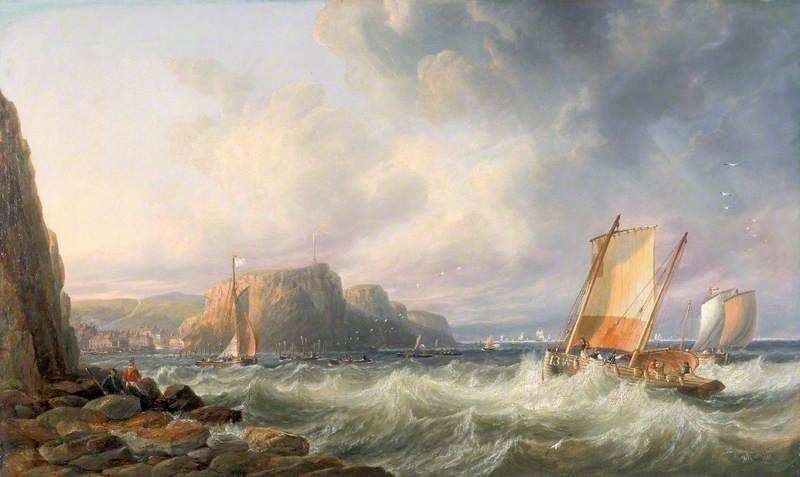
Off the Yorkshire Coast, Staithes by John Wilson Carmichael.
Bempton Cliffs and Flamborough Head
Bempton is a different kind of location entirely: open, exposed, and vast. The chalk cliffs drop sheer into the North Sea, and on a clear morning the tonal contrast between the white cliff face, the deep green water, and a pale sky can stop you in your tracks. The scale here suits large wet washes in watercolour, or oils worked boldly for tonal weight rather than fine detail.
The RSPB reserve at Bempton has fenced viewpoints and clear paths; the parking area charges apply. It is one of the more accessible cliff locations in Yorkshire, with a short, flat walk from the car park to the cliff edge. Flamborough Head, a short drive south, gives a different angle on the same chalk geology and is worth combining with a Bempton visit.
Wind is the defining practical issue at both locations. Even on days that feel calm inland, the cliff tops here can be surprisingly blustery. Work small, keep your setup low, and have a plan for your kit if the wind picks up. On genuinely windy days, working from the car with the window down is not an admission of defeat; it is a sensible way to get work done.
Coastal safety
On exposed clifftops like Bempton and Flamborough, always stay well back from the edge and respect any fencing or barriers. These edges can be unstable, especially after rain.
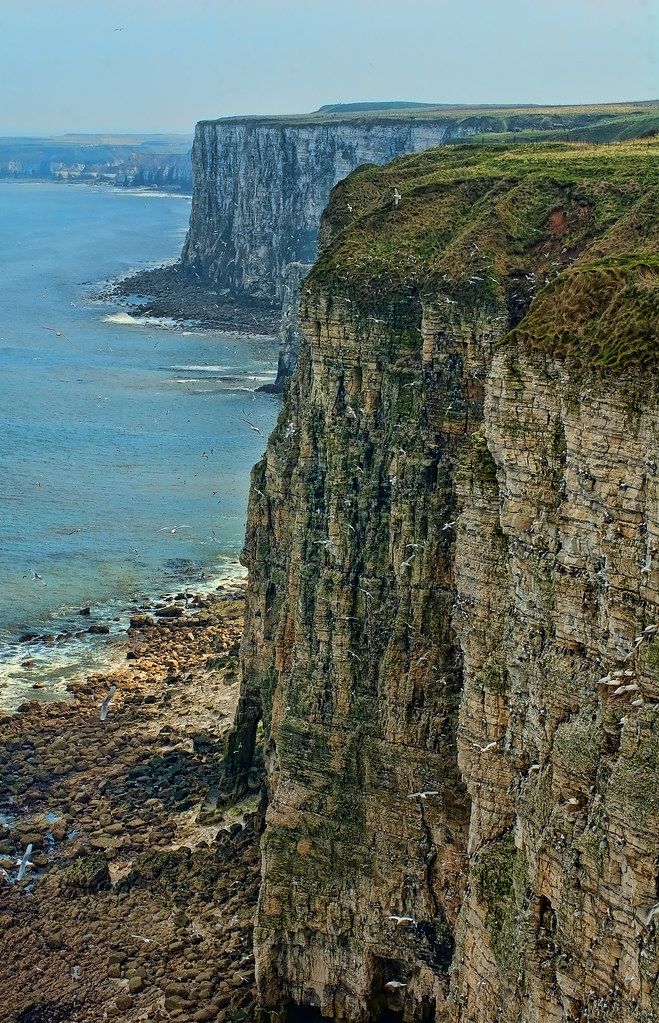
Bempton Cliffs on the coast at Bridlington, East Yorkshire. by Thomas Tolkien — Flickr; CC BY 2.0
Whitby, Robin Hood's Bay and Scarborough
These three towns offer a different kind of coastal painting: architectural, active, and well-served with nearby shelter when the weather turns.
Whitby rewards painters who want complexity. The harbour, the red-roofed town viewed from the west bank, and the abbey ruins on the clifftop above all offer strong compositions. The mix of boats, water, townscape, and sky in a compact area means you can move a short distance and find an entirely different subject if your first setup is not working.
Robin Hood's Bay is exceptional for small-scale studies of the bay itself and the slipway, but the village is very steep and access for heavy kit is genuinely limited. Work light here, or treat it as a sketching session rather than a full painting day.
Scarborough's South Bay and the castle headland offer expansive compositions and easier access than most coastal locations. The town also provides practical shelter, food, and parking, which makes it a reliable option when the forecast is uncertain.
Tidal awareness
At Staithes, Robin Hood's Bay and other cove locations, check tide times before settling in to paint. What looks like a wide foreshore at low tide can narrow quickly as the water comes in.
The Yorkshire Dales: Walls, Barns and Shifting Skies
Wensleydale, Wharfedale and Swaledale
The three great dales offer what many painters consider the quintessential Yorkshire subject: dry-stone walls running up impossible slopes, traditional field barns in grey limestone, rivers running clear over pale rock, and a sky that never stays still for long.
The patchwork of small fields, seen from higher ground in Swaledale or along the B6270, is one of the most-painted views in English landscape painting. The practical challenge is selecting a composition that reads clearly without attempting to document every wall. Simplify early, decide on your value structure before you set up, and commit to it as the light shifts. It will shift.
Painting in showers is normal practice in the Dales. Experienced painters here work on small panels, often 6×8 or 8×10 inches, and accept that sessions may be cut short. A small shelter or a large umbrella with a spike is worth carrying. The B6160 through Wharfedale and the B6270 through Swaledale both offer numerous roadside lay-by positions for painters who want to stay close to the car. Aysgarth Falls in Wensleydale is worth a visit for its drama and as a change from open field subjects.
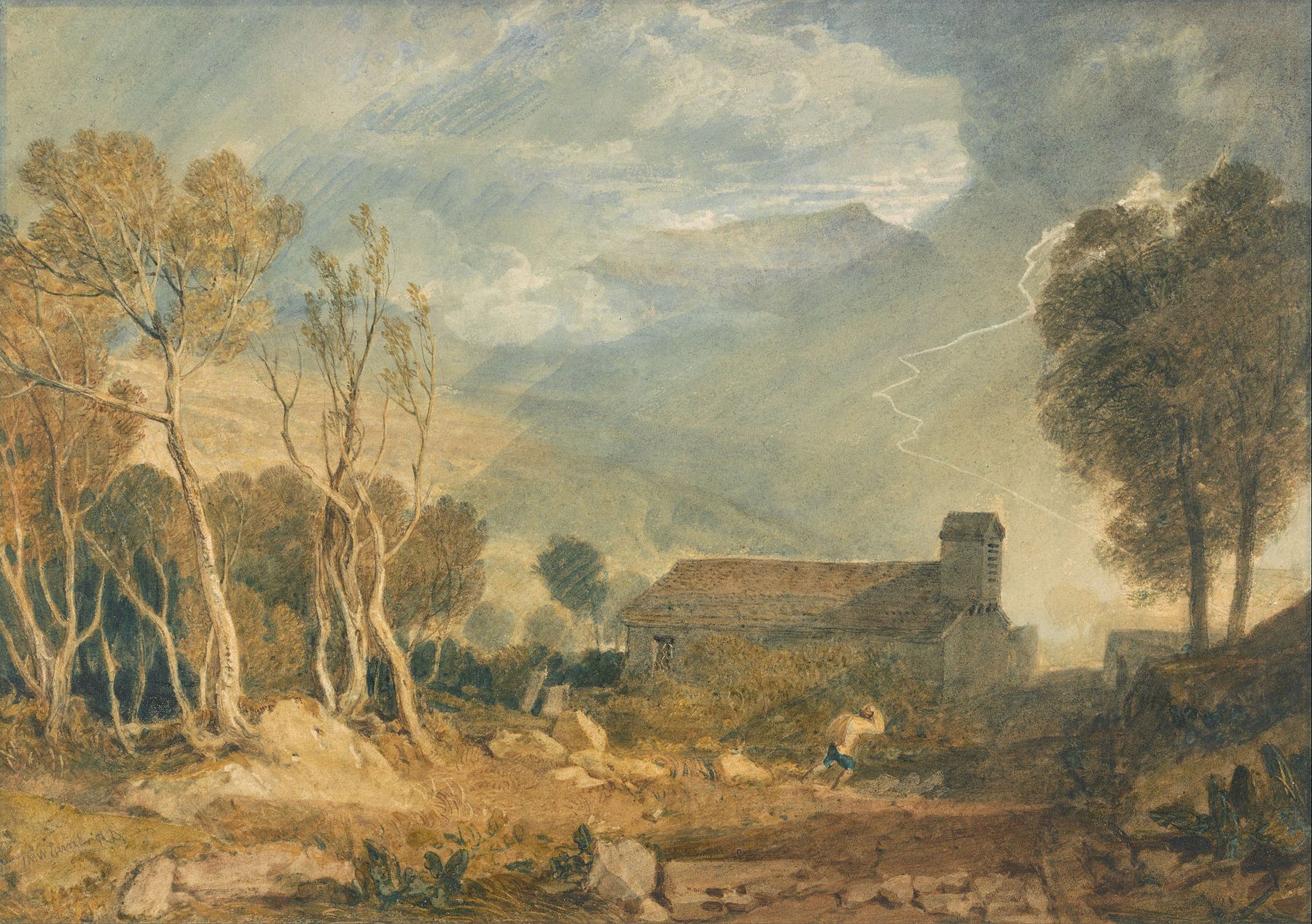
Ingleborough from Chapel-le-Dale by J. M. W. Turner.
Nidderdale AONB: A Quieter Alternative
Nidderdale sits just outside the National Park boundary and is noticeably quieter in high season. The River Nidd, Gouthwaite Reservoir, surrounding moorland, and the market towns of Pateley Bridge and Masham give painters a varied range of subjects within short distances of each other.
Pateley Bridge and Masham are both walkable, with river access and valley views close to the town centres. The area has been used as a base for structured plein air retreats, which reflects both the quality of access and the variety of subjects on offer. Heather peaks in late July and August on the moor tops, producing one of the most distinctive colour subjects in Yorkshire. If you find the National Park car parks busy in summer, Nidderdale is the obvious alternative and often the better day out.
North York Moors and the Wolds
The North York Moors have a different character from the Dales. Where the Dales feel enclosed and detailed, the Moors are broad, open, and sometimes austere. Deep wooded valleys cut into the plateau, the coastal escarpment rises sharply above the sea, and moorland villages like Goathland sit quietly in the folds of the landscape.
Heather moorland from late July through September is the defining seasonal subject here. The colour is extraordinary and does not last long. Wind management on the open tops is essential: a low-set easel or a pochade box on a compact tripod is far more practical than a tall French easel in exposed conditions. Navigation on unfenced moorland can be genuinely disorienting in mist, so stay on marked routes unless you are confident with a map and compass.
The Yorkshire Wolds, by contrast, are gentle: chalk uplands, dry valleys, long hedgerows, and wide arable horizons. They are rarely crowded, and the quiet spaciousness makes them a genuinely good choice for painters who find more dramatic landscapes difficult to work with. Many views can be painted from roadside lay-bys along the country lanes, which keeps access simple.
Towns and Villages Worth a Session
Not every day needs a dramatic landscape. Several Yorkshire towns offer strong architectural and river subjects alongside practical shelter and easy access, and they are particularly useful when the weather is settled enough to be comfortable but not good enough to justify a long drive onto the moors.
Beverley is outstanding for the minster, the market town streetscape, and the gentle Beck. York offers the river, the city walls, and the Shambles for those who want complex architectural subjects. Pateley Bridge and Masham both work as standalone painting destinations as well as Nidderdale bases. On a day when the upland forecast is genuinely poor, any of these towns can produce a productive and enjoyable session within a short walk of a car park.
When to Go: A Seasonal Guide to Painting in Yorkshire
| Season | Landscape highlights | Weather reality | Best for |
|---|---|---|---|
| Spring | Fresh greens, clear rivers, lambing fields | Variable, showery, can be cold | Dales and Nidderdale; long days building |
| Summer | Heather building on moors, busy coasts | Most settled but still unpredictable | Coast and moors; crowds at popular spots |
| Autumn | Woodland colour, low golden light | Increasingly changeable, mists | Dales valleys, wooded gorges, waterfalls |
| Winter | Low sun, dramatic shadows, snow on fells | Short days, icy roads, reduced access | Market towns, urban riversides; keep it close to the car |
Spring is fresh and promising, with the Dales at their greenest and the rivers running clear. Days lengthen quickly through April and May, and the combination of clean light and new growth makes this a rewarding season despite the cold and unpredictable showers.
Summer is the most settled season overall, though "settled" in Yorkshire still means keeping an eye on the sky. The coast and the moors both draw crowds at peak times, so early starts pay dividends. Heather colour begins building on the moors through July.
Autumn is many painters' favourite. October brings genuine golden light into the Dales valleys and wooded gorges, and the low sun angle creates long, dramatic shadows. Conditions become increasingly changeable through October and November.
Winter requires more planning: short days, icy roads on the higher routes, and reduced access to moorland and exposed clifftops after storms. But the low winter sun over a market town, a frosty valley, or a harbour at high tide can produce extraordinary tonal subjects. Stay close to the car and work small.
Practicalities: Access, Parking and Permissions
Rights of Way and Open Access Land
In England, you may stand and work on public rights of way and on designated Open Access land without seeking permission. Easels and tripods are acceptable on public paths as long as they do not obstruct other users, damage vegetation, or block gates. In practice, most rural locations in the Dales and Moors offer room to set up comfortably without causing any issue. The Countryside Code applies throughout: close gates, keep dogs under control, take your litter home, and avoid disturbing livestock or nesting birds.
Private Land and Harbour Areas
You can paint views of private buildings from public land without permission, and selling the resulting work is entirely lawful. Setting up on private land, including some farmyards and harbour quays, requires the landowner's consent. A polite question almost always gets a yes. This is particularly relevant at Staithes, where parts of the quayside and beck area involve privately managed land; check signage and ask if you are unsure.
National Parks and AONBs
Both the Yorkshire Dales and North York Moors National Parks actively promote landscape enjoyment, and painting is entirely welcome. Nidderdale AONB and the Howardian Hills take the same approach. Managed sites such as the RSPB reserve at Bempton Cliffs and National Trust properties have their own site rules; follow all signage and stay within designated visitor areas.
Safety and Common Sense in the Field
Coastal cliffs require consistent respect. Stay well back from all edges, follow any fencing or barrier lines, and do not place your easel where it would require you to stand near the edge to use it. After rain, chalk cliff edges in particular can be unstable.
On moorland, mobile signal is patchy across much of the North York Moors and Dales. If you are walking any distance from the car, carry a paper map and know how to use it. Tell someone where you are going if you are heading onto open ground alone.
Livestock are present throughout the Dales and moorland regions. Give animals space, especially in spring with young stock. Bulls may legally be present in some fields crossed by rights of way; if you encounter one and feel uncertain, find a different route.
Carry waterproofs and a warm layer on every trip. A morning that looks settled from the car park can feel very different after an hour on an exposed hillside or clifftop.
Gear Choices for Yorkshire Conditions
Keep your kit as light as the session allows. What feels manageable on flat ground becomes genuinely tiring on the steep lanes of Staithes or the paths down to a Dales waterfall. Carrying only what you need is not a compromise; it is the difference between an enjoyable session and an exhausting one.
Work small. A 6×8 or 8×10 inch panel or block is the practical standard for Yorkshire sessions where conditions are changeable and you may need to move quickly. Smaller surfaces also dry faster in oils, which matters when you are loading up to walk back to the car.
For watercolour, a well-bound sketchbook handles wind and light rain better than loose sheets. Keep a small spray bottle in your bag to maintain palette moisture on fast-drying days. For oils, a quick-drying medium and a limited palette let you make the most of short windows of good weather. Pastel suits the atmospheric Dales light well, but use a rigid backing: wind can flex thin paper enough to dislodge fresh pastel at a frustrating moment.
A low-set easel or a pochade box clamped to a compact tripod performs significantly better in wind than a tall French easel. Carry a purpose-made wet panel carrier or foam strips for transporting work home safely.
Events and Communities Worth Knowing About
The Staithes Festival of Arts and Heritage is confirmed for 13 and 14 September 2025. The festival runs open studios and exhibitions throughout the village, and painters working in Staithes that weekend are very much part of the spirit of the event. It is one of the better reasons in the UK calendar to plan a painting trip around a specific date.
Structured plein air retreats based in and around Nidderdale, centred on Masham and Pateley Bridge, have been run in recent years. If you are looking for a guided introduction to painting in Yorkshire, a short residential retreat is worth researching. Check for current availability and confirmed upcoming dates before booking, as schedules vary.
Local art societies in York, Leeds, Harrogate, and Scarborough organise regular outdoor painting sessions and are worth finding if you prefer to paint with others. Urban sketching groups are active in several Yorkshire cities. Verify that any group you find online is still active before turning up.
Yorkshire is well worth more than one trip. The county offers enough variety to occupy a painter for years, across all seasons and in all conditions. The weather keeps you honest, the landscape rewards patience, and the tradition of painting here, going back more than a century, means you are always in good company.
FAQ
Frequently Asked Questions
When is the best time for plein air painting in Yorkshire?
Spring for fresh greens and rivers, summer for heather and more settled weather, autumn for golden low light, and winter for dramatic tonal subjects. Check local forecasts and tides before you go.
What kit should I bring for Yorkshire conditions?
Work light and small: 6x8 or 8x10 panels, a low easel or pochade box on a compact tripod, waterproofs, a small umbrella or shelter, spray bottle for watercolour, quick drying medium for oils and a wet panel carrier.
Do I need permission to paint at harbours or on private land?
You may paint views visible from public rights of way and open access land without permission. Setting up on private land or managed quays requires the owner or manager's consent. Selling work painted from public viewpoints is allowed.
How do I handle wind and exposed sites like Bempton or moor tops?
Keep your setup low, clamp equipment, work small, and have a plan to protect canvases. On very windy days work from the car or use a sturdy pochade box rather than a tall French easel.
Any safety or access tips for painting in the Dales and Moors?
Stay on marked routes unless confident with map and compass, carry waterproofs and warm layers, avoid cliff edges, give livestock space, and tell someone your route if you head into remote areas.
Author

PleinAirPainting Editorial Team
PleinAirPainting.co.uk helps artists paint outdoors with confidence through UK-focused guides, equipment advice, resources and plein air inspiration.