Pochade Box vs French Easel: Which Is Right for You?
Practical comparison of pochade boxes and French easels for plein air painters. Covers portability, setup speed, panel size, stability, costs and clear recommendations for UK users.

Key takeaways
- • A tripod-mounted lightweight pochade box is the best choice for most UK plein air painters who travel by foot or public transport.
- • French easels suit painters who drive, work large canvases, or need studio to field versatility.
- • Key differences are portability, setup speed, maximum panel size, stability and total system cost.
- • Pochade types include lap/table wooden boxes, tripod-mounted lightweight boxes, and entry-level budget boxes.
- • Recommendation: start with a budget box, then upgrade to New Wave U.GO or a Mabef if you need lighter travel kit or larger working area.
You're browsing Jackson's or standing in a well-stocked art shop, and you're looking at two very different pieces of kit. One is a compact wooden box that sits in your hand. The other unfolds into something that looks like it belongs on a Paris street corner in 1890. Both are sold as the answer to outdoor painting. A pochade box and a French easel are genuinely different solutions to the same problem, and choosing the wrong one can mean it spends more time in your cupboard than in a field. This article explains the difference clearly and gives you a straight answer about which one suits how you actually paint.
What is a Pochade Box?
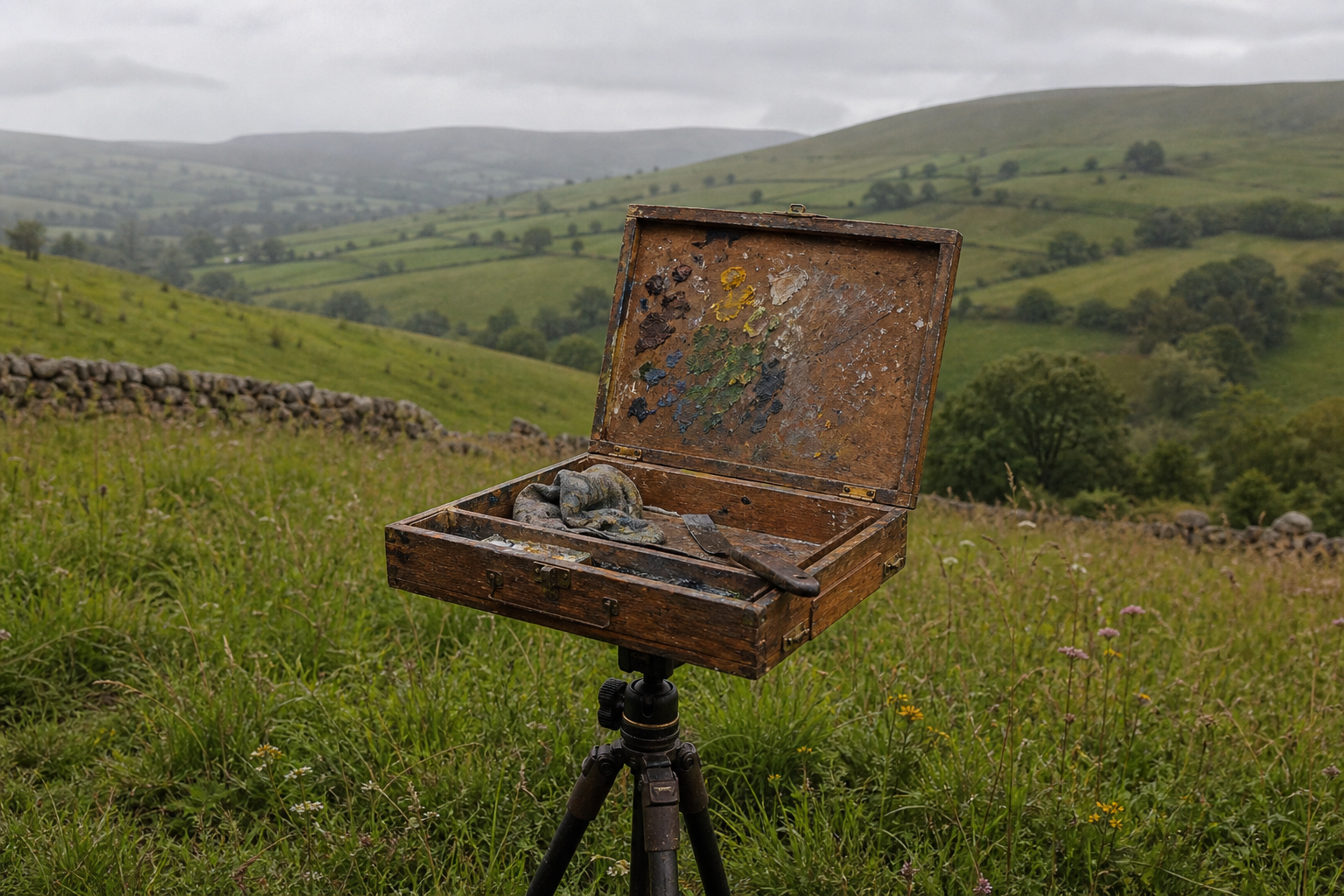
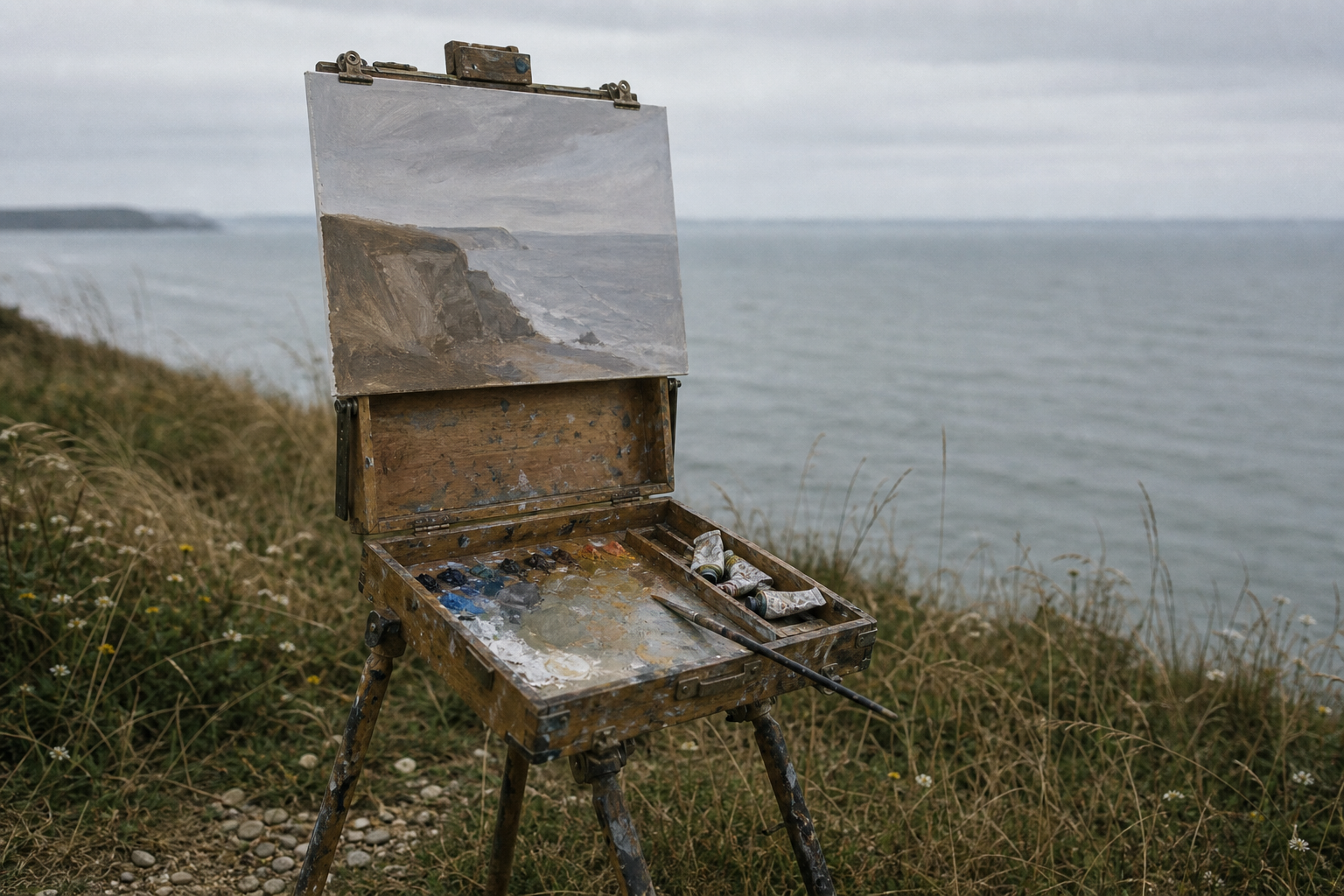
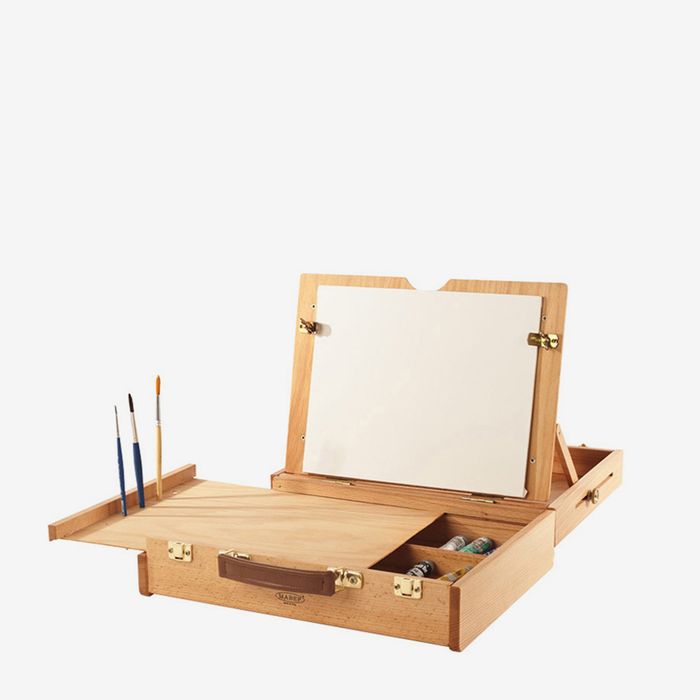
A pochade box is a compact, self-contained painting box, typically wooden, that combines three things in one unit: a hinged lid that props up to hold your panel or canvas board, a palette surface inside the box, and storage for paints, brushes, and small accessories. Everything you need for a painting session fits inside, and the whole thing closes up and travels with you.
The word comes from the French pochade, meaning a quick sketch or study made outdoors. That etymology hints at the format's strengths: it's designed for getting paint onto a surface quickly, in real conditions, without a lengthy setup.
In UK art shops you'll sometimes see this category labelled "plein air painting box", which is a broader marketing term covering several different formats. They're all broadly pochade boxes, but they vary in size, weight, and how they're supported. More on that shortly.
What is a French Easel?
A French easel is a wooden box easel with fold-out legs that form a full-height standing easel. An adjustable central mast holds your canvas, a drawer stores materials, and the whole thing collapses into a self-contained unit with a shoulder strap. In theory: one item, everything included, ready for the field.
In practice, a French easel is substantially heavier than people expect. Fully loaded with paints, mediums, and a few canvases, you're looking at 6 to 8kg. UK shops sometimes list these as "field easel" or "box easel" rather than using the French easel name, but the format is the same.
The French easel is a genuine tool with real strengths. It supports larger canvases, it feels stable and substantial when set up, and it works equally well in a studio or outdoors. The question is whether those strengths match the way you actually paint.
How They Compare: The Key Differences
The differences between a pochade box and a French easel come down to a handful of practical factors. The table below gives you a quick overview; the detail that follows explains what those differences actually mean in use.
| Portability | Setup speed | Max panel size | Stability | Storage | Best for |
|---|---|---|---|---|---|
| Pochade box (tripod-mounted) | High | Very fast | Up to ~12×16in | Good with solid tripod | Small–medium |
| Pochade box (table/lap) | Medium–high | Fast | Up to ~12×16in | Depends on surface | Small–medium |
| French easel | Low | Slower | 24in+ canvas | Very good when weighted | Medium–large drawers |
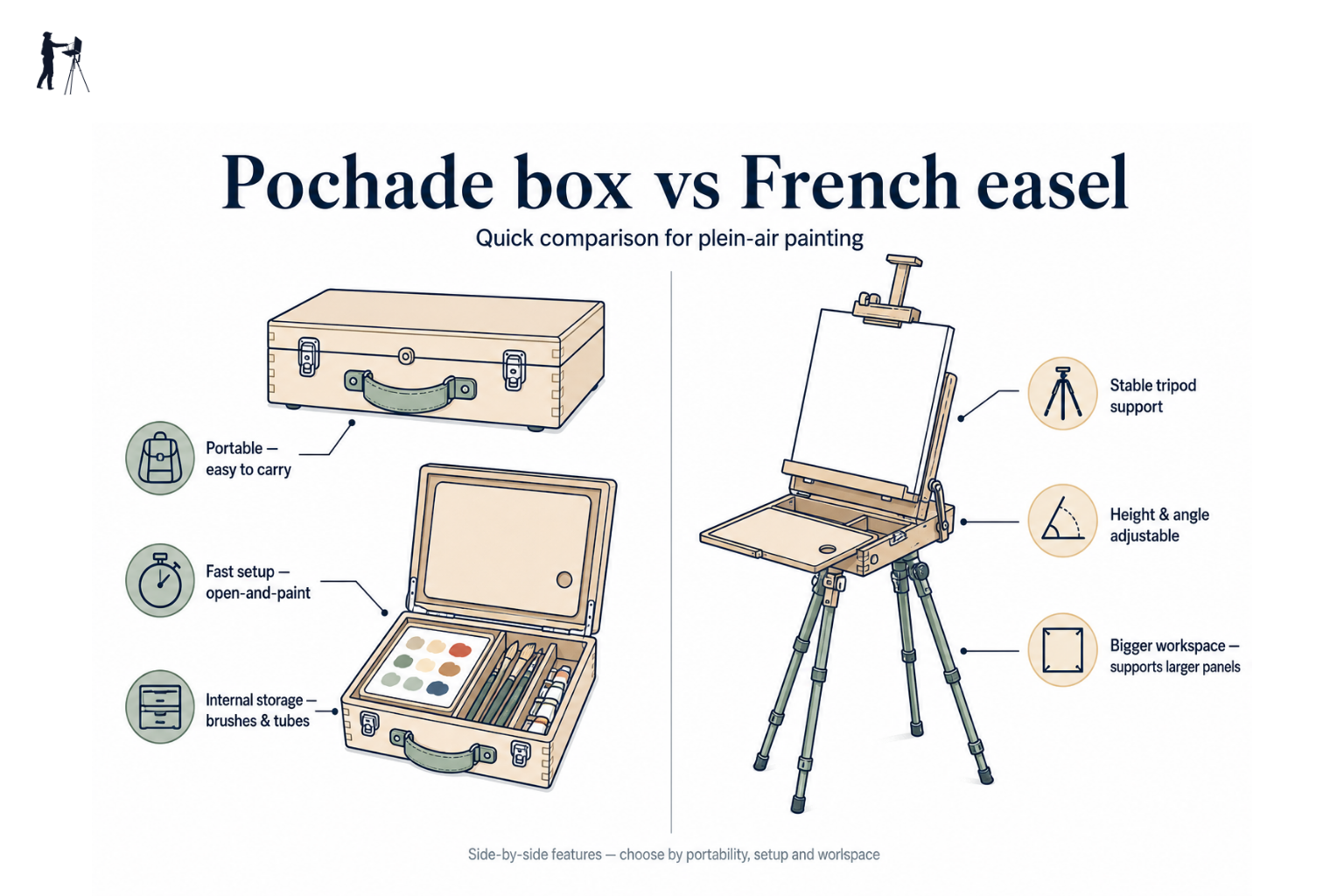
Portability is the single biggest differentiator for UK painters. If you travel to locations by train, bus, or on foot, the weight and bulk of a French easel becomes a real obstacle. A tripod-mounted pochade box, by contrast, fits into a rucksack alongside your other kit. On a wet Tuesday morning scrambling down to a Cornish cove, that difference is everything.
Setup speed matters more than people realise, particularly in the UK where the light changes fast and the weather can turn in twenty minutes. A compact box on a tripod can be painting-ready in two or three minutes. A French easel takes longer to unfold, level, and adjust, especially on uneven ground.
Panel size is where the French easel earns its place. Most pochade boxes top out at around 12×16 inches, which is a generous working size for field sketches but limiting if you regularly work larger. French easels will comfortably hold canvases well beyond that. If you're painting large outdoors, this matters.
Stability is solvable for pochades with the right tripod, but it is worth thinking about if you paint on exposed coastal or upland sites. A French easel's wider footprint gives it inherent stability; a pochade on a cheap tripod can flex and sway in a stiff coastal breeze. The answer is a decent tripod, not a different system, but it's a real consideration and a real cost.
Choosing the Best Pochade Box
Not all pochade boxes are the same, and what you'll find when you start looking covers a fairly wide range of formats, prices, and use cases. Here are the three main types you're likely to encounter.
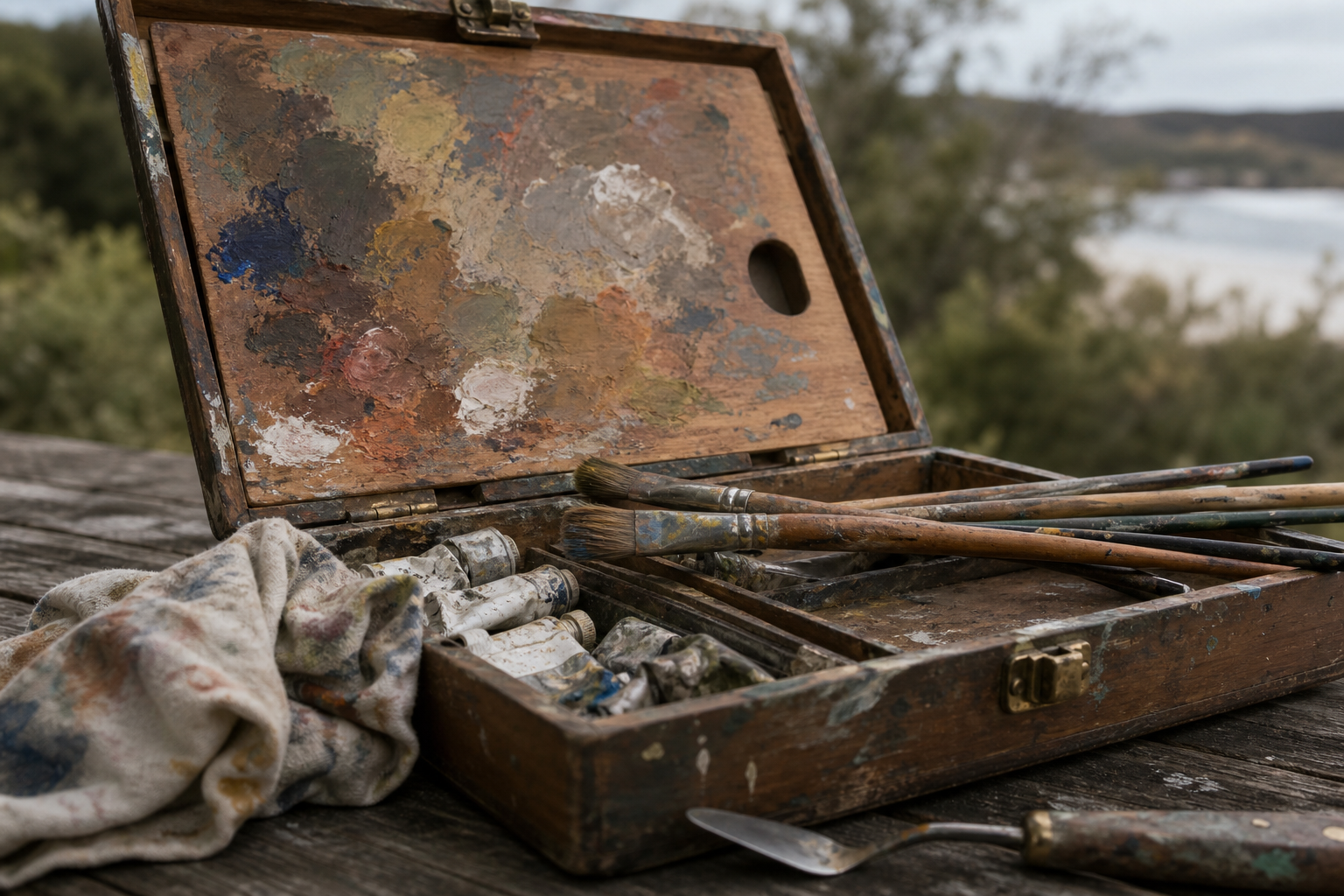
Traditional Wooden Pochade Box (Lap or Table Use)
The classic format: a wooden box with a hinged lid that props up as a small easel, a palette inside, and a storage cavity below. It works on a café table, a park bench, a car bonnet, or your lap. Many models also include a tripod adapter thread on the base, so you can mount them on a camera tripod when you want the option of working at standing height.
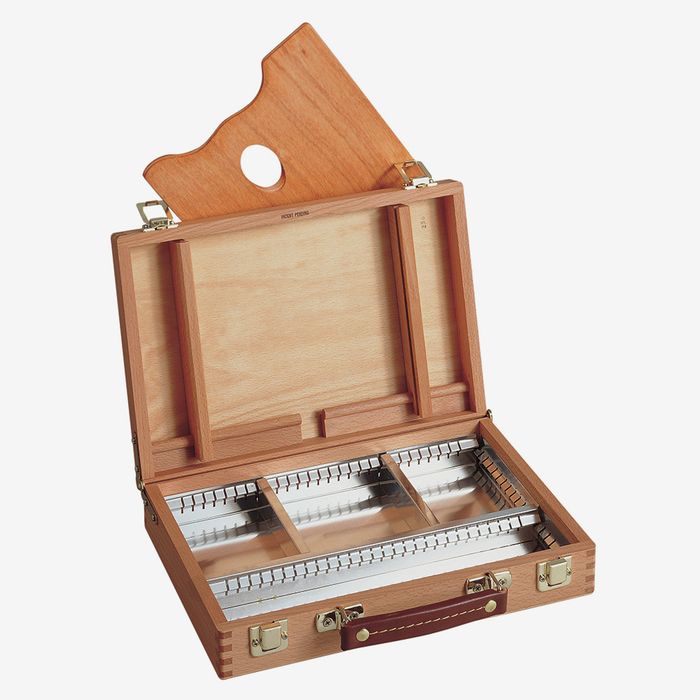
This is a robust, repairable, versatile format that has been used by field painters for generations. The Mabef Artist Box range is a well-regarded example, well finished, solid, and available from Jackson's in the UK.
Jackson's
Mabef : Artist Box : 8 x 12in
Each Mabef Artist Box Is Made In Italy From Oiled, Solid Beech Wood. Designed For Professional And Beginner Artists, Mabef Products Have Been A Popular And Reliable Choice For Over 50 Years. This Hinged Wooden Sketch Box Has A Carry Handle, A Palette, And Adjustable Inner Arms Th
Tripod-Mounted Lightweight Pochade
This is where most serious plein air painters have been moving over the past decade or so. These boxes are designed from the outset to mount on a camera tripod. They're typically lighter than traditional wooden boxes, more compact to pack, and give you height adjustability throughout your session. Being able to raise or lower your working height, and tilt the panel to reduce glare, makes a real practical difference on longer painting days.
The New Wave U.GO range is the standout example currently available in the UK through Jackson's. It comes in three sizes to suit different working scales, and the whole system packs down tidily for travel.
New Wave U.GO Pochade Boxes — available from Jackson's
New Wave : U.GO : Plein Air : Anywhere : Pochade Box : 6x8in (Apx.15x20cm)
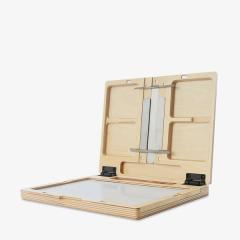
New Wave : U.GO : Plein Air : Anywhere : Pochade Box : 8.4x11.25in (Apx.21x29cm)
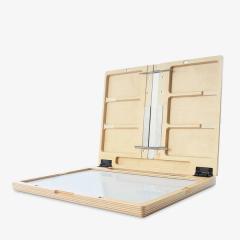
New Wave : U.GO : Plein Air : Anywhere : Pochade Box : 11x14.5in (Apx.28x37cm)
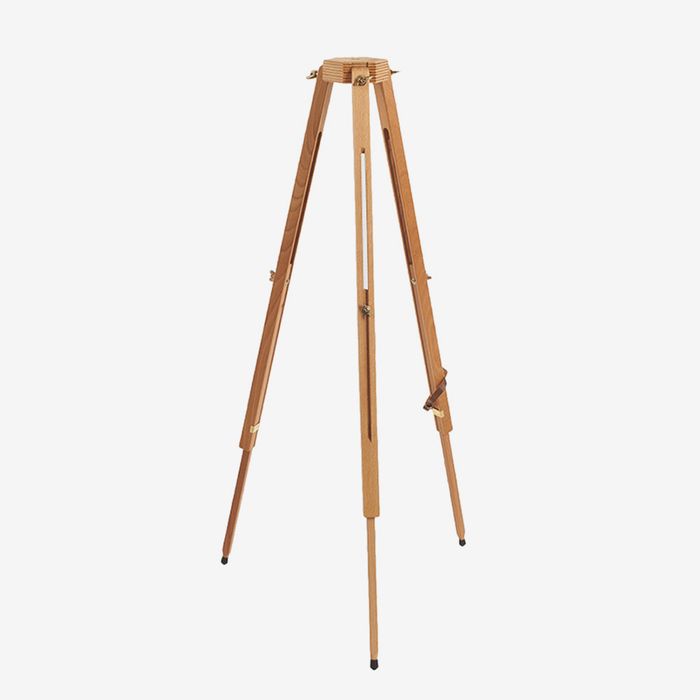
One important note: a tripod-mounted pochade is only as stable as the tripod beneath it. A cheap, lightweight travel tripod will flex and bounce in any meaningful wind. Budget for a solid tripod, or at least a good ball-head mount. The Mabef MA30 is designed specifically for pochade box use and is worth considering as part of your total system cost.
Jackson's
Mabef : MA30 Tripod for Pochade Box
Each Mabef Easel Is Made In Italy From Good Quality Beech Wood. Amongst Professional And Amateur Artists, Mabef Easels Have Been The Popular Choice For Over 50 Years. The Mabef M104 And M105 Pochade Boxes Can Either Be Mounted On A Standard Camera Tripod Or On This Elegant Foldin
Budget and Entry-Level Boxes
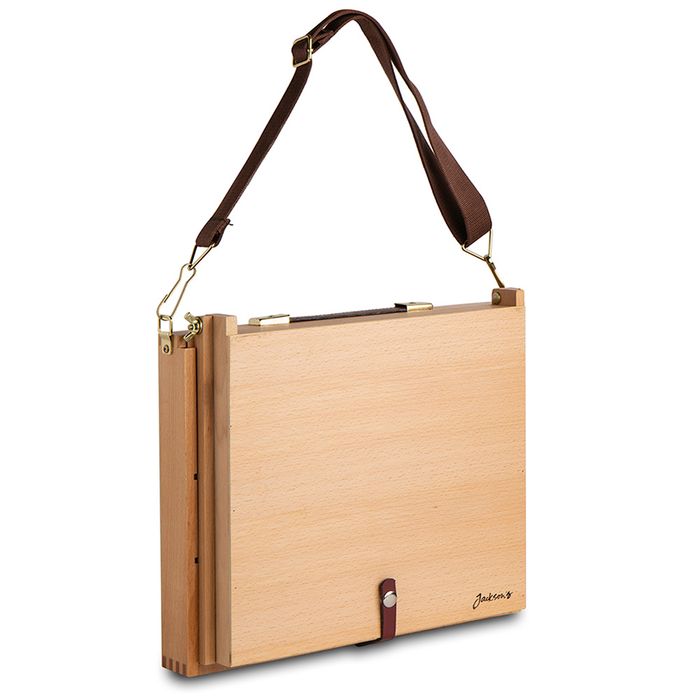
If you're new to plein air painting and not yet sure what you like, there's a strong case for starting at the lower end of the price range. A basic wooden pochade box from around £48, such as the Jackson's own Pochade Painting Box, will teach you a great deal about how you want to work outdoors before you commit to a more expensive system. The format is perfectly capable; it's the fit and finish, rather than the fundamental function, that improves at higher price points.
Jackson's
Jackson's : Pochade Painting Box
This Pochade Painting Box Is Perfect For Setting Up A Workplace In The Home Or Painting Plein Air. Its Lid Folds Out To Provide An Easel With Handy Slots For Storing Two Wet Boards After Working. This Easel Can Be Secured At Your Desired Angle Using The Built-in Screws And Butter
When Does a French Easel Make Sense?
It would be easy to write the French easel off entirely for UK use, but that would be unfair. There are real scenarios where it's the more practical choice.
If you regularly drive to your painting locations and work at 16×20 inches or larger, the weight of a French easel stops being a problem and its size advantage becomes genuinely useful. The adjustable mast handles canvases that simply won't fit in a pochade box, and the large drawer gives you room to carry a full colour range, mediums, and additional materials without creative packing.
French easels also suit painters who want a single piece of kit that works both indoors and out. If you're running a studio session one day and painting on a clifftop the next, one easel that does both has obvious appeal.
The Jullian range is the most respected French easel brand available in the UK and the benchmark for this category.
French Easels — Jullian range at Jackson's
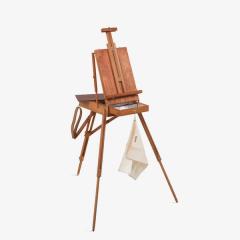
Jullian : Full Premium French Easel : Beechwood : With Carrying Bag
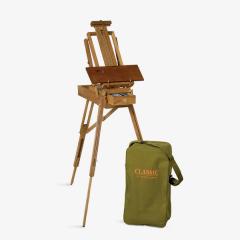
Jullian : Half Classic French Easel : Beechwood : With Carrying Bag
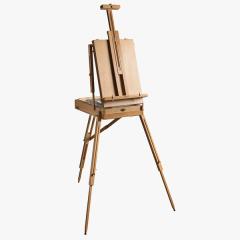
Jackson's : French Style Box Easel
French easel tip for windy days
Hang a weighted bag from the easel's central hook to stabilise it in coastal or upland conditions. A basic canvas bag with a few stones works fine.
Which Should You Choose? A Simple Decision Guide
Here's the practical answer, applied to four common situations. These aren't hedged "it depends" non-answers; they're genuine recommendations based on how UK painters actually work.
You travel by train, bus, or on foot
Favour a tripod-mounted lightweight pochade. Weight and packability are the only things that matter here. A mid-size pochade box and a compact tripod fit in a standard rucksack alongside a flask and waterproofs. A French easel does not. For anyone heading out to the Peak District, the Norfolk coast, or anywhere else accessible by public transport, this is the clear choice.
You mostly drive to locations
Both formats are genuinely viable. If you regularly paint larger than 12×16 inches, a French easel or a larger wooden pochade on a sturdy tripod both make sense. If you paint smaller, a tripod-mounted pochade is still likely to be more convenient, even from a car boot. It sets up faster, it's less affected by uneven ground, and it gives you more flexibility about where you actually stand.
You're a beginner trying plein air for the first time
Start with a budget wooden pochade box. Spending £250 or more on a system before you know how you like to work outdoors is unnecessary. A basic box on a table or in your lap will tell you more about your preferences than any amount of research. Buy cheap, go out often, then invest once you know what you need.
You paint large and want maximum stability
A French easel or a substantial pochade like the Mabef M105 on a solid tripod is the right direction. The M105 is a well-made, larger-format wooden pochade that bridges the gap between compact travel box and something more serious. Beyond 12×16 inches, a French easel's mast and footprint start to justify its weight.
Jackson's
Mabef : M105 Pochade Box 12 1/2x16 Inch
Each Mabef Box Is Made In Italy From Good Quality Beech Wood. Amongst Professional And Amateur Artists Mabef Products Have Been The Popular Choice For Over 50 Years. This Hinged Wooden Pochade Box Has A Carry Handle, A Palette, Two Brass Latches And A Pair Of Wing Nut Clips That
Budget Guide: What to Expect to Spend
Prices below are in GBP and reflect the UK market as of 2025. If you're opting for a tripod-mounted system, remember that the tripod is part of the total cost. Factor in at least £67 for the Mabef MA30, or use a camera tripod you already own if it's sufficiently solid.
Typical price ranges for UK artists (2025)
- Budget pochade box
- From ~£48
- Mid-range wooden pochade
- £120–£210
- Premium tripod pochade
- £169–£296
- Budget French easel
- From ~£123
- Premium French easel
- £230–£390
Basic wooden box, table or lap use
Mabef boxes, better finish and fit
New Wave U.GO range, Richeson Sienna
Jackson's own French Style Box Easel
Jullian half and full models
The pricing tiers here reflect genuine differences in build quality and thoughtfulness of design, not just brand prestige. A mid-range Mabef box will outlast a budget entry-level box with proper care. The New Wave U.GO range is priced where it is because the engineering is considered and the weight is genuinely lower, not because of marketing. Whether that extra investment is worth it depends entirely on how much you'll use the system.
Our Recommendation
For most UK plein air painters, a tripod-mounted lightweight pochade box is the right choice. It's faster to set up, easier to carry, versatile across different locations, and suited to the panel sizes most artists actually work at outdoors. The New Wave U.GO range is the current best-in-class for this format and is available from Jackson's in the UK. If you want something more traditional in feel and a slightly larger working area, the Mabef M105 is an excellent step up.
The French easel is not a bad piece of kit. For painters who drive to locations regularly, work at 16×20 inches or above, and want a single system that moves between studio and field, it's a genuinely useful choice. But for the majority of UK painters, especially those relying on trains, buses, or their own legs to reach a location, the French easel is likely to spend more time in the boot than in use.
Start with what suits how you actually get to places. Work at the size you actually paint. And if you're not sure yet, start at the budget end and let a few sessions in the field answer the questions that no amount of research quite can.
FAQ
Frequently Asked Questions
What is a pochade box?
A pochade box is a compact wooden painting box with a hinged lid that props up as a small easel, an integrated palette and storage for paints and brushes. Many models mount on a tripod for standing work.
When should I choose a French easel over a pochade box?
Choose a French easel if you drive to locations, regularly work at 16×20 inches or larger, or want one easel that also serves in a studio. It gives more stability and storage but is heavier to carry.
Are tripod-mounted pochade boxes stable outdoors?
Yes, if you use a solid tripod and quality head. A cheap travel tripod will flex in wind. Budget for a decent tripod to get reliable stability on exposed sites.
What panel sizes do pochade boxes support?
Most pochade boxes work up to about 12×16 inches. Larger models like the Mabef M105 extend that range, but for consistently larger canvases a French easel is better.
What should a beginner buy for plein air painting?
Start with a budget wooden pochade box on a table or in your lap. It costs around £48 and lets you learn what you actually prefer before investing in a pricier system.
Author

PleinAirPainting Editorial Team
PleinAirPainting.co.uk helps artists paint outdoors with confidence through UK-focused guides, equipment advice, resources and plein air inspiration.