The Best Plein Air Painting Kits for Beginners in the UK
A UK-focused primer on starting outdoor oil painting. Learn whether to pick a pochade box or field easel, choose oils or water-mixable oils, build a limited palette, and pack smart for your first sessions.

Key takeaways
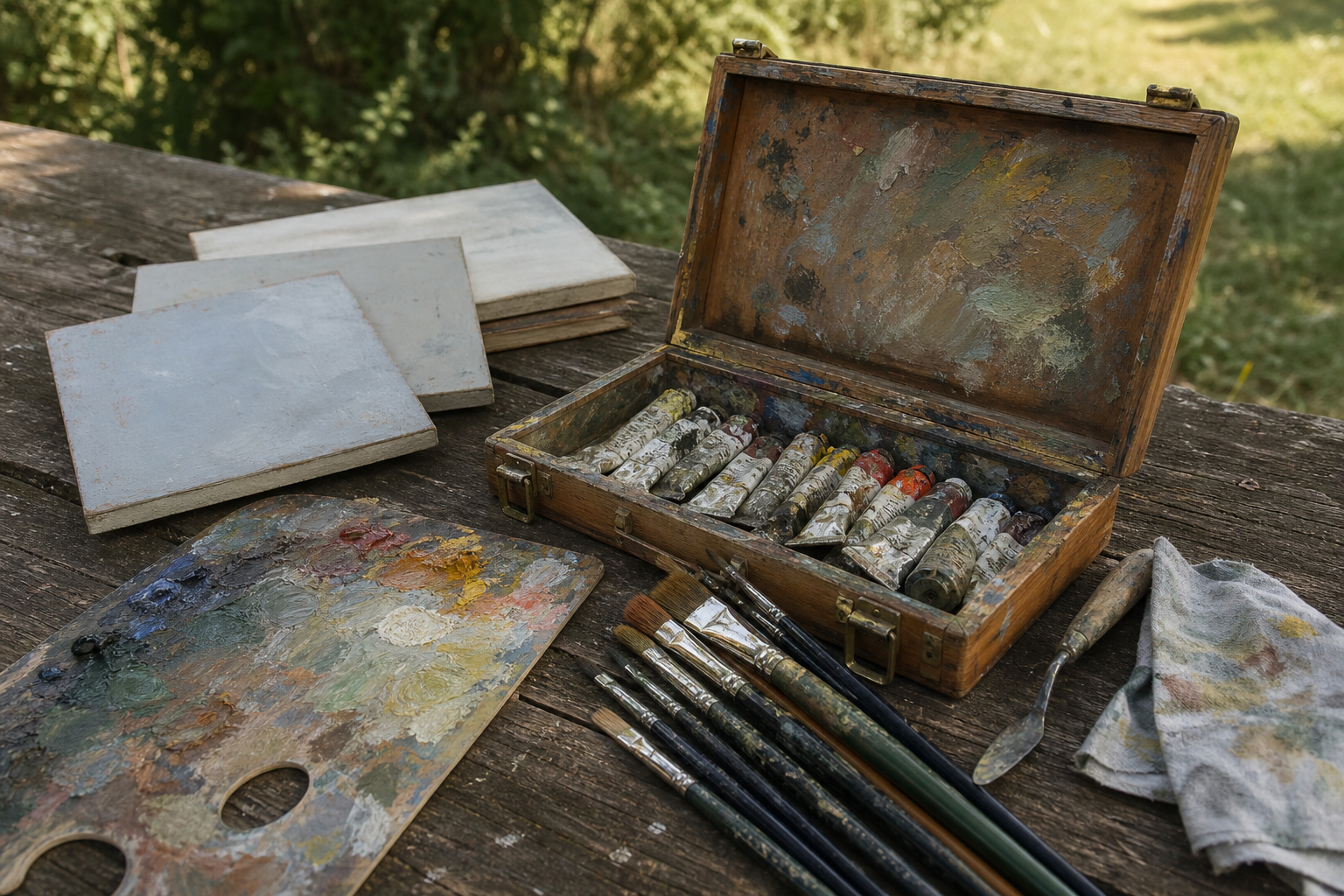
- • Most beginners do best with a compact pochade box mounted on a sturdy tripod rather than a full field easel.
- • Consider water-mixable oils if you travel by bus or train or want to avoid solvents and fumes.
- • Start with a limited split-primary palette of six to eight colours and artist-grade paint if your budget allows.
- • Use rigid panels, preferably 8×10 or 9×12, and bring two to three per session.
- • Begin with a compact pochade starter kit tier and add gear after several outdoor sessions once you know your preferences.
Choosing your first outdoor painting kit can feel genuinely overwhelming. There are pochade boxes, field easels, tripods, solvents, panels, and about fifty brush shapes to consider, and most of the advice online is written for American artists shopping at American retailers. This article cuts through that. It's focused on oil painting outdoors, written for UK buyers, and organised around one central question: what do you actually need to get started, and what should you spend?
Whether you're working with a tight budget or ready to invest in something that'll last, you'll find a concrete kit recommendation here. And if you're not sure what a pochade box is, or whether you need solvents, that's covered too.
What Goes Into a Plein Air Painting Kit?
Every plein air kit, at any budget, comes down to five categories: your painting support (the easel or pochade box that holds your work), your panels (the surfaces you paint on), your paints, your brushes and tools, and your carrying system.
The choices in each category feed into the others. If you go with a pochade box, you'll need a separate tripod. If you choose traditional oils, you'll need to think about solvent storage and transport. If you're travelling by bus or train, the solvent question becomes even more pressing. Understanding how these decisions connect makes the whole kit easier to plan.
One rule holds across every budget: start with less, not more.
Start with less, not more
Most beginners pack too much on their first outing. A small pochade box, six colours, four brushes, and two panels is enough to paint well outdoors. Add to your kit after you've been out a few times, not before.
Pochade Box or Field Easel — Which Should a Beginner Choose?
This is the most important practical decision you'll make when putting together your first plein air painting kit. Get it right and everything else falls into place. Get it wrong and you'll either be wrestling with a wobbly easel in a coastal breeze or carrying a box that doesn't suit how you travel.
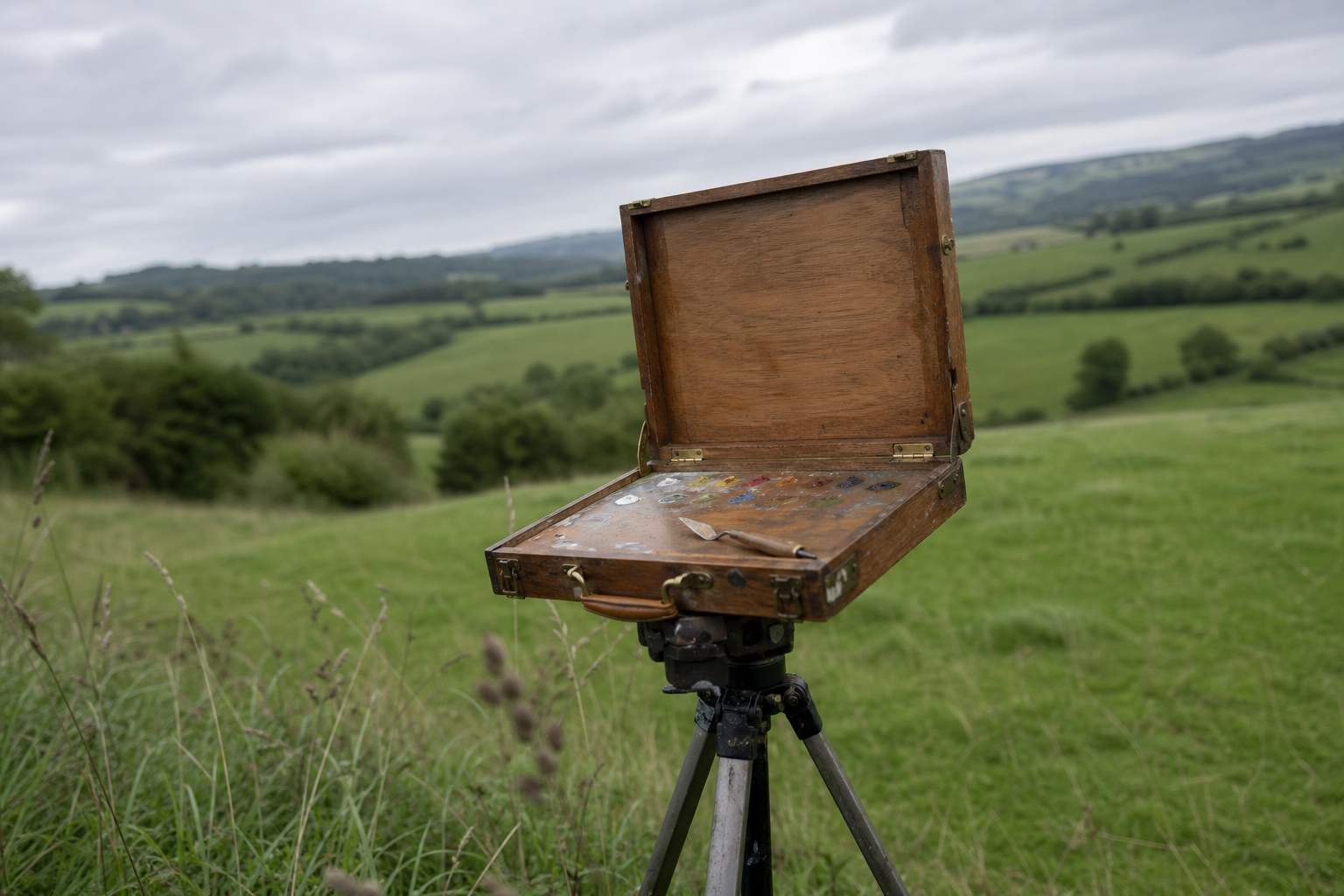
Wooden Pochade Box
A pochade box is a compact, self-contained painting station. It holds your palette, stores your panels, and mounts onto a tripod. There's no assembly fuss; you set up the tripod, clip on the box, and you're ready to paint in a few minutes.
For most beginners, this is the right choice. It's stable in wind (because the weight sits low on the tripod), it's compact enough for a rucksack, and the integrated palette keeps everything in one place. Wooden pochade boxes are the most affordable entry point and they work well. One thing to be aware of in the UK specifically: wood can swell if it gets repeatedly soaked. After a damp session, leave the box open somewhere dry rather than packing it away wet.
Field Easel
A field easel has its tripod legs built in and typically handles larger canvases. It's a more familiar shape if you've painted in a studio, and a good option if you're working from the boot of a car rather than walking to your painting spot.
The trade-offs are real, though. Field easels are heavier and bulkier, slower to set up, and significantly more vulnerable to wind unless you add ballast. In the UK, where you can go from calm sunshine to a stiff sea breeze inside twenty minutes, that instability matters.
A Note on Tripods
If you go the pochade route, you'll need a tripod to mount it on. Look for one with a ball head and quick-release plate, which makes adjusting your painting angle fast and easy. Aim for a weight somewhere in the 1.3 to 1.7 kg range: light enough to carry without complaint, solid enough not to flex in the wind. Make sure it extends to your standing eye height without relying on the central column, which reduces stability.
| Option | Typical UK price | Best for | Watch out for |
|---|---|---|---|
| Wooden pochade box | ~£80–£150 (box only) | Most beginners; compact setups | Needs a separate tripod; can swell in damp conditions |
| Aluminium pochade box | ~£170–£260 | Walkers and hikers; long-term use | Higher cost; smaller internal storage |
| Aluminium field easel | ~£43–£70 | Car-based painters; larger canvases | Heavier; can be unstable in wind |
| French wooden field easel | ~£160–£235 | Studio crossover; larger panels | Bulkiest option; slowest to set up |
Pochade boxes to consider
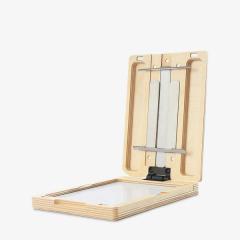
New Wave : U.GO : Plein Air : Anywhere : Pochade Box : 6x8in (Apx.15x20cm)
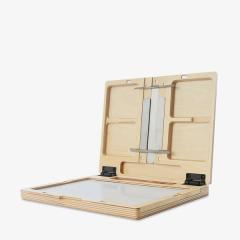
New Wave : U.GO : Plein Air : Anywhere : Pochade Box : 8.4x11.25in (Apx.21x29cm)
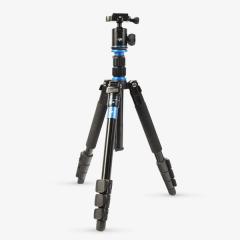
New Wave : U.GO : Plein Air : Tripod LCS1
Budget field easel options
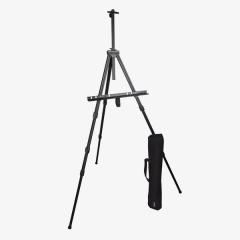
Studio Essentials : Aluminium Non Tilting Sketching Field Easel
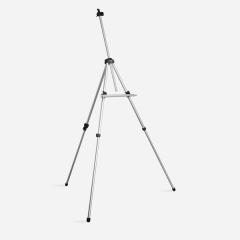
Holbein : Aluminium Easel : Number 72
Choosing Your Paints — Oils or Water-Mixable Oils?
For a UK beginner, this isn't a throwaway question. It has real implications for how you travel, where you can paint, and how comfortable your sessions feel.
Traditional Oils
Traditional oils have a long open time, a satisfying feel on the brush, and a huge range of brands and colours to choose from. The handling characteristics are what most painting tutorials and instructors assume, which can make following along with reference material easier.
The catch is solvents. To thin paint and clean brushes in the field, you'll need odourless mineral spirits or a similar medium. Standard white spirit is not a good substitute outdoors: the fumes are unpleasant, particularly in still air. Even odourless mineral spirits require sealed, leak-proof containers and thoughtful disposal. You cannot carry them openly on public transport, and in a small flat or shared space they can cause real discomfort.
For your palette, a limited split-primary approach works well outdoors. A warm and cool version of each primary (a lemon yellow and a cadmium yellow, a cadmium red and an alizarin crimson, an ultramarine blue and a phthalo blue), plus one or two earth tones such as yellow ochre or burnt sienna, and titanium white. This keeps decisions manageable and teaches colour mixing far more effectively than a large, preloaded set.
Artist-grade paint is worth the extra cost over student grade if your budget stretches to it. The pigment load is noticeably higher, which means colours mix more cleanly and go further on the panel.
Water-Mixable Oils
Water-mixable oils are a completely valid choice for beginners, and for many UK artists they're actually the smarter starting point. They handle almost identically to traditional oils, have a comparable open time, and clean up with water rather than solvent.
If you're travelling by bus or train, painting in a shared space, or simply prefer not to deal with solvent logistics, water-mixable oils remove a layer of complexity without compromising much on the painting experience. The range of colours and brands is narrower than traditional oils, but it's improving steadily and more than adequate for a beginner palette.
One note on disposal: paint-contaminated water shouldn't go straight down the drain. Let the pigment solids settle to the bottom of the container, pour off the clear water, and dispose of the settled residue in household waste. It takes no extra time once you've made a habit of it.
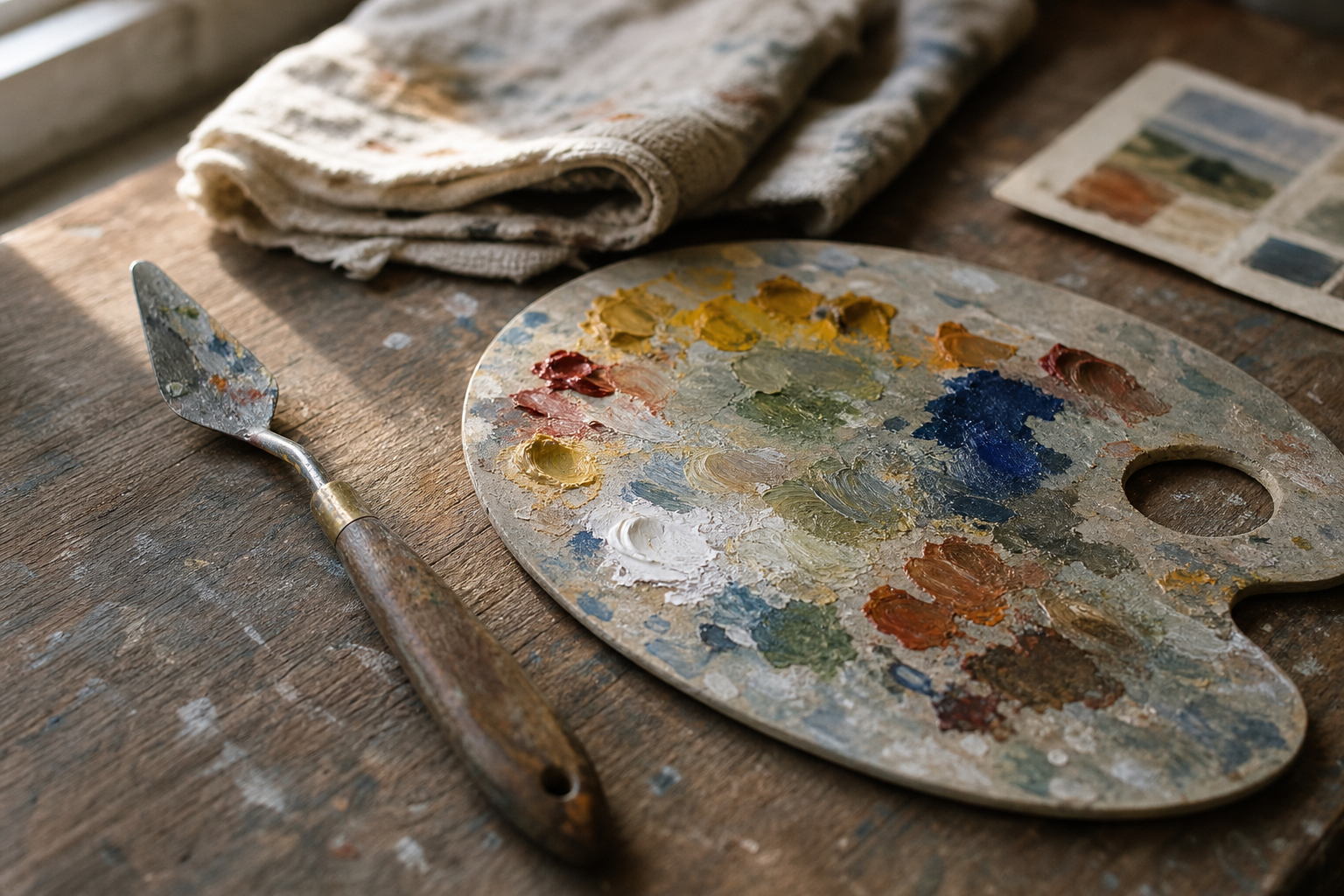
Traditional oils vs. water-mixable oils for beginners
Pros
- + Traditional oils: wider brand and colour choice
- + Traditional oils: classic feel and handling behaviour
- + Water-mixable: no solvents needed; easier transport
- + Water-mixable: simpler cleanup in the field and at home
Cons
- - Traditional oils: solvents raise fume, disposal and transport issues
- - Traditional oils: unsuitable for public transport without careful containment
- - Water-mixable: slightly different feel; fewer tutorial resources assume them
- - Water-mixable: smaller range of brands and colours (improving steadily)
Oil paint sets worth considering
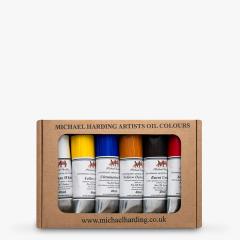
Michael Harding : Oil Paint : Introductory Set : 6x40ml
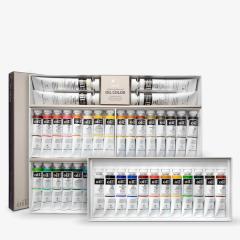
ShinHan : Oil Paint Sets
Panels and Surfaces — What to Paint On
Rigid panels are the right choice for outdoor oil painting. Stretched canvas warps when it gets damp, is vulnerable to knocks in transit, and can flex underfoot of the brush in a way that's distracting in the field. A firm panel gives you consistent resistance, travels safely in a bag or pochade box, and doesn't need any special handling.
The two most practical beginner sizes are 8×10" and 9×12". They fit the majority of pochade boxes on the market, they're light enough not to add burden to your kit, and they're big enough to make real compositional decisions without feeling cramped. Bring two or three per session: one to use as your main painting, a spare in case the light shifts dramatically, and a third if you want to run a quick colour study before committing to the main piece.
Entry-Level Canvas Boards
Canvas boards are affordable, widely stocked at Jackson's Art, Cass Art, and Ken Bromley, and perfectly adequate for learning. There's no need to overthink the surface when you're building the habit of painting outdoors. Start here.
Mid-Range and Premium Panels
Once you've been out a few times and know you enjoy plein air work, it's worth trying panels with a bit more texture and tooth: primed MDF, canvas-textured boards, and linen panels all reward more considered mark-making. They're more expensive, so there's no rush to move up before you're ready.
Panels and surfaces for outdoor oil painting
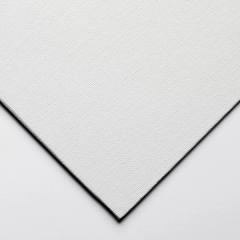
Daler-Rowney : Simply : Canvas Panel
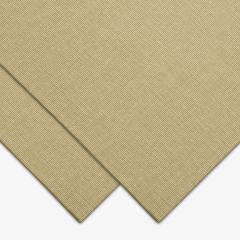
Clairefontaine : Canvas Board : Clear Gesso
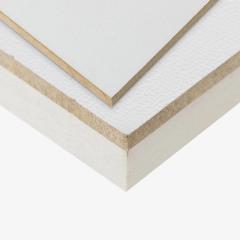
Ampersand : Canvas Texture Primed Artist Panels
Brushes, Knives, and the Small Stuff
Which Brushes to Buy
Beginners consistently over-buy brushes and then use two of them. A small set of well-chosen brushes is more useful than a large case of options you'll never reach for.
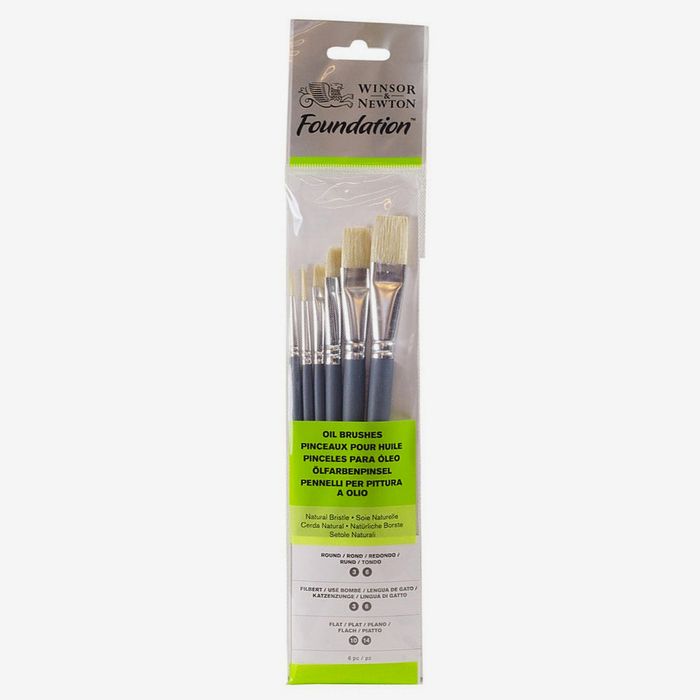
A practical starting set of four or five brushes covers almost everything you'll need outdoors: a size 6 and a size 10 flat or filbert for mid-range marks, a large flat (size 12 or a 1-inch brush) for blocking in big shapes and sky, and a small round (size 2 to 4) for the occasional detail you can't resist. Synthetic flats and filberts work well with both traditional and water-mixable oils, hold their shape reliably, and are easy to clean.
Jackson's
Winsor & Newton : Foundation Oil Brush Sets
Winsor & Newton Foundation Oil Brush Sets Are Introductory Sets Of Good Quality Brushes For Students, Hobbyists, And Beginners Working In Oil Colour. Made From White Synthetic Filaments, They Are Designed For Oil Painting And Are Available In A Range Of Pack Options With Differen
Don't Forget These
The small things make a real difference outdoors. A palette knife is essential for mixing colours cleanly without grinding them into your brush bristles. A generous handful of rags or half a roll of kitchen paper takes up almost no space and handles every spill, smear, and brush wipe the session throws at you. Bulldog clips and a few spare pieces of tape keep panels secure in UK wind. A small viewfinder or value finder helps you frame compositions quickly, and a pencil with a couple of thumbnail sketch pages in a small sketchbook lets you work out the composition before committing to paint.
Bring more rags than you think you need
Wind, drizzle, and changing light make outdoor sessions messier than studio work. A good handful of rags or half a kitchen roll takes up almost no space and saves a lot of frustration.
The Four Beginner Plein Air Painting Kit Tiers — What to Buy at Every Budget
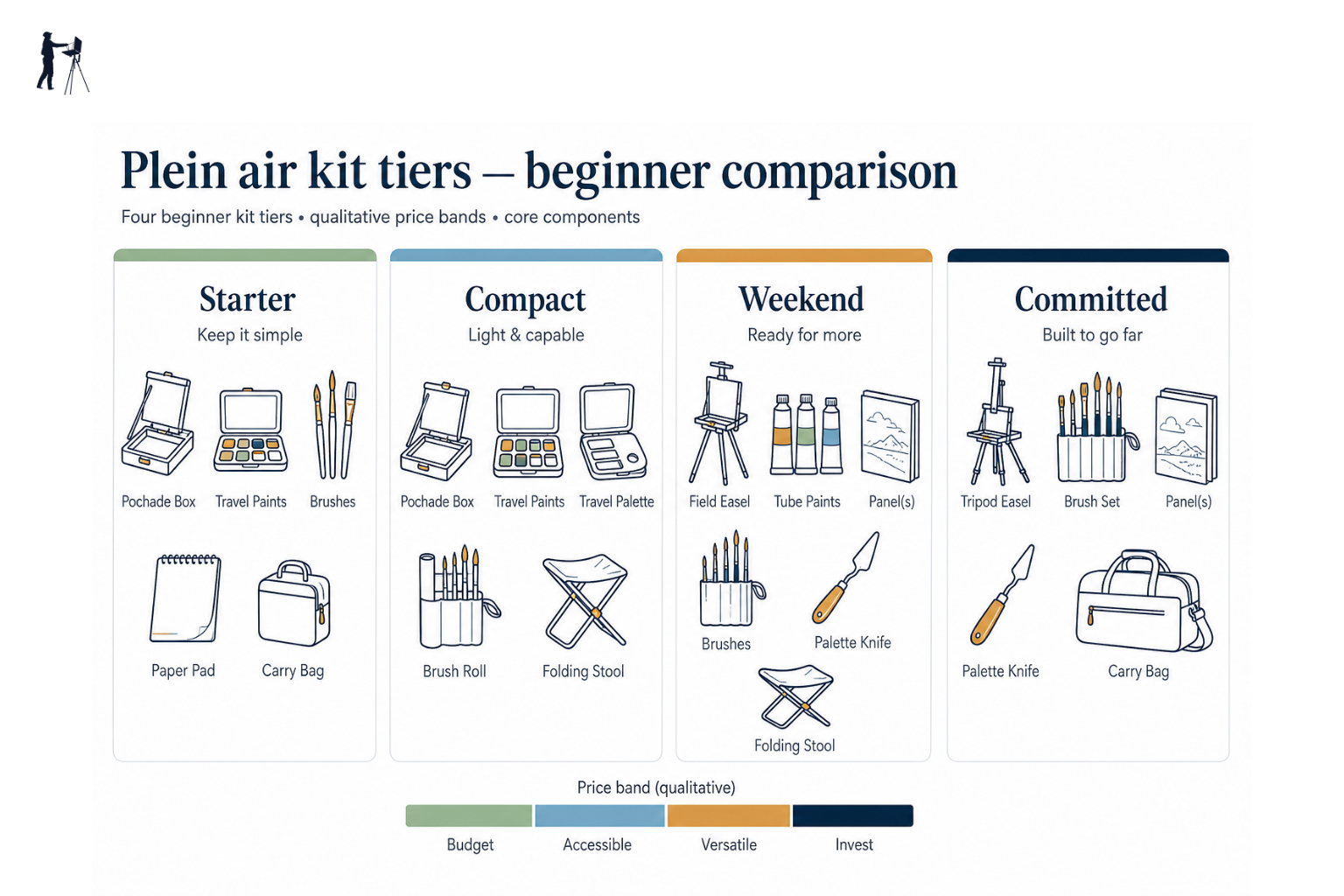
Tier 1 — The Try-It Kit (approx. £90–£130)
This is a budget oil painting starter kit built around a field easel. It uses the simplest possible equipment: a budget aluminium field easel, a small primed board or simple hand-held palette, a six-colour entry-level oil set with titanium white, three or four synthetic brushes, six to ten canvas boards, a small sealable jar of odourless mineral spirits (or water if you go water-mixable), rags, clips, and your existing rucksack.
Best for curious beginners on a tight budget, or anyone who already owns a basic easel and wants to test whether plein air suits them before spending more.
The trade-offs are real: setup is slower, there's no integrated palette or wet panel storage, and a budget field easel in a stiff UK breeze can be genuinely frustrating. But it's a legitimate way in, and most of what you buy here is reusable in the studio if plein air doesn't click.
Tier 1 — The Try-It Kit
Pros
- + Lowest cost; no major commitment
- + Components reusable in the studio
- + Easy to source from any UK art retailer
Cons
- - Slower setup; less wind-stable than a pochade
- - No built-in palette or wet panel storage
- - More unwieldy for walking or public transport
Tier 2 — The Compact Pochade Starter (approx. £220–£320)
This is the tier we'd point most beginners towards. It's a compact pochade setup: a small wooden or aluminium pochade box (the New Wave U.GO 8.4×11.25" is a well-regarded choice at this size), a mid-range tripod with ball head and quick-release plate, eight to ten artist-grade oil colours with titanium white, four or five brushes, a palette knife, ten canvas or gessoed panels, a sealable brush washer, and a rucksack with tripod straps.
It costs more upfront than Tier 1, but it's a system you genuinely won't outgrow. The pochade box is fast to set up, self-contained, and stable in wind. The quality of the materials makes learning easier because you're not fighting the gear.
Best for beginners who are serious about learning plein air and want a setup that handles UK conditions without constant compromise.
Tier 2 — The Compact Pochade Starter
Pros
- + Fast to set up; everything self-contained
- + Stable and compact; ideal for UK parks, coasts, urban settings
- + High enough quality to last several years
Cons
- - Higher upfront cost than a basic field easel
- - Wooden boxes require drying out after wet UK sessions
Tier 3 — The Solvent-Free Water-Mixable Kit (approx. £200–£280)
The core structure here is the same as Tier 2, either a pochade box or a budget field easel, but built entirely around water-mixable oils. Swap the traditional oil set for a water-mixable equivalent, add a compatible linseed-type medium (most WMO brands make their own), replace the solvent jar with two small water containers (one clean, one for rinsing brushes), and include a small spray bottle to stop the palette skinning over on windy days.
No solvents means no transport concerns, no fume issues in the field, and no disposal complications at the end of the session. This kit is ideal for anyone travelling by public transport, working in a shared flat, or who simply prefers a cleaner, less chemically involved session. The painting experience is genuinely comparable to traditional oils, and it's a completely mainstream choice.
Best for health-conscious beginners, those on public transport, and anyone in a small or shared space.
Tier 4 — The Lightweight Premium Kit (approx. £450–£650)
This tier uses an aluminium pochade box (the New Wave U.GO 11×14.5" is the natural reference point here), a carbon fibre or premium aluminium tripod, a full split-primary palette with earth colours, high-quality synthetic brushes, premium linen or oil-primed panels, and a proper wet panel carrier and plein air backpack.
It's a genuinely excellent long-term setup. But it's worth being direct: this is over-specified for most complete beginners. If you haven't yet been out painting a few times, you don't know enough about your own preferences to justify the cost. Start at Tier 2, go out a dozen times, and revisit this tier once you know what you'd actually use differently.
Best for beginners with existing studio experience who want a long-term system from the start, or those returning to painting after a gap and upgrading from old gear.
Premium kit options
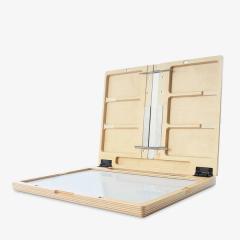
New Wave : U.GO : Plein Air : Anywhere : Pochade Box : 11x14.5in (Apx.28x37cm)
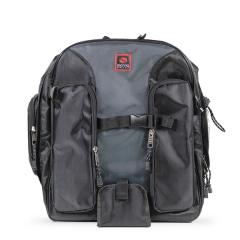
Richeson : Ultimate Plein Air Backpack
Common Beginner Mistakes — and How to Avoid Them
Over-packing. Limit yourself to one bag and a tripod. No more than ten colours on your palette. If you can't carry it comfortably for fifteen minutes, it's too much.
Wind and weather. Always use rigid panels rather than loose paper or canvas. Carry bulldog clips and tape. A small umbrella clamped to the tripod helps with drizzle and direct sun, but it's not a day-one essential. The pochade-and-tripod setup is your best defence against wind because the weight is low and stable.
Changing light. Outdoor light shifts quickly, and beginners often panic and chase it. Start with sessions of 60 to 90 minutes, choose scenes with strong simple shapes, and do a quick thumbnail sketch before you pick up a brush. Commit to the light as it was when you started, not as it is now.
Mess and transport. Use leak-proof containers for solvents or mediums and put them in a secondary zip-lock bag. If you're on public transport regularly, the solvent question is a genuine practical issue: water-mixable oils remove it entirely.
Decision overload on colour. Stick to your limited split-primary palette and resist the urge to add colours until you genuinely understand what you're missing. A crowded palette is a confusion trap outdoors.
Realistic expectations for a first plein air session
- Recommended session length
- 60–90 minutes
- Panels to bring
- 2–3
- Colours in a starter palette
- 6–8
- Budget for a usable first kit
- £90–£320
Shorter sessions help beginners manage changing light
Lets you start fresh if the light shifts
Keep it limited; decision fatigue is real outdoors
Depends on whether you start with a field easel or pochade
A Day-One Shopping Checklist
The essential supplies for plein air oil painting outdoors. This is a real minimum, not a wish list.
Painting Support
- Pochade box (small or medium) plus ball-head tripod, or budget aluminium field easel
- Bulldog clips or panel clips (at least four)
Paint and Colour
- Six to eight oil or water-mixable oil colours: lemon yellow, cadmium yellow, cadmium red, alizarin crimson, ultramarine blue, phthalo blue, yellow ochre or burnt sienna, titanium white
- Odourless mineral spirits in a sealable jar (if using traditional oils), or two water containers (if water-mixable)
- A small medium such as linseed oil or water-mixable linseed
Brushes and Tools
- Size 6 flat or filbert
- Size 10 flat or filbert
- Size 12 flat or 1-inch brush
- Size 2 to 4 round
- Palette knife for mixing
- Rags or a half-roll of kitchen paper
Carrying and Accessories
- Rucksack large enough for the box, panels, and accessories (with tripod straps if possible)
- 6 to 10 canvas boards or primed panels, 8×10" or 9×12"
- Small sketchbook and pencil for thumbnails
- Viewfinder or value finder
- Spare zip-lock bags for solvent containers or messy tools
FAQ
Frequently Asked Questions
Should I choose a pochade box or a field easel as a beginner?
Most beginners should choose a pochade box. It is compact, fast to set up, and more stable in wind when mounted low on a tripod. Choose a field easel if you paint from a car or want to work on larger canvases.
Are water-mixable oils a good choice for painting on public transport?
Yes. Water-mixable oils clean with water, remove solvent and fume issues, and are easier to transport. Remember to let pigment solids settle before disposing of rinse water.
What paints and colours should I start with outdoors?
Use a limited split-primary palette: a warm and cool yellow, warm and cool red, warm and cool blue, plus an earth like yellow ochre or burnt sienna and titanium white. Six to eight colours keeps mixing manageable.
What panel sizes and surfaces work best for plein air beginners?
Rigid panels are best. Start with 8×10 or 9×12 inches. They travel well, resist warping, and two to three panels per session is a sensible amount.
What are the absolute essentials to pack for my first session?
Bring a pochade or field easel plus tripod, 6–8 paints, four or five brushes (including a large flat and a small round), palette knife, rags, clips, 2–3 panels, and a sealable solvent jar or two water containers.
Author

PleinAirPainting Editorial Team
PleinAirPainting.co.uk helps artists paint outdoors with confidence through UK-focused guides, equipment advice, resources and plein air inspiration.