Best Oil Paints for Plein Air: A UK Guide from Beginner to Professional
A UK-focused guide to choosing oil paints for plein air, from traditional and alkyd to water-mixable options, plus grade advice, drying tips, and a compact outdoor kit checklist.

Key takeaways
- • Oils are ideal outdoors because slow drying helps blending, while alkyds offer overnight touch-dry for easy transport.
- • Three main options: traditional oils for range and archival quality, alkyd for fast drying, and water-mixable to avoid solvents.
- • Start with student grade or water-mixable oils if you are a beginner; upgrade to artist grade colour by colour.
- • Top UK recommendations: Michael Harding Plein Air Set, Gamblin Introductory Set, Winsor & Newton Griffin Alkyd, Lukas Berlin water-mixable.
- • Pack a limited palette, hog bristle brushes, primed panels, a pochade box, two screw-top jars for solvents, and extra rags for outdoor work.
You're standing in front of a field, the light is doing something extraordinary, and you're wondering whether you've got the right paint in your bag. It's a familiar feeling. Walk into any art shop or scroll through an online supplier and the sheer number of oil paints on offer can stop you in your tracks before you've even opened a tube. This guide cuts through that. Whether you're picking up oils for the first time or moving up to artist-grade materials, here are clear, practical recommendations for UK painters at every level — covering the four main types of oil paint, what they actually mean for outdoor work, and which specific products are worth your money.
Why Oil Paints Work So Well Outdoors
Oils have a reputation as a studio medium, but experienced plein air painters often reach for them precisely because of their qualities outdoors. The slow drying time that seems like a disadvantage is actually useful: you can blend sky tones, adjust shadows, and rework passages while the paint stays workable. The luminosity of a well-mixed oil is hard to match in any other medium, and that quality reads particularly well in landscape work where depth and atmosphere matter.
Modern formulations have also answered many of the old objections. Fast-drying alkyds can be touch-dry overnight. Water-mixable oils remove the solvent question entirely. There has never been a better time to take oils outside.
New to oils outdoors?
If you've only ever used oils in a studio, the main adjustment outdoors is managing drying and transport. Thin, lean layers and a fast-drying white will help enormously in the UK's cool, damp conditions.
The Four Types of Oil Paint (and Which Suits Plein Air)
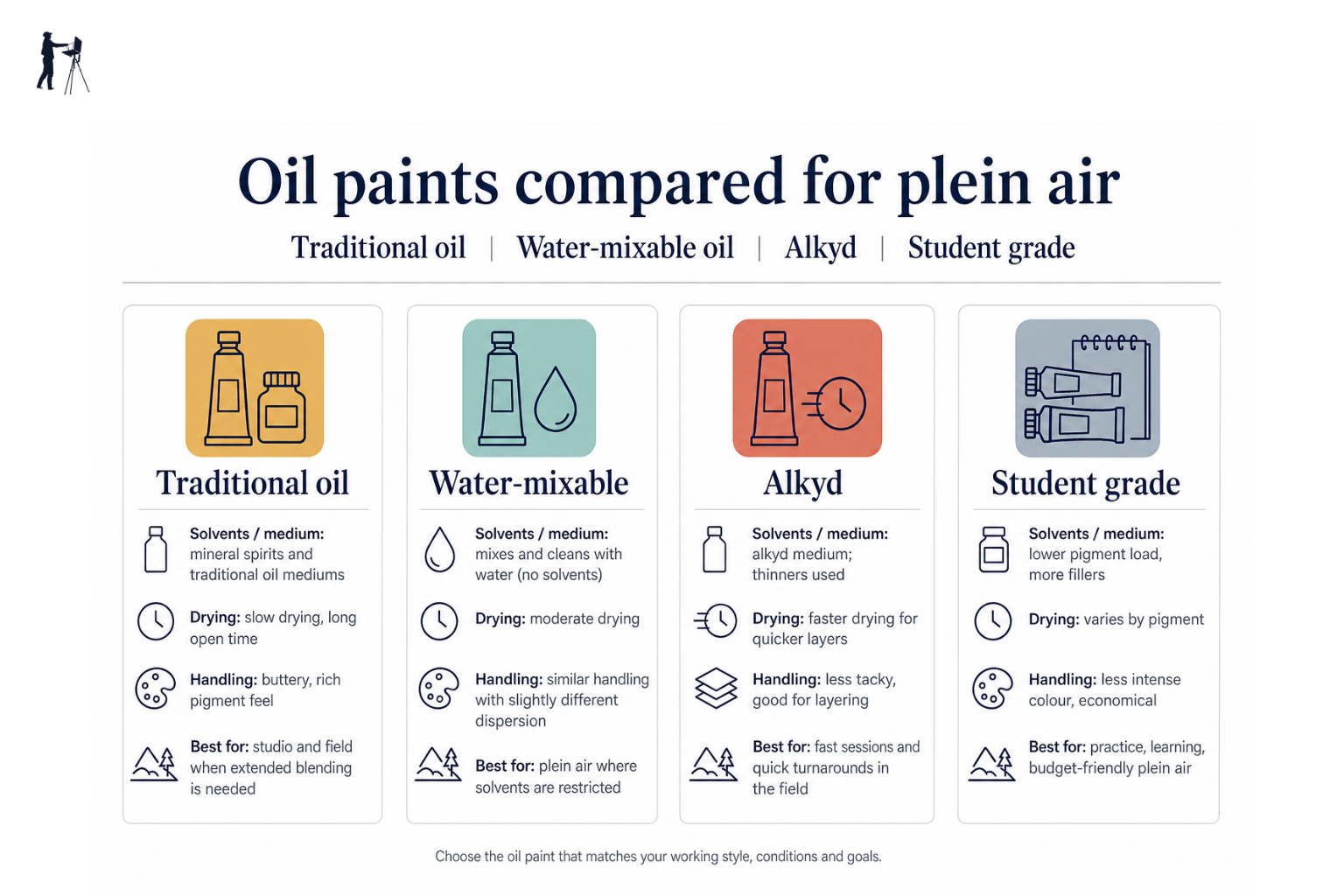
Understanding what you're buying matters more with oil paints than with almost any other medium. The four main categories behave differently, suit different situations, and have different practical implications for outdoor work.
Traditional Solvent-Based Oils
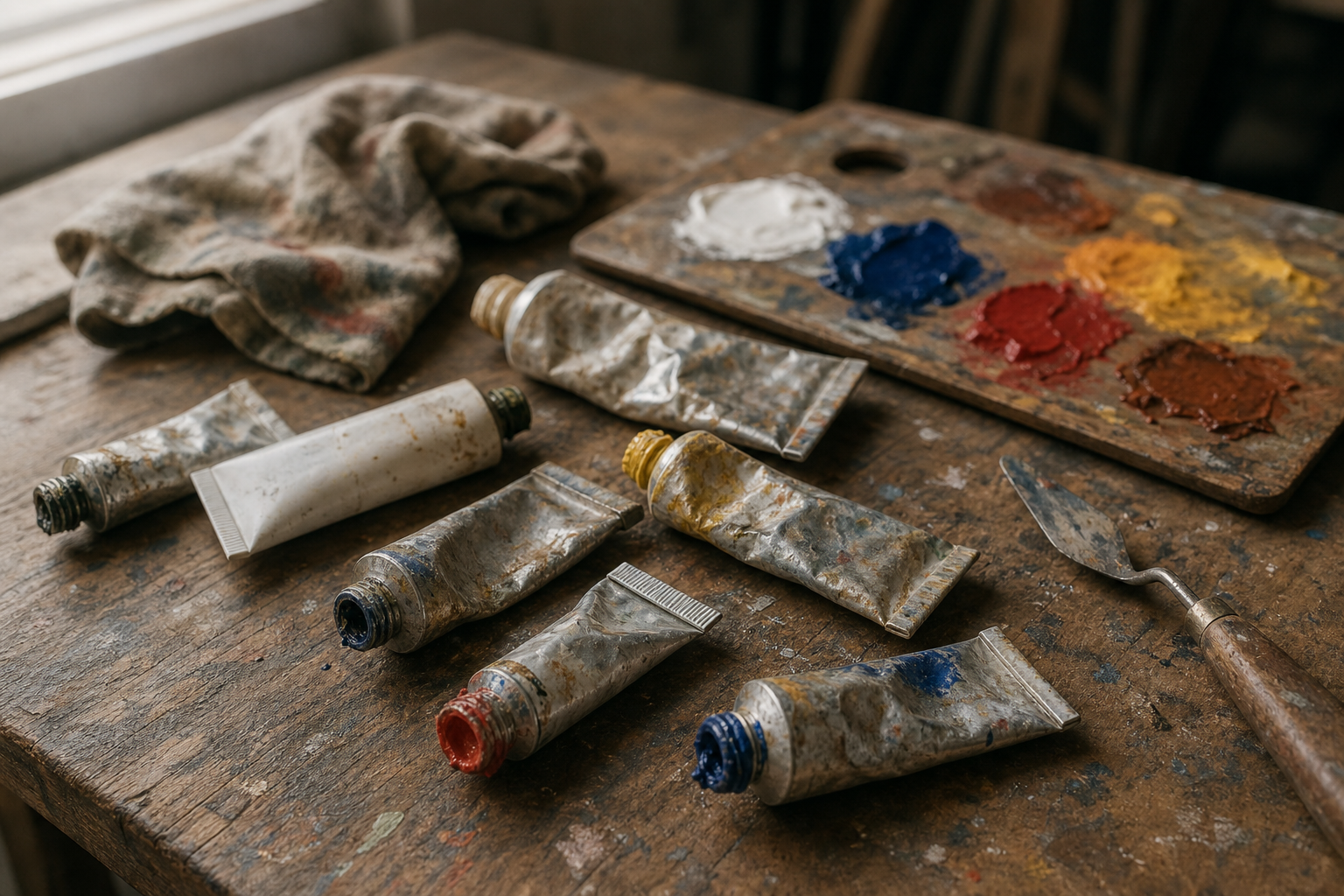
Traditional oils are pigment suspended in a drying oil: linseed, poppy, safflower, or walnut are the most common. They have the broadest colour range, the longest proven archival record, and the widest choice of brands and price points. They are what most people picture when they think of oil painting.
The practical considerations for outdoor work are real. You need a solvent for brush cleaning and for thinning paint, which means carrying containers, managing disposal, and working with adequate ventilation. In cool, damp UK conditions, drying times are slower than the tin suggests; a painting that might be touch-dry in two days in a warm studio could take four or five days in autumn. That affects how you pack up and transport work.
Best for: Painters comfortable with solvent handling, those who want the widest colour range, and artists working from location studies that will be finished back in the studio.
Water-Mixable Oils
Water-mixable oils are chemically modified at the binder level so that brushes clean up with water rather than solvent. In terms of handling, they feel remarkably close to traditional oils: the body, the blending behaviour, the drying time. The difference in practice is smaller than many painters expect.
The advantages for home studios and shared spaces are significant. No turpentine smell, no solvent containers, no fumes to manage. They are a genuinely good option for anyone with ventilation constraints, or for beginners who want to focus on painting rather than solvent handling from day one.
One honest caveat: the long-term ageing behaviour of water-mixable oils is less extensively documented than traditional oils. Keep your layers lean and conservative, work fat over lean as you would with any oil, and this is unlikely to matter in practice for most painters.
Best for: Beginners, home painters, anyone sensitive to fumes or working without good ventilation.
Jackson's
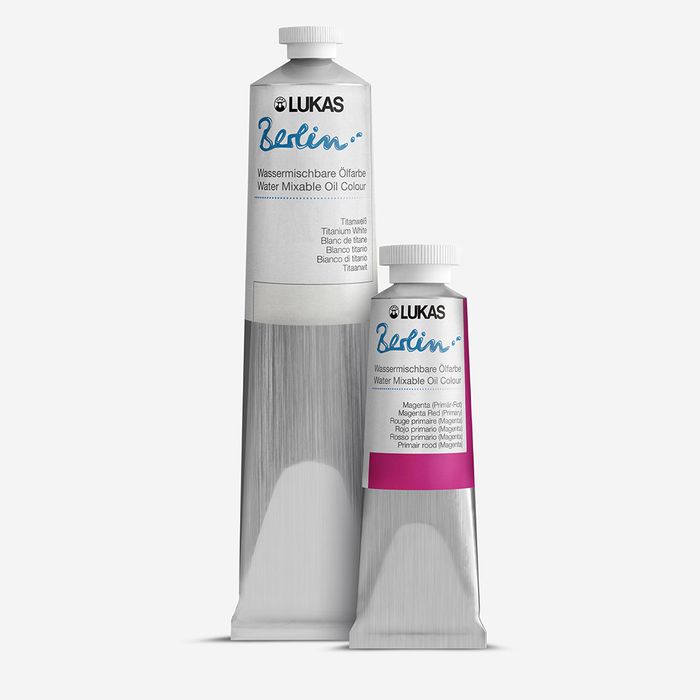
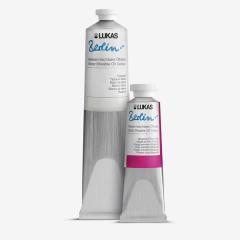
Lukas : Berlin : Water-Mixable Oil Paint
LUKAS Berlin Water-Mixable Oil Paints Offer The Same Qualities As Traditional Oil Paint But Without The Need For Solvents. They Contain A High Concentration Of Pigments For Excellent Colour Intensity And Lightfastness. Modified Linseed And Sunflower Oils Are Used As Binders And T
Alkyd and Fast-Drying Oils
Alkyd oils contain an alkyd resin that significantly accelerates drying. Thin layers can be touch-dry overnight rather than over two to five days. For plein air painters, this changes the practical picture considerably: you can pack a panel into your bag the same day without smearing, which is a real benefit when you're working in the field and need to get everything back in the car.
Alkyd oils are also frequently used as a fast-drying underpainting layer in traditional oil workflows, allowing painters to establish a composition quickly and then build slower-drying layers on top.
One note on mediums: don't overload alkyd paints with additional mediums, particularly oil-based ones. Modern alkyd films can be softer than you might expect, and heavy additions can affect the film quality.
Best for: Plein air painters who need to pack up and move quickly, painters working in cool or damp UK conditions, and those who want to complete small studies in a single session.
Jackson's
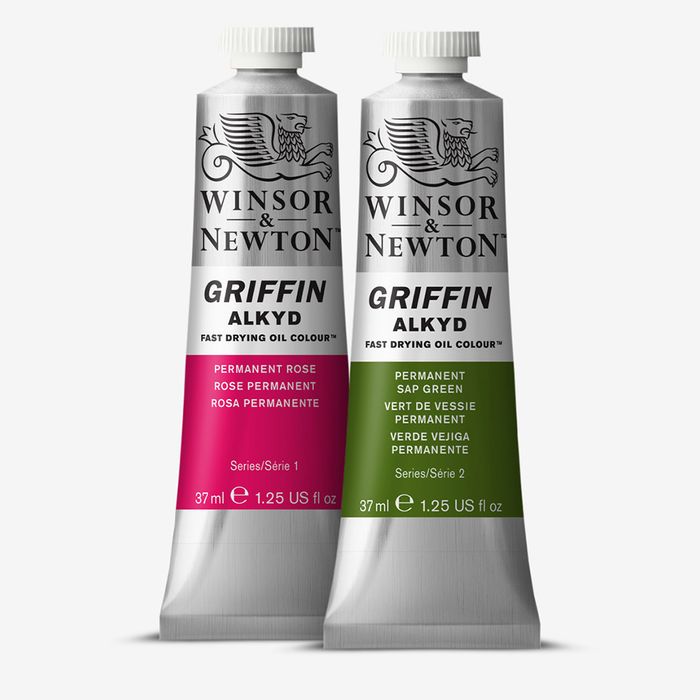
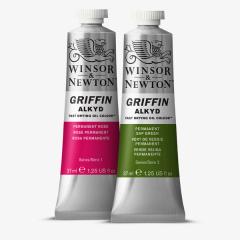
Winsor & Newton : Griffin Alkyd Oil Paint
Winsor & Newton Griffin Alkyd Oil Paints Are Fast-drying Oil Colours Made With An Oil-modified Alkyd Resin Vehicle, Offering The Working Qualities Of Conventional Oil Colour With A Quicker Drying Time. The Range Offers Over 40 Colours, And Each Colour Is Individually Formulated T
Student Grade vs Artist Grade: Does It Actually Matter?
The difference between student and artist grade oil paints comes down to three things: pigment load, the quality of the pigments used, and the presence of fillers or extenders. Student grade paints use less pigment, often substitute cheaper alternative pigments, and rely on fillers to achieve the right consistency. They work. They are a perfectly reasonable place to start.
Artist grade paints carry more pigment, use the named pigment (no substitutes), and produce stronger, more reliable colour mixing. For work you care about, that distinction matters: your colours will be more intense, your mixes cleaner, and the lightfastness across the range more consistently excellent.
The practical advice is simple: start with student grade to find out whether you enjoy working in oils. Then upgrade colour by colour as tubes run out. Don't replace everything at once; replace your most-used colours first with artist grade equivalents and feel the difference directly.
| Feature | Student Grade | Artist Grade |
|---|---|---|
| Pigment load | Lower | Higher |
| Colour range | Limited | Extensive |
| Lightfastness | Variable | Generally excellent |
| Typical 37ml price | ~£2–£5 | ~£6–£20+ depending on pigment |
| Best for | Practice, learning, large studies | Work you want to keep |
Our Top Picks for Plein Air Oil Painting
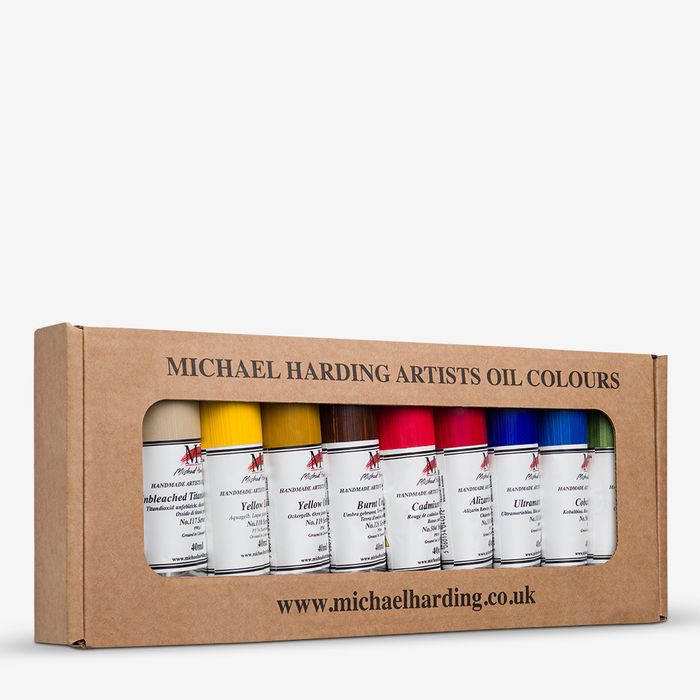
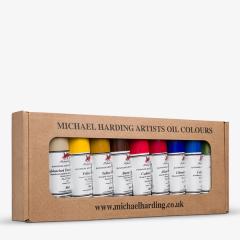
Best Plein Air Set: Michael Harding Plein Air Painter Set
Michael Harding paints are made in Britain, and that detail is worth mentioning for more than patriotic reasons: the formulation, the quality control, and the colour thinking behind the range reflects decades of serious paint-making. The Plein Air Painter Set is curated specifically for outdoor work, which means the ten colours in the box are not a generic starter selection but a considered palette for the kinds of tones and conditions you actually encounter painting in the British landscape.
At £137 for ten 40ml tubes, this is a significant investment. It is not the right first purchase for someone still unsure whether oils are for them. But for a painter past the early stages who wants to commit properly to plein air work, it is excellent value for what it delivers.
Jackson's
Michael Harding : Oil Paint : Plein Air : Painter Set : 10x40ml
10 X 40ml Tubes In The Following Colours: 1 X Titanium White No. 2 (PW6 & PW4, Average Drying Speed, Opaque, Excellent Lightfastness, Low Oil Content) 1 X Yellow Lake (PY 74, Slow Drying Speed, Transparent, High Tint, Excellent Lightfastness, High Oil Content) 1 X Cadmium Red (PR
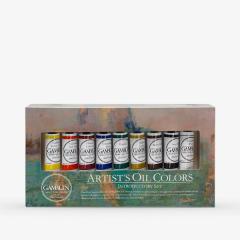
Best for the Serious Beginner: Gamblin Artist Oil Paint Introductory Set
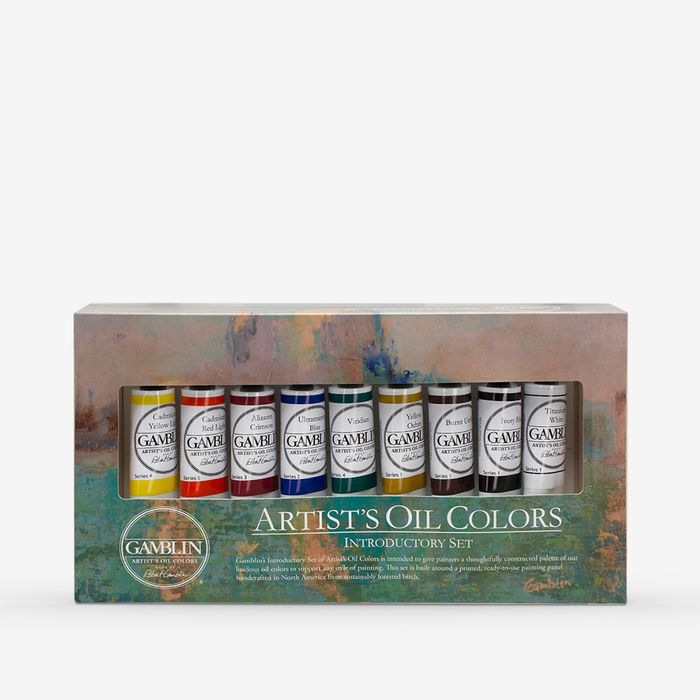
Gamblin is an American brand with a strong reputation for technical rigour and paint quality, and it is widely available in the UK through Jackson's and other major suppliers. The nine-colour introductory set at £99 gives you a thoughtfully selected limited palette at genuine artist grade, which is a meaningful step up from student paint once you have a few sessions under your belt and want to understand what better colour mixing actually feels like.
The colour selection is general rather than landscape-specific, but it covers the primaries and key earth tones you need to work from. At 37ml per tube it is more compact than the Michael Harding set, which suits lighter outdoor kit.
Jackson's
Gamblin : Artist Oil Paint : 37ml : Introductory Set of 9
The Gamblin Introductory Set Of 9 Artists' Oil Colours Is Intended To Give Painters A Thoughtfully Constructed Palette Of Colours To Support Any Style Of Painting. The Set Also Includes A Primed, Ready To Use Painting Panel Handcrafted In The US From Sustainably Grown Birch. The
Best Fast-Drying Option for Plein Air: Winsor & Newton Griffin Alkyd
The Griffin range from Winsor & Newton is the most accessible alkyd option in the UK, available from Jackson's, Cass Art, Ken Bromley, and most other major suppliers. Individual tubes from around £6.40 make it easy to trial a few colours before committing to a full range. Touch-dry overnight in normal conditions, it is a practical solution to the single biggest frustration of plein air oil painting: getting your work home without smearing.
The Griffin range is covered in the product card in the section above; rather than duplicate it here, it is worth noting that it pairs well with a traditional oil workflow if you want to use it selectively (fast-drying whites, for example) rather than switching entirely.
Best Water-Mixable Option: Lukas Berlin
Lukas Berlin is competitively priced, handles well, and is genuinely widely available in the UK. At around £4.40 per 37ml tube it sits at the accessible end of the water-mixable market without a significant compromise on quality. For anyone who wants to try oils without the solvent question, it is a sensible starting point.
The product card for Lukas Berlin is placed in the water-mixable section above; the same range applies whether you are using it for outdoor work or for a home studio setup.
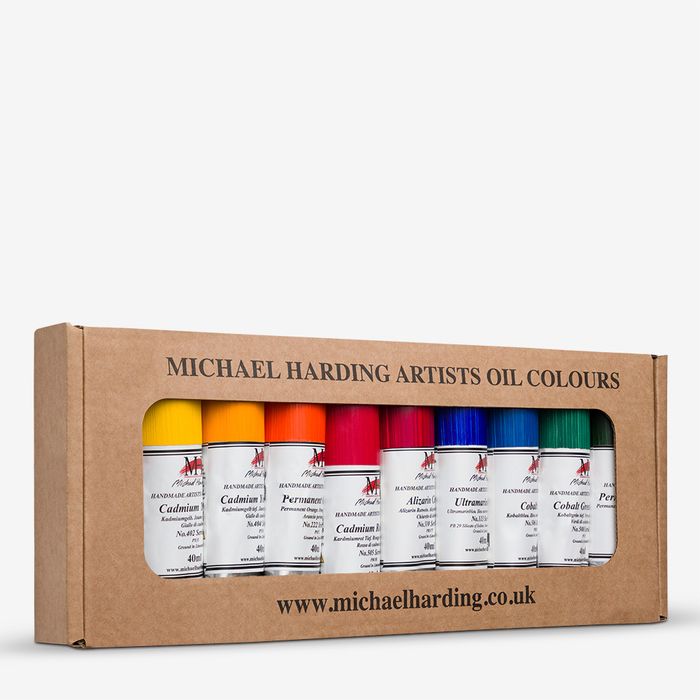
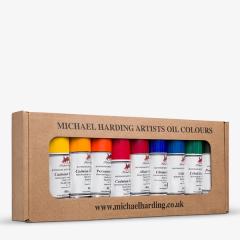
Best Premium Plein Air Investment: Michael Harding Master Set
For painters who have worked through the Plein Air Painter Set and want to expand their outdoor palette further, the Master Set (10×40ml, £207) offers a more complete range for serious outdoor work. This is not a first purchase, but it is a meaningful upgrade for a committed plein air painter who wants more flexibility without carrying excessive weight.
Jackson's
Michael Harding : Oil Paint : Plein Air : Master Set : 10x40ml
10 X 40ml Tubes In The Following Colours: 1 X Titanium White No. 2 (PW 6 & PW 4, Average Drying Speed, Excellent Lightfastness, Opaque/High Tint Power, Low Oil Content) 1 X Cadmium Yellow (PY 35, Average/Fast Drying Speed, Slightly Transparent But Opaque, High Tint Power, Excelle
Building Your Plein Air Oil Painting Kit
Paints alone won't get you far outdoors. Here is a practical summary of what else you need, without overcomplicating it — this is not an exhaustive list of oil painting supplies, but the essentials for getting started outside.
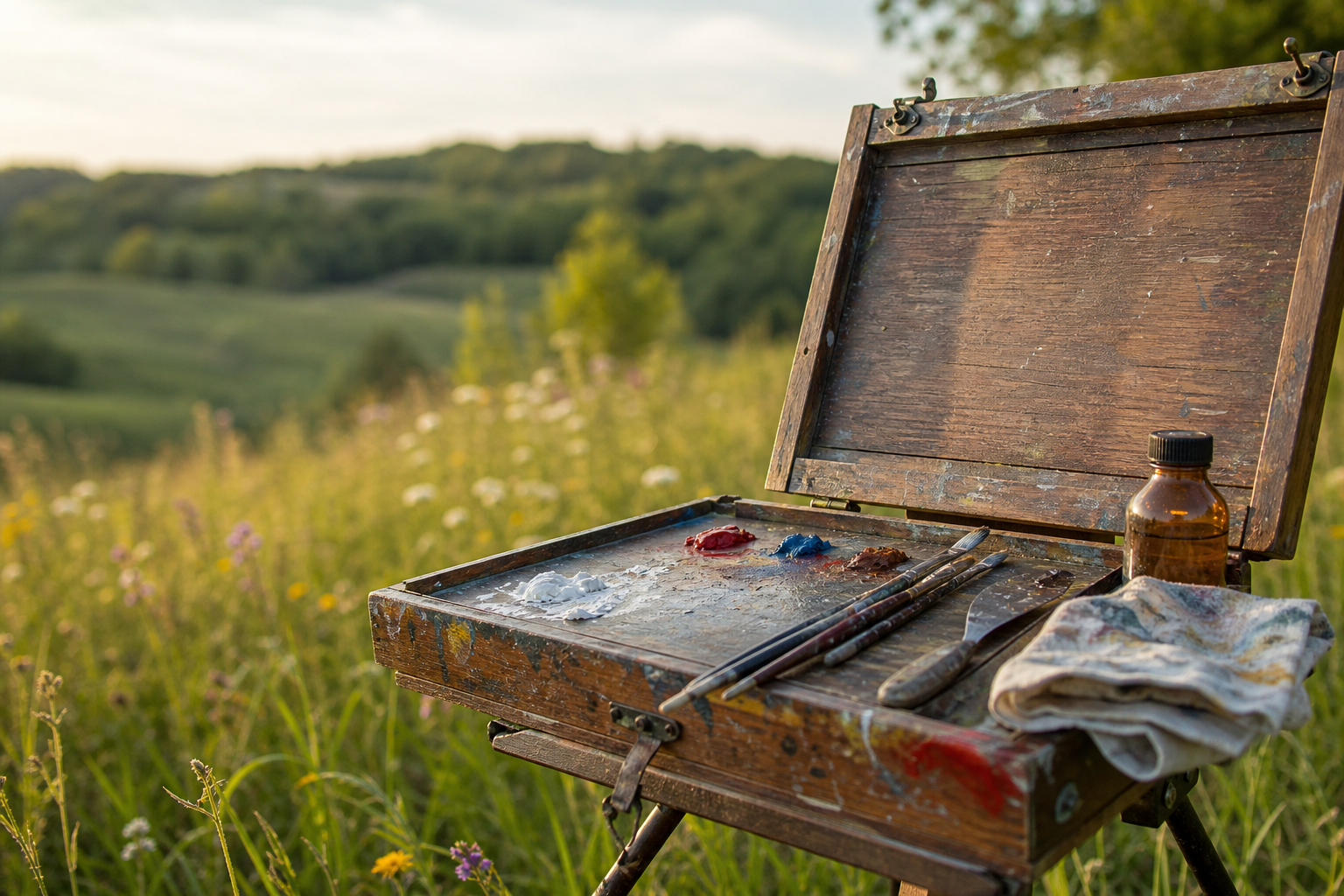
- A limited palette: one warm and one cool version of each primary colour, plus titanium white. Five or six colours is enough to start; a restricted palette builds better colour-mixing instincts than a full range
- Hog bristle brushes: two or three sizes cover most outdoor work; softer brushes for blending if you prefer
- Primed panels or oil-suitable paper: panels are significantly better for transport than stretched canvas; a wet panel sits flat, travels without smearing, and is easier to carry
- A pochade box or lightweight travel easel: keeps your palette, brushes, and panels together in one unit
- Two screw-top jars if using traditional oils: one for cleaning brushes, one for thinning paint; the two-container system keeps your solvent cleaner for longer
- Rags or paper towels: more useful than you think; take more than you expect to need
- A fast-drying medium if working in traditional oils outdoors: a small amount added to your paint can accelerate drying enough to make a real difference in UK conditions
Plein air oil painting at a glance
- Recommended starting palette
- 5–6 colours + white
- Typical 37–40ml tube price (artist grade)
- £6–£20+
- Touch-dry time (alkyd oils)
- Overnight
- Touch-dry time (traditional oils)
- 2–5 days
- Safe solvent disposal
- Hazardous waste route
Limited palette builds better colour-mixing skill
Price varies significantly by pigment
Much faster than traditional oils
Depends on pigment, thickness, and UK conditions
Do not pour down the sink — check local council guidance
A Note on Safety and Solvent Disposal in the UK
The paint itself carries low risk for most painters working in normal conditions. The main concern with traditional oils is the solvents: turpentine, white spirit, and mineral spirits are all irritants and carry fume risks in poorly ventilated spaces. Outdoors this is largely a non-issue, but in a home studio it matters.
A few straightforward habits make a significant difference. Keep solvent containers closed when you are not actively using them. Work near an open window or door if indoors. Use the two-container system: one jar for washing brushes, one for thinning paint onto the palette. The cleaning jar gets dirty quickly; the thinning jar stays cleaner and gives you better control.
The disposal point is important and often overlooked. Under UK waste regulations, solvent-soaked rags and liquid solvent are classified as hazardous waste. You cannot pour waste solvent down the sink. Check your local council's guidance on hazardous household waste disposal; most councils have a collection point or periodic collection service. Let waste solvent settle in a sealed container, pour off the clear solvent for reuse, and dispose of the pigment sludge at a hazardous waste facility.
Water-mixable oils sidestep this entirely. Brushes clean up with water and washing-up liquid; there is no solvent to store or dispose of. For anyone painting at home, in a shared space, or simply preferring a cleaner setup, this is a genuine advantage, not a compromise. Modern solvent-free approaches are increasingly mainstream, and the results are indistinguishable to most eyes.
Which Oil Paints Should You Actually Buy?
Here is the short version, based on where you are right now.
If you're a complete beginner: Start with a student-grade set to find out whether oils suit your way of working, or go straight to Lukas Berlin water-mixable oils for a low-fuss introduction with no solvent handling. Upgrade colour by colour to artist grade as you use tubes up.
If you're ready to invest in artist grade: The Michael Harding Plein Air Painter Set is the standout choice for UK outdoor painters; it is made here, curated for this purpose, and genuinely excellent. The Gamblin Introductory Set is a strong alternative if the price is a stretch.
If fast drying is your priority: Winsor & Newton Griffin Alkyd is the most accessible solution in the UK. Individual tubes are affordable enough to trial before committing to the full range.
If you're painting at home or have ventilation concerns: Lukas Berlin water-mixable oils give you an experience close to traditional oils without any of the solvent management.
Recommended oil paints for plein air
Michael Harding : Oil Paint : Plein Air : Painter Set : 10x40ml
Gamblin : Artist Oil Paint : 37ml : Introductory Set of 9
Winsor & Newton : Griffin Alkyd Oil Paint
Lukas : Berlin : Water-Mixable Oil Paint
Michael Harding : Oil Paint : Plein Air : Master Set : 10x40ml
FAQ
Frequently Asked Questions
Which types of oil paints work best for plein air painting?
All three main types suit plein air but in different ways. Traditional oils give the widest colour range and archival record but need solvents. Alkyds dry fast so you can pack up the same day. Water-mixable oils remove the need for solvents and are ideal for home or shared spaces.
How do drying times affect outdoor oil painting in the UK?
Drying is slower in cool, damp UK conditions. Traditional oils can take several days to touch dry, while alkyds often touch dry overnight. Work with thin lean layers and a faster white or alkyd medium to avoid smudging when transporting work.
Can I avoid using solvents when painting outdoors?
Yes. Water-mixable oils let you thin and clean with water and washing-up liquid, removing solvents from your kit. If you use traditional oils, minimise solvent use with a two-jar system and carry screw-top containers for safe transport.
Is student grade paint acceptable for plein air beginners?
Student grade is fine for learning and large studies. It is cheaper and lets you practise mixing. Upgrade individual colours to artist grade as you finish tubes, starting with the hues you use most for stronger colour and improved lightfastness.
How should I dispose of solvent and solvent-soaked rags in the UK?
Treat solvents and solvent-soaked rags as hazardous waste. Do not pour solvents down the sink. Let used solvent settle in a sealed container, pour off clear solvent for reuse, and take pigment sludge and contaminated rags to your local hazardous waste facility or council collection point.
Author

PleinAirPainting Editorial Team
PleinAirPainting.co.uk helps artists paint outdoors with confidence through UK-focused guides, equipment advice, resources and plein air inspiration.