Best Brushes for Oil Painting Outdoors: A UK Plein Air Guide
A UK plein air guide to the best brushes for oil painting, recommending Rosemary & Co's Plein Air set, explaining shapes and hair types, and giving practical field cleaning and storage tips.

Key takeaways
- • Top pick: Rosemary & Co Michael Richardson Plein Air Starter Set for its plein air design and value.
- • Key shapes: filbert for versatility, flat for blocking, rigger for fine lines.
- • Pack light: four to six brushes are usually enough; two same-size brushes for lights and darks help keep colour clean.
- • Field care: wipe, use a low-odour solvent jar, then soap and water at home; store in a brush roll and dry flat.
- • Choose hair by style: hog bristle for energetic marks, firm synthetics for control and vegan options.
Most guides to the best brushes for oil painting are written for people painting in a warm studio with a sink nearby. They don't account for painting on a hillside in Pembrokeshire when the wind picks up, or trying to clean a brush in a Cornish car park at dusk with a rag and a jar of Zest-it. This guide is different. It's written specifically for outdoor oil painting in the UK: what brush types actually work, which set earns a genuine recommendation, and how to look after your brushes when you're miles from a tap. There's a clear primary recommendation, honest alternatives at different price points, and practical advice you can use in the field.
What Makes a Good Brush for Oil Painting Outdoors?
Not all oil painting brushes are made equal, and not all brushes sold for "art" are actually made for oils. A cheap watercolour brush, a craft brush from a hardware shop, even many of the multipacks sold in budget art kits: these tend to be too soft, too fragile, or not designed to hold up against the viscosity of oil paint and the solvents used to clean it. Start with those, and you'll end up with splayed, shedding brushes within a few sessions.
The fundamentals of what makes a brush work for oils outdoors come down to three things: hair type, shape, and handle length.
Hair type: hog, synthetic, or soft hair?
Hog bristle is the traditional choice for oil painting, and it earns that status. Hog hair is stiff and springy, with natural split ends (called "flags") that help it hold and distribute thick paint. It excels at blocking in large areas quickly, pushing paint around energetically, and building up textured, expressive marks. Outdoors, where you're often working fast to catch changing light, that energy suits the medium well.
Firm synthetics have improved enormously in recent years and are now legitimate alternatives rather than budget compromises. They're consistent in behaviour, easier to clean, and fully vegan. Some painters find they suit a smoother, more controlled style: good for glazing layers, softer blending, or detail work. If you prefer hog bristle is too coarse for your way of working, a quality synthetic is a sound choice, not a step down.
Soft natural hair (kolinsky sable, mongoose equivalents) is more specialised. It's beautiful for portrait detail and smooth blending in a studio setting, but it takes more punishment outdoors, costs more to replace, and is less forgiving of the rough-and-ready cleaning that plein air sessions often require. Unless you're painting highly finished figurative work outside, soft hair is largely a studio tool.
Shape matters more than you think
The filbert is the workhorse of plein air oil painting. Its oval, slightly pointed tip gives you the coverage of a flat brush but with softer, more natural edges. In landscape work particularly, that rounded tip reads as foliage, distant fields, rock faces, and cloud edges more naturally than the hard line a flat leaves behind. If you only bought one brush shape for outdoor oils, it would be the filbert.
Flats are still essential: a flat brush creates crisp, planar marks that are ideal for blocking in large areas of sky or ground, and for painting architectural elements where you want a clean edge. Every outdoor kit should include at least one.
Rounds and riggers (also called liners) are late-session brushes. Rounds hold a point for small accents; riggers have long, thin bristles designed for fine lines like grasses, twigs, rigging on boats, and your signature. They're not core tools, but two or three of them are worth having at the bottom of your brush roll.
Handle length for plein air
Studio oil brushes traditionally come with long handles, which make sense when you're standing back from a large canvas on an easel. For outdoor painting, particularly with a pochade box on your lap or a compact travel easel, long handles become a nuisance. They catch the wind, don't fit in brush rolls easily, and make manoeuvring in a small painting space awkward. Short or medium handles are more practical for plein air work and increasingly common in sets designed specifically for outdoor use.
Quick reference: brush types for plein air oil painting
- Hog bristle
- Stiff, springy, natural
- Firm synthetic
- Consistent, vegan-friendly
- Soft natural hair (sable etc.)
- Smooth, delicate
- Flat
- Rectangular tip
- Filbert
- Oval tip
- Round
- Pointed cylinder
- Rigger/liner
- Very long thin tip
- Long handle
- Standard oil brush
- Short handle
- Travel/plein air
Best for blocking in, impasto, expressive work
Good for all-round use, glazing, detail
Specialist blending; less suited to outdoor conditions
Blocking in, sharp edges, strong planar strokes
Most versatile shape; combines coverage with softer edges
Drawing lines, detail, late-stage accents
Fine lines, grasses, twigs, signatures
Better for easel work at arm's length
Fits pochade boxes; easier in compact kit
Best Oil Painting Brushes for Plein Air: Our Picks
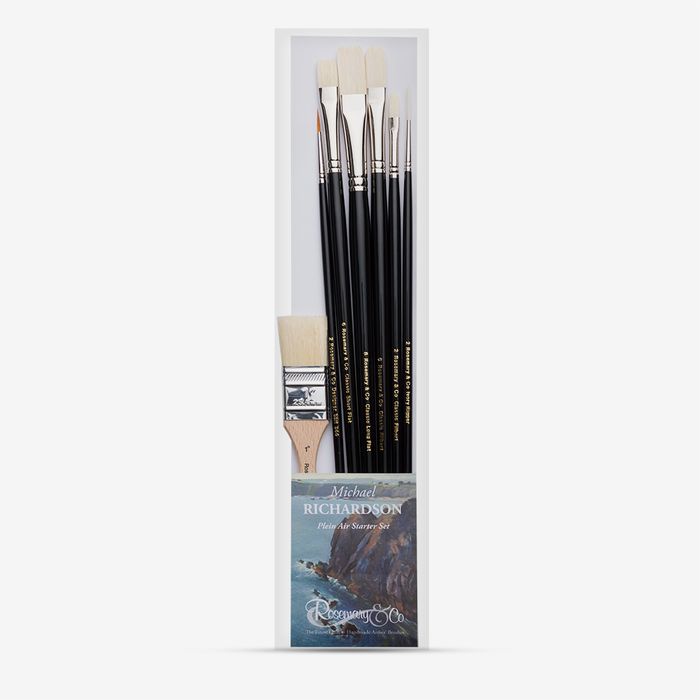
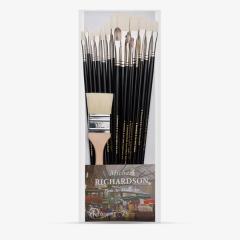
Rosemary & Co is a small, family-run brush maker based in Yorkshire with a strong reputation among serious amateur and professional painters in the UK. They're not a mass-market brand and they don't try to be. The Michael Richardson Plein Air range was designed in collaboration with landscape painter Michael Richardson specifically around the demands of outdoor painting: practical handle lengths, versatile shapes, and hair that holds up to repeated field cleaning. That specific focus is what makes the Starter Set the natural recommendation here.
At £37.00 for a considered, plein air-specific selection, it offers genuine value compared to buying equivalent individual brushes and guessing at the shapes and sizes yourself.
Jackson's
Rosemary & Co : Michael Richardson : Plein Air Starter Brush Set
A Set Of 7 Brushes, Designed For Plein Air Painting. All Are Long Handled Rosemary & Co. Brushes. The Set Includes: * Classic Long Flat (Size 8) * Classic Short Flat (Size 6) * Classic Filbert (Size 2, 6) * Ivory Rigger (Size 2) * Series 3099 Hog Bristle Large Background (1 Inch)
Who it's best suited to
The Rosemary & Co Plein Air Starter Set is the right choice for a painter who is moving beyond cheap or unsuitable brushes and wants a proper, considered kit for outdoor work. It suits oil painters working on panels up to roughly 10×12 inches outdoors, using a pochade box or compact easel, and wanting brushes that travel easily without taking up unnecessary space. The handle length alone makes it more practical for plein air use than most studio sets at a similar price.
It's also a strong option for someone who has been painting in a studio and is setting up a separate outdoor kit: the quality is high enough that these brushes won't feel like a compromise compared to what you already own.
It's honest to say who it's not for. If you paint very large format canvases outdoors (anything substantially above 12×16 inches), you'll likely want additional larger brushes to complement this set. If a vegan kit is important to you, the natural hair in the set is a genuine limitation rather than a minor caveat. And if you're genuinely unsure whether oils are the medium for you yet, it's worth spending less to begin with before committing to a quality set.
Who should consider something else
Painters on a tighter budget, those wanting a vegan synthetic option, or those who have already established their preferences and want to build a bespoke selection rather than buy a fixed set will find more appropriate alternatives below.
Best Paint Brushes for Oil Painting Outdoors
Pro Arte Series C Hog Filbert (from £1.80)
Jackson's
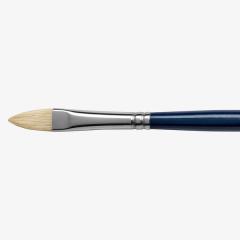
Pro Arte : Series C Hog Brush : Filbert : Size 4
Pro Arte Series C Filbert Hog Brushes Are Great Value Brushes Designed For Use With Oil Colour But Can Also Be Used With Water-mixable Oil, Alkyd Oil, And Acrylic. With Their Distinctive Filbert Shape They Are Perfect For A Range Of Painting Techniques Including Blending, Gestura
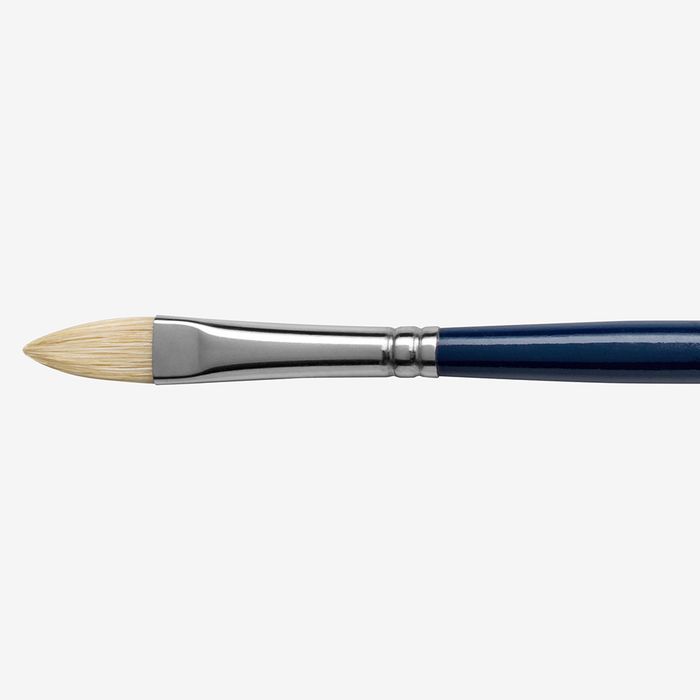
Pro Arte is a well-established British brush brand, and the Series C hog filberts are honest, no-nonsense brushes at a price that removes the anxiety from experimenting. If you're trying oils outdoors for the first time and aren't yet sure which sizes you'll use most, starting here is a sensible choice. They're widely available from UK suppliers and perform well for their price. The honest trade-off: they won't last as long as premium brushes, and with heavy use the hairs can splay more quickly than a Rosemary & Co equivalent. Buy a couple of sizes, find out what you reach for, and upgrade accordingly.
Pro Arte Artist Value Super Hog Wallet Set (£10.10)
Jackson's
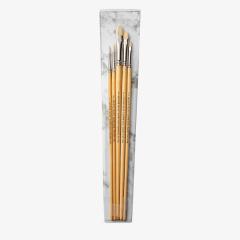
Pro Arte : Artist Value : Super Hog Wallet Brush Set : 5 Brushes
Good Quality Brushes For Value Conscious Artists. This Set Of 5 Long Handle Hog Bristle Brushes Is Ideal For Oil Painting. Contents Include: 5 X Pro Arte Super Hog Long Handle Brushes 2 X Round (Sizes 1 & 2) 3 X Short Flat (Sizes 2, 4 & 6)
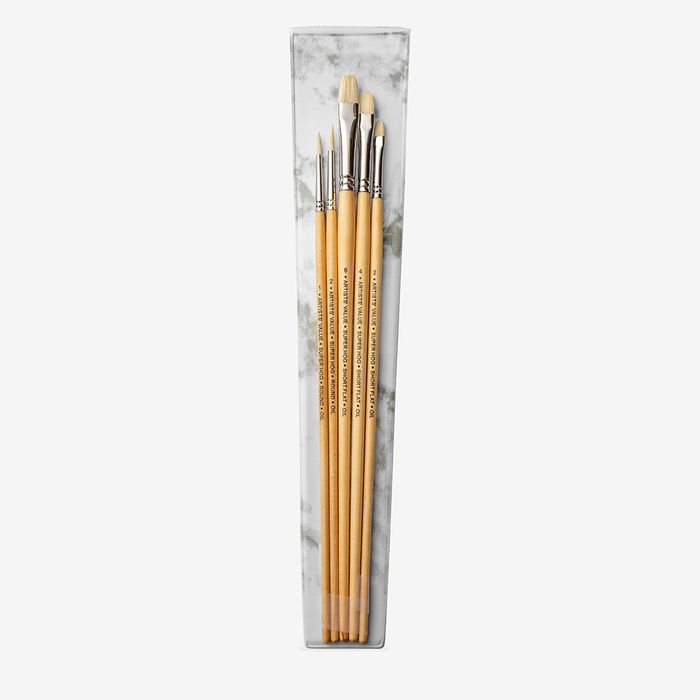
Five hog brushes covering the key shapes in a wallet format: this is a practical entry point for someone who wants to explore brush shapes without a significant outlay. The wallet itself is genuinely useful for plein air transport, keeping tips protected and brushes organised. At £10.10 for the set, it's a reasonable way to start, with the expectation that you'll replace individual brushes as you discover your preferences. Think of it as a trial kit rather than a long-term investment.
Da Vinci Colineo Synthetic Filbert (from £11.80)
Jackson's
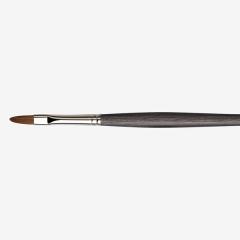
Da Vinci : Colineo : Oil Brush : Series 1825 : Synthetic Fibre : Filbert : Size 4
Da Vinci Colineo Synthetic Oil Brushes Are Made From Synthetic Fibres And Are Vegan And Animal-friendly. Designed For Oil And Acrylic Painting, These Colineo Brushes Have Very Similar Properties To Kolinsky Red Sable Hair Brushes. They Have A Carefully Balanced Mixture Of Differe
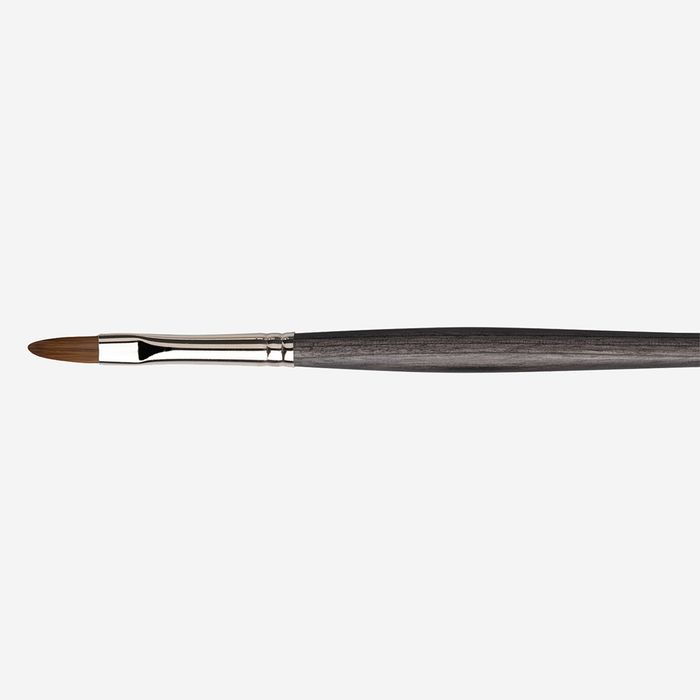
Da Vinci's Colineo range is made specifically for oil painting, not a repurposed watercolour brush with a new label. The firm synthetic fibre behaves well in thick paint, springs back reliably, and cleans up easily. It's a strong choice for painters who prefer a vegan brush, or for those whose style runs towards smoother, more controlled mark-making where hog bristle feels too coarse. Buying individual filberts in sizes 4 and 8 gives you a versatile core set without committing to a fixed collection. The quality sits clearly above budget synthetics; this is a brush worth considering on merit regardless of ethical preference.
Rosemary & Co Plein Air Master Set (£100.00)
Jackson's
Rosemary & Co : Michael Richardson : Plein Air Master Brush Set
A Complete Set Of 18 Brushes, Designed For Plein Air Painting. All Are Long Handled Rosemary & Co. Brushes, Unless Otherwise Stated. The Set Includes: * Classic Pointed Round (Size 4) * Classic Long Flat (Size 2, 4, 6, 10) * Classic Short Flat (Size 2, 4, 6) * Classic Filbert (Si
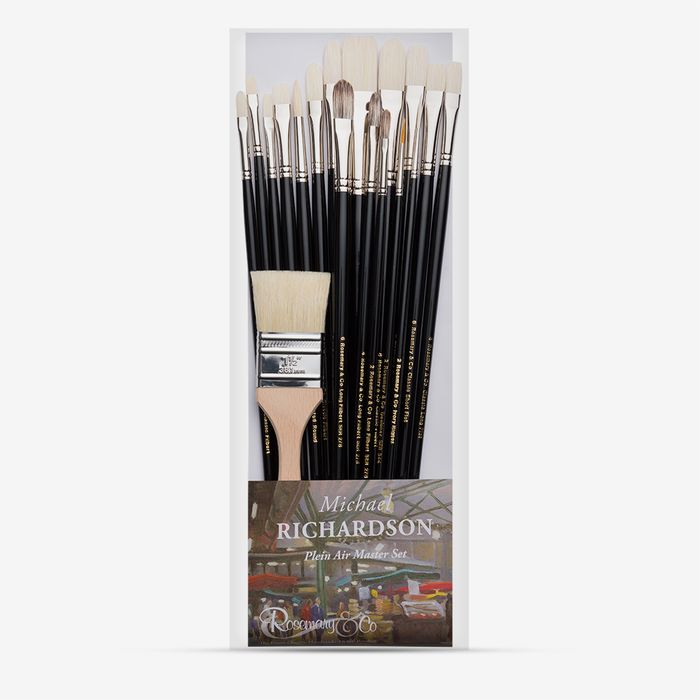
For painters who have found their outdoor practice and want to invest properly in it. The Master Set is an expanded version of the same Michael Richardson range, covering a wider variety of sizes and shapes to handle more painting situations with greater precision. At £100 it's a significant outlay, but for an artist who paints regularly outside across a full season, it's likely to prove excellent value over a number of years. A quality brush maintained well can last a decade. This is the set to aspire to once you know outdoor oil painting is a serious part of your practice.
How Many Oil Painting Brushes Do You Actually Need?
The temptation when setting up a new kit is to buy comprehensively before you know what you need. It's very easy to arrive at your first outdoor session with twelve brushes and spend half your painting time deciding which one to pick up. Instructors consistently observe that painters use far fewer brushes than they own, and that working with more actually encourages fussier, less confident work. Outdoors, there's a practical argument too: every extra brush is extra weight, extra cleaning, and extra surface to damage in transit.
The good news is that four or five well-chosen brushes cover the vast majority of plein air oil painting situations. Two medium filberts (sizes 4 and 8) will handle most of your mark-making, from fine details to broad strokes. A flat in a similar mid-size handles your blocking in and architectural edges. A rigger or liner covers late-session details: grasses, branches, the fine edge of a wave. That's four brushes. Most experienced plein air painters work with five or six at most, and many would say five is already generous.
One practical tip worth taking seriously: having two brushes of the same size, one for lights and one for darks, prevents colour contamination and means you're not constantly wiping and re-loading mid-painting. It sounds like an indulgence, but it genuinely keeps colour cleaner when you're working quickly in changing light.
Add brushes as your practice develops and you identify genuine gaps. Start small.
A sensible starting kit for outdoor oils
Two medium filberts (sizes 4 and 8) cover most of the work. Add a small flat for sharp edges and a rigger or liner for late details and your signature. That's four brushes. Most experienced plein air painters work with five or six at most.
Caring for Your Brushes in the Field
This is where plein air painting diverges most sharply from studio practice, and where a bit of knowledge genuinely saves money. Brushes fail early not because of poor quality but because of poor care: paint left to dry in the ferrule, bristles bent against the bottom of a bag, solvent pooling against the hairs overnight. A quality brush looked after properly will last years; the same brush neglected will be useless within months.
Cleaning outdoors without a sink
The reality of painting outdoors is that a full brush clean at the end of a session often isn't practical. What you can do in the field is a thorough wipe-and-solvent clean that removes the bulk of the paint and leaves the brushes in good enough shape to travel home without hardening up. The deeper soap-and-water clean can wait until you're back indoors.
Low-odour solvents are the practical choice for outdoor use: Zest-it is a UK-made option with a mild citrus scent, and Gamsol is widely available from UK art suppliers. Both are significantly more pleasant to work with outdoors than traditional white spirit, and safer in an enclosed vehicle on the drive home.
How to clean oil brushes at the end of an outdoor session
Wipe off excess paint
Use a clean rag or paper towel to wipe as much paint as possible from the bristles before reaching for any solvent.
Clean in a solvent jar
Work the brush gently in low-odour solvent (such as Zest-it or Gamsol) using a coiled wire brush cleaner or the side of the jar. Avoid grinding the bristles on the bottom.
Wipe clean again
Remove the solvent-laden paint with a fresh section of rag. Repeat if the brush is still heavily loaded.
Soap and water when you get home
Once back indoors, work a small amount of brush soap or washing-up liquid through the bristles from ferrule to tip, rinse under cool water, and reshape.
Dry flat or tip-down
Never leave brushes upright in water or solvent. Dry them flat, or hang them tip-down, to prevent moisture pooling in the ferrule.
Protecting tips during transport
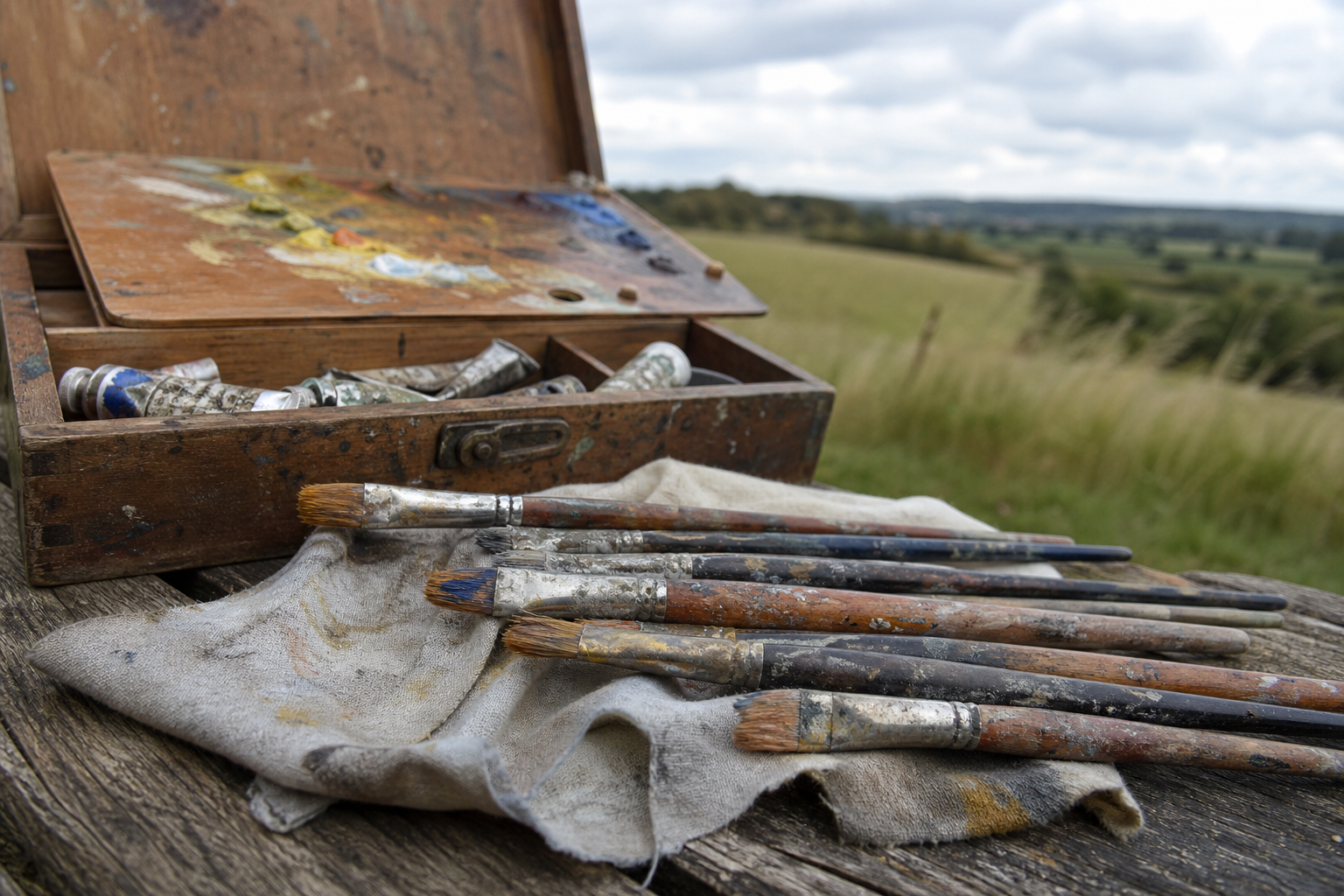
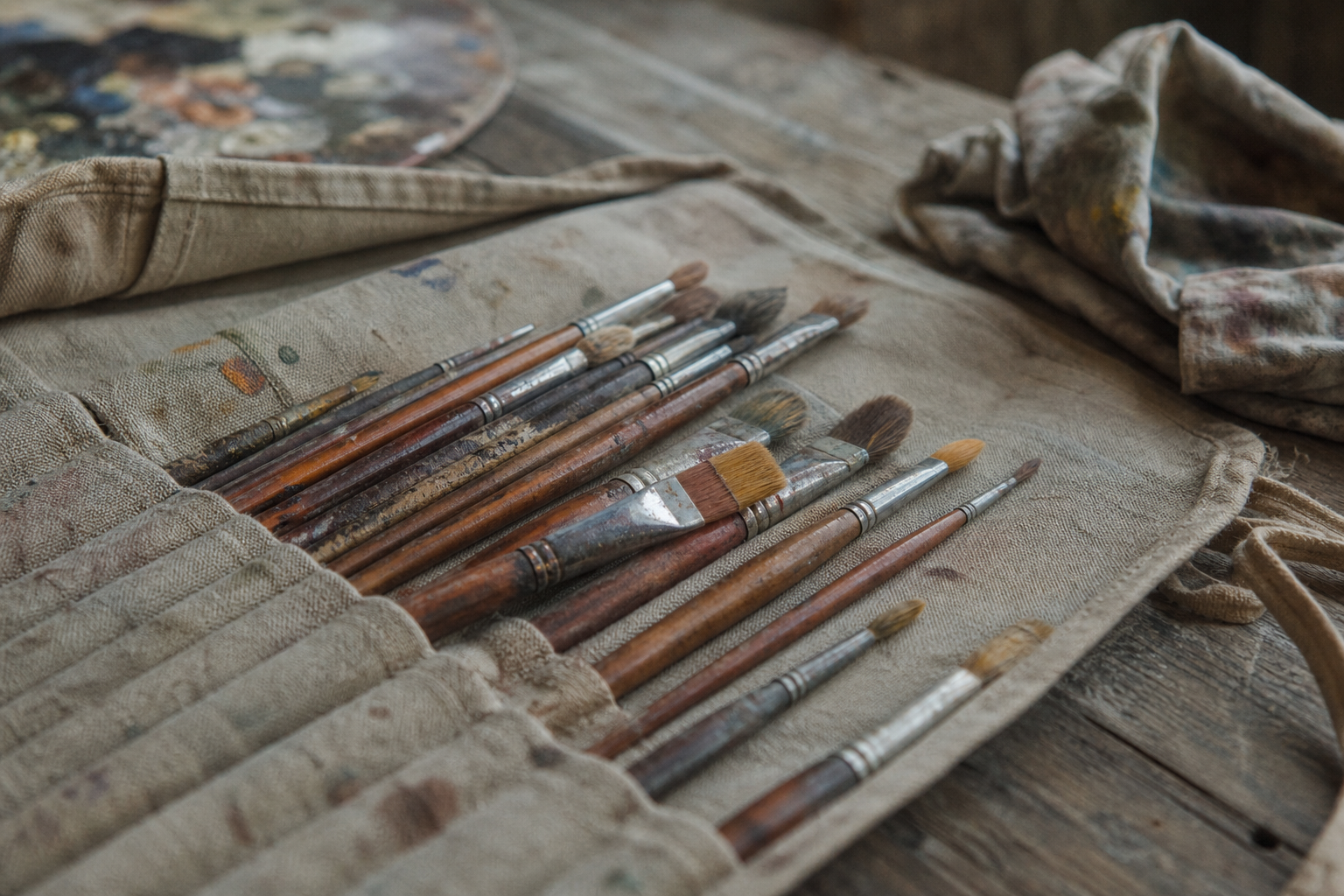
How brushes travel matters almost as much as how they're cleaned. Stuffing them into a bag tip-first will bend and splay the bristles, and wet brushes in a sealed bag or case will smell and may mildew. A canvas or leather brush roll is the standard solution: it keeps each brush in its own slot, allows air to circulate, and rolls up small enough to fit into any plein air kit. If you're using a pochade box with built-in brush storage, make sure any wet brushes are wiped clean before you slot them in.
The habit of reshaping each brush tip with your fingers after the final rinse, before laying it flat to dry, takes about ten seconds per brush and makes a real difference to how long the tips hold their shape.
The Verdict: Are These the Best Brushes for Oil Painting Outdoors?
The Rosemary & Co Michael Richardson Plein Air Starter Set earns its place as the primary recommendation here for straightforward reasons. It's designed specifically for outdoor painting, made by a UK brush specialist with a genuine reputation, at a price that represents real value for what you get. A £37 set that lasts five or more years with proper care is a far better investment than a £10 set bought and replaced three times.
The honest answer to "what are the best brushes for oil painting outdoors?" is that the best brush is partly the one that suits your technique, your budget, and how you like to work. Hog bristle suits energetic, expressive painters; quality synthetics suit those who prefer control and a vegan option; the Master Set suits those who have committed to outdoor practice over the long term. The guides above should help you identify which of those descriptions fits you.
What matters as much as which brushes you buy is how consistently you look after them. Get a small, honest set, clean them properly at the end of every session, store them in a roll, and they'll serve you reliably for years. Then get outside and paint.
Brushes featured in this guide
Rosemary & Co : Michael Richardson : Plein Air Starter Brush Set
Rosemary & Co : Michael Richardson : Plein Air Master Brush Set
Pro Arte : Artist Value : Super Hog Wallet Brush Set : 5 Brushes
Da Vinci : Colineo : Oil Brush : Series 1825 : Synthetic Fibre : Filbert : Size 4
Pro Arte : Series C Hog Brush : Filbert : Size 4
FAQ
Frequently Asked Questions
Which brushes are best for oil painting outdoors?
For most plein air work the recommended choice is a set made for outdoor use, such as the Rosemary & Co Michael Richardson Plein Air Starter Set. Hog bristle is best for energetic blocking and impasto, while firm synthetics suit smoother, controlled work and vegan preferences.
What brush shapes should I pack for a plein air session?
Start with two medium filberts (sizes 4 and 8), one mid flat for blocking and edges, and a rigger or liner for late details and your signature. Rounds can help with small accents if you want a fifth brush.
How many oil brushes do I really need when painting outside?
Four to six well chosen brushes cover most situations. Two filberts, a flat and a rigger is a sensible four brush kit. Having two of the same size for lights and darks saves time and reduces colour contamination.
How should I clean brushes in the field without a sink?
Wipe off excess paint, work the brush in a low-odour solvent jar (Zest-it or Gamsol), wipe again on a clean rag, then do a soap-and-water clean at home. Dry brushes flat or tip-down to prevent moisture pooling in the ferrule.
Should I choose hog bristle or synthetic brushes for outdoor oils?
Choose based on style and ethics. Hog bristle gives stiffness and flagging for expressive, impasto work; high-quality synthetics offer consistent spring, easier cleaning and a vegan option, and can suit more controlled techniques.
Author

PleinAirPainting Editorial Team
PleinAirPainting.co.uk helps artists paint outdoors with confidence through UK-focused guides, equipment advice, resources and plein air inspiration.