Peak District Plein Air Guide: Best Locations and Practical Tips
A practical guide to plein air painting in the Peak District with top locations, weather and kit advice, and tips for timing, access, and dealing with crowds.

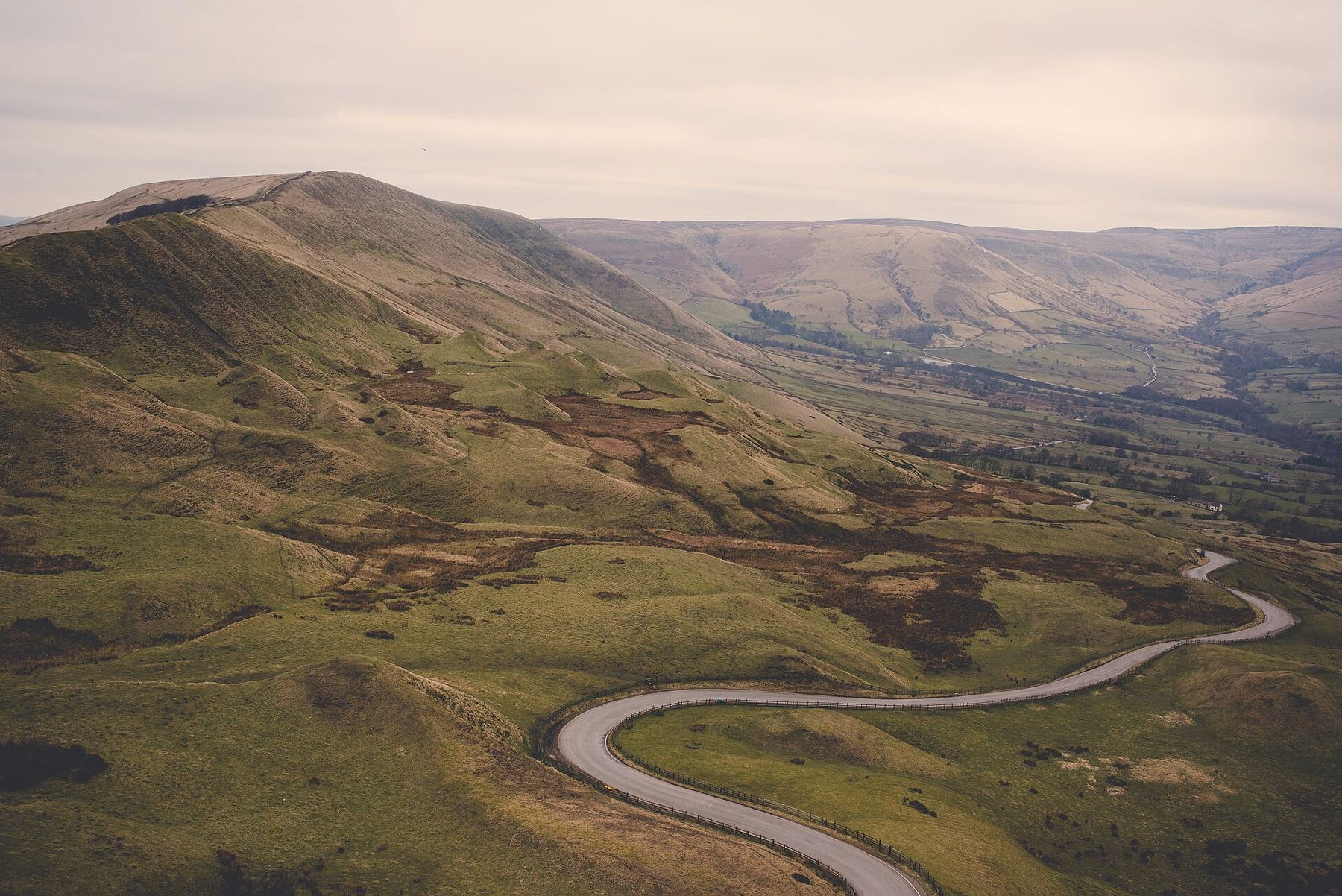
Mam Tor and Hope Valley — CC0.
Credit: CC0 via Wikimedia Commons
Key takeaways
- • The Peak District offers varied Dark Peak moorland and White Peak dales within short driving distances.
- • Check weather and favour sheltered valleys during bad conditions; overcast light is often very useful for values.
- • Key locations: Winnats Pass, Monsal Head, Castleton, Mam Tor, Dovedale and Stanage Edge, each suited to different subjects.
- • Pack light: a pochade box, small panels, waterproofs, ankle-supporting boots, and a weighted bag for tripod stability.
The Peak District offers some of the most varied and rewarding plein air painting in England, all within a compact area that most UK painters can reach in under two hours. From gritstone moorland and sweeping ridgelines to sheltered limestone dales and clear rivers, the landscape shifts dramatically depending on which direction you walk. That variety is genuinely useful: a single trip can give you tonal moorland studies in the morning and warm reflected light on river water by the afternoon.
The weather deserves an honest mention from the start. The Peak District is not a place where you can reliably plan a full painting day without checking the forecast. Conditions change quickly, wind is a real factor at exposed locations, and rain can arrive from nowhere on moorland ground. None of this should put you off. It does mean you need to be prepared, and this guide will help you think through where to go, when, and what to bring.
This guide covers both the Dark Peak and the White Peak, because they offer genuinely different painting experiences. Knowing which suits you on a given day is half the battle.
Why the Peak District Works So Well for Plein Air Painting
The practical case for the Peak District as a plein air destination comes down to variety and access. Within a single day you can move between dramatically different landscape types: the exposed gritstone edges of the north, the deep pastoral dales of the south, riverside woodland, hilltop panoramas, and stone villages with centuries of architectural interest.
The light here rewards patience. Overcast skies, which you will see often, give consistent tonal conditions that are actually very useful for painters working on value relationships. When the sun does break through, particularly in the late afternoon on gritstone edges or first thing over a limestone dale, the quality is exceptional.
Access is largely straightforward. The Peak District has extensive open access land, well-marked footpaths, and National Park car parks at most popular locations. You do not need to scramble for permission or permission to set up your easel in most spots.
Dark Peak or White Peak?
The Peak District divides roughly into two distinct landscapes. The Dark Peak in the north is moorland and gritstone: dramatic, exposed, and often moody. The White Peak in the south is limestone dales, rivers, and pastoral villages: softer, greener, more sheltered. If you want dramatic skies and expansive views, head north. If you want intimate valleys and architectural interest, the White Peak offers more comfortable painting conditions.
Top Plein Air Painting Locations in the Peak District
The six locations below cover both landscape types, a range of difficulty levels, and a spread of subjects from rock and sky to architecture and water. Each entry includes honest notes on access and conditions.
Winnats Pass
Winnats Pass is a steep limestone gorge west of Castleton, and one of the most compositionally dramatic spots in the Peak District. The road runs through a narrow valley flanked by high rock walls that taper towards the sky: strong, geometric shapes that hold up well under almost any light condition.
For painters, the geometry is the main draw. The converging lines of the gorge and the contrast between pale limestone and open sky create a natural composition that rewards tonal studies in particular. The challenge is timing. The pass sits on the tourist route to Castleton and can become busy from mid-morning onwards in spring and summer. An early start, before 8am if you can manage it, gives you the best light and uninterrupted painting time. Roadside parking is limited; the car parks in Castleton (a short drive east) are more reliable. The village also offers cafes and shelter if conditions turn.
Monsal Head and the Monsal Trail
The view from Monsal Head is one of the Peak District's most recognisable: a Victorian railway viaduct spanning the wooded Monsal Dale below, with the River Wye winding through the valley floor. For painters, the viaduct offers an unusual combination of architectural subject and landscape, set within a curved dale that gives a strong sense of depth.
The viewpoint itself is elevated, which gives you the kind of sweeping perspective that works well for establishing compositions. It can be busy at weekends and during the summer season, so midweek or early morning visits are worth planning for. The Monsal Trail, which follows the old railway line through the valley, is a quieter alternative that gives you access to river-level subjects: water, woodland edges, and the underside of the viaduct itself. The valley is sheltered, making it a good option when conditions are marginal on higher ground.
Castleton and the Hope Valley
Castleton works well as a practical base, particularly for painters who want a mix of architectural and landscape subjects without committing to a long walk. The village has a medieval layout with stone buildings and narrow streets that offer urban plein air material. Peveril Castle sits on the limestone spur above the village: a recognisable silhouette that can anchor a composition and give you the height contrast you need against a wide sky.
Beyond the village, the Hope Valley floor stretches south-east towards Edale: wide, open farmland with dry-stone walls and the long profile of Mam Tor on the western horizon. Castleton also has good amenities including parking, food, and public toilets, which matters if you're planning a full day's painting.
Mam Tor and the Great Ridge
Mam Tor is as exposed as the Peak District gets. The ridge walk from Mam Tor to Hollins Cross sits high above both the Hope Valley to the south and the Edale Valley to the north, with panoramic views in both directions. On a clear, calm day it is exceptional for value studies and for understanding the tonal relationship between the land and the sky.
The key word is calm. Any wind above a gentle breeze makes conventional easel painting impractical at this altitude. If you go, bring a pochade box and small panels, 6x8 or 8x10, rather than anything that creates a wind surface. The car park at the base of Mam Tor is a straightforward starting point. Check the forecast before you go and have a sheltered alternative in mind if conditions shift. This is moorland terrain: the paths are uneven, and the temperature at the top is reliably several degrees lower than in the valley.
Dovedale and the Manifold Valley
Dovedale is the White Peak at its most distinctive. The River Dove runs through a narrow limestone dale flanked by steep wooded sides and punctuated by rock formations: Thorpe Cloud at the entrance to the dale, Ilam Rock further in, and the stepping stones that give you a useful foreground element for river compositions. The water in the Dove is remarkably clear, and in the right morning conditions the reflections are strong enough to carry a painting on their own.
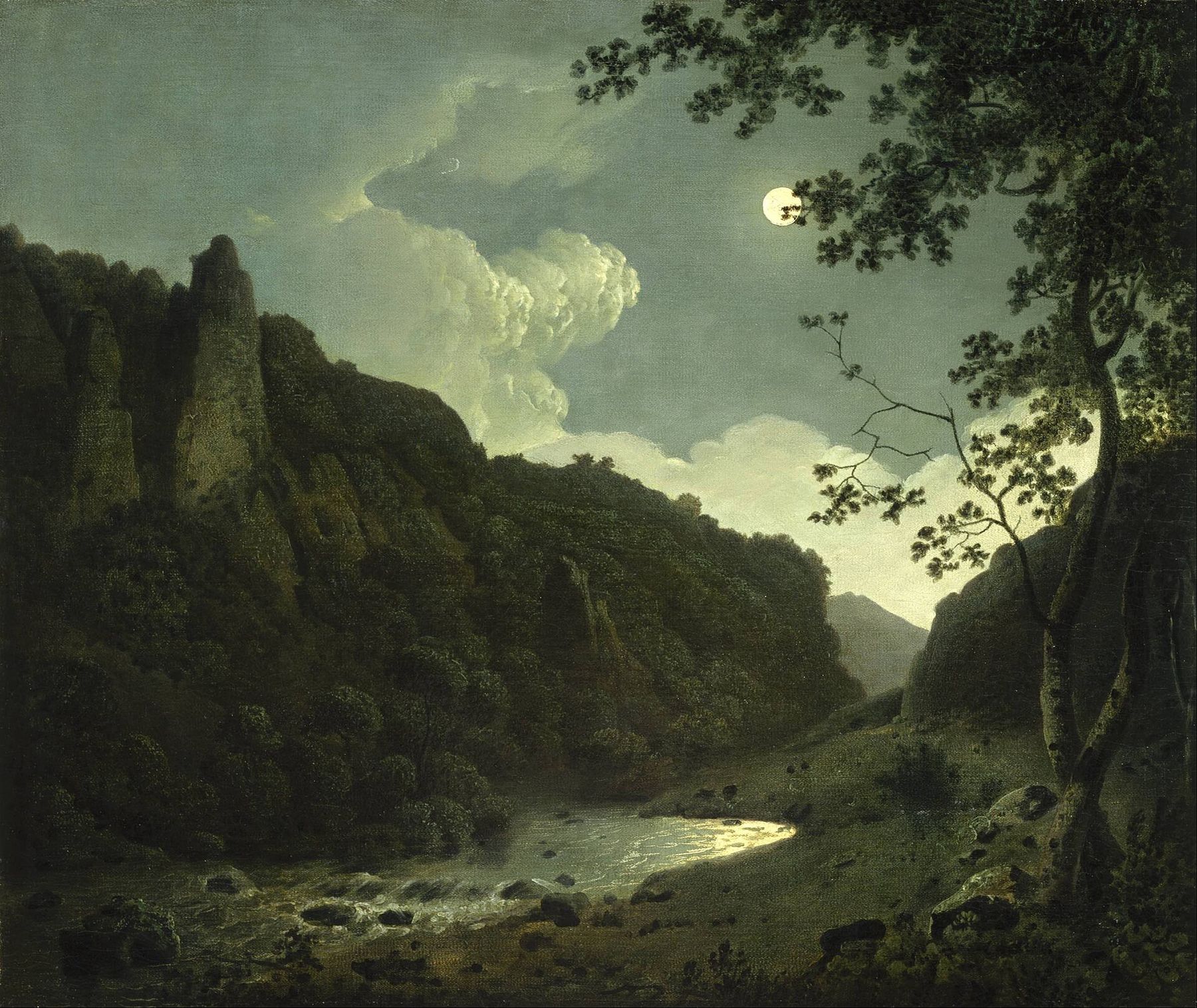
Dovedale by Moonlight by Joseph Wright of Derby.
A spring session works particularly well, with autumn a close second. Summer weekends can be genuinely crowded at the stepping stones and the lower dale: arrive early or plan for a midweek session. The valley floor is sheltered from wind and workable year-round, though it becomes muddy and slippery underfoot in winter. The wooded sides give dappled light in summer, which is either an asset or a challenge depending on your medium and preference.
Stanage Edge
Stanage Edge is a long gritstone escarpment above Hathersage, running for several kilometres along the moorland above the village. It is popular with rock climbers, but long enough that painters can walk to quieter sections without much effort. The edge itself gives you dramatic foreground interest: fractured, layered gritstone with lichens and heather, set against wide moorland views stretching north and west.
The evening light in summer on the gritstone is genuinely worth the walk. The warm tones in the rock catch the low sun in a way that makes every session feel like it was worth the effort. Parking is available at several points along the road below the edge. If you want a quieter experience with similar character, Owler Tor to the south is a good alternative that sees far fewer visitors. As with Mam Tor, be prepared for weather changes: conditions on the edge can shift quickly, and the descent back to the car in fading light over rough ground requires some care.
What the Peak District Weather Actually Means for Painters
The Peak District has a reputation for unpredictable weather, and that reputation is earned. The moorland areas in particular sit at altitude and are exposed to westerly weather systems. Rain can arrive within minutes of a clear sky, and wind can make painting with an easel impossible at exposed locations.
The practical upshot is this: always have a rain layer in your pack, check the forecast before you leave, and have a sheltered alternative in mind if your first choice location is exposed. Dovedale and the Monsal Trail are good fallback options when the weather turns because both sit in sheltered valleys where you can paint under tree cover if needed.
Overcast conditions, which are common across the Peak District, are not as bad for painters as they might seem. Flat, diffuse light removes harsh shadows and makes tonal values more consistent, which can actually simplify the painting process. Many Peak District painters find overcast days more productive than bright sunshine, particularly on moorland where the colours in the heather and grass come forward without being bleached.
Wind is the bigger operational challenge, especially at Mam Tor, Stanage Edge, and Winnats Pass. A conventional tripod-mounted easel becomes difficult to manage in anything more than a light breeze at these locations. A pochade box held in hand or rested on your knee is a more practical option. If you use a tripod, add a weighted bag to the centre post and make sure you are on firm ground.
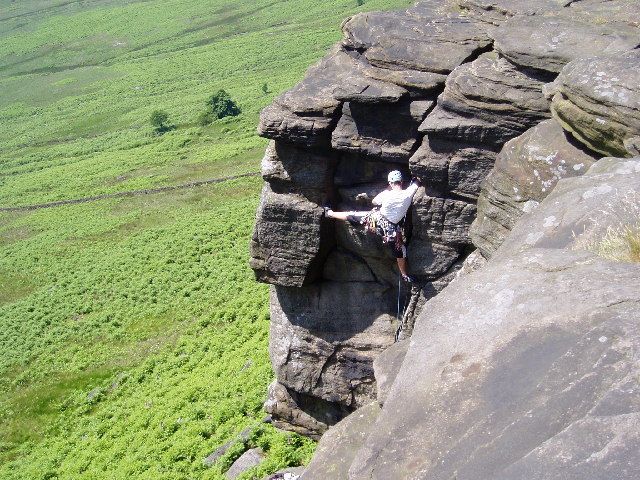
Stanage Edge — CC BY-SA 2.0 via Geograph.
| Location | Best season | Conditions to expect | Good for |
|---|---|---|---|
| Winnats Pass | Spring / Autumn | Exposed, can be windy | Dramatic rock and sky studies |
| Monsal Head | Spring / Summer | Sheltered dale, busy in summer | Viaduct and valley views |
| Dovedale | Spring / Autumn | Sheltered valley, muddy in winter | Water, reflections, rock pinnacles |
| Mam Tor ridge | Summer (calm days) | Very exposed, wind risk | Panoramic value studies |
| Stanage Edge | Summer / Autumn | Exposed above, sheltered below | Gritstone and moorland |
| Castleton | Year-round | Village setting, some shelter | Architecture and valley |
Practical Tips for Painting in the Peak District
Access and parking
Most of the locations in this guide are served by National Park pay-and-display car parks. Expect to pay between £3 and £6 for a full day, and carry change or download the relevant app (RingGo is widely used in the Peak District). Parking at popular spots fills quickly on sunny weekends from Easter onwards. Arriving before 9am makes a significant difference at Dovedale, Monsal Head, and Castleton.
Terrain and footwear
Do not underestimate the terrain, particularly at moorland locations. Paths to Stanage Edge and around Mam Tor can be wet and uneven even in dry weather, and waterlogged in autumn and winter. Ankle-supporting footwear is worth wearing even for shorter walks. The valley paths in Dovedale and along the Monsal Trail are easier underfoot but can be slippery after rain.
Mobile signal
Signal in the Peak District is patchy, especially in valleys and on moorland. Download Ordnance Survey maps before you leave (the OS Maps app works offline) and do not rely on live navigation once you are on site. This matters practically if you are walking to a less obvious spot along Stanage Edge or exploring the Manifold Valley.
Managing tourists and onlookers
At busy locations, particularly Dovedale stepping stones, Monsal Head viewpoint, and Winnats Pass, you will attract curious passersby. Most people are genuinely interested and will move on quickly if you are clearly absorbed in your work. Early mornings sidestep most of this entirely. If you find the attention distracting, position yourself slightly off the main path where possible, which also tends to give you a more interesting viewpoint than the obvious tourist spot.
Keep your kit manageable
The Peak District involves walking. Most of the best spots require at least a short walk from the car park, and some involve rough moorland paths. A compact pochade box and a daypack will serve you far better than a full French easel and multiple canvases. Pack light, and consider smaller panel formats: a 6x8 or 8x10 is perfectly suited to the kind of fast, responsive studies the landscape rewards.
Plein Air Painting Courses and Workshops in the Peak District
If you are visiting the Peak District for the first time and want the support of a tutor and a group, multi-day painting holidays in the region are available. Typical pricing for structured courses runs from around £625 to £925 per person for a multi-day residential programme, covering either watercolour or oils (some courses offer both). These usually include guided location visits, tutor feedback on your work, and accommodation.
The advantage of a structured course is that someone else has already worked out the best spots and timings, which is useful when you are unfamiliar with the landscape. You also get the benefit of painting alongside other people, which many painters find genuinely motivating when they are developing their outdoor practice.
Offerings change year to year and operators come and go, so rather than list specific providers here it is worth searching for current Peak District painting holidays and checking recent reviews before booking. Look for courses that include a mix of Dark Peak and White Peak locations, so you get exposure to both landscape types.
Making the Most of a Peak District Painting Trip
Plan a route that covers more than one landscape type
The Peak District is compact enough that you can move between Winnats Pass and Dovedale in under half an hour. A well-planned day trip can give you a morning session on exposed moorland or gritstone and an afternoon in a sheltered dale: two completely different painting experiences, different tonal conditions, different subjects. Think about what you want to work on and choose locations that complement rather than repeat each other.
Return to the same spot
Winnats Pass in sharp autumn light is a different painting from Winnats Pass on an overcast spring morning. The same viewpoint at Stanage Edge at 7am in June and at 4pm in October are effectively two different pictures. The Peak District genuinely rewards repeat visits: the landscape does not run out of material, and returning to a spot you already know means you can spend less time orientating yourself and more time painting.
Think of it as an ongoing subject
Some painters treat the Peak District as a recurring destination rather than a one-visit trip, building a body of work from the same locations across seasons and years. The variety of the landscape supports this well. You could spend a year painting Dovedale alone and not exhaust what it offers. If you are within easy driving distance of the national park, that kind of sustained engagement is well worth considering.
The Peak District is one of the most accessible, varied, and consistently rewarding plein air painting destinations in England. With some preparation around timing, kit, and weather, it delivers the kind of painting sessions that are worth the early alarm and the walk.
FAQ
Frequently Asked Questions
When is the best time to paint in the Peak District?
Spring and autumn are ideal for sheltered dales and clear rivers. Summer is best for low sun on gritstone edges, but expect more visitors. Overcast days often give useful, consistent tonal light.
What kit should I bring for exposed moorland?
Pack a compact pochade box, small panels (6x8 or 8x10), a weighted bag for tripods, waterproof layers, and ankle-supporting boots. Travel light rather than carrying a full French easel.
Which locations suit specific subjects?
Stanage Edge and Mam Tor for gritstone, panoramas and value studies; Dovedale for water, reflections and rock pinnacles; Winnats Pass for strong geometric compositions; Monsal Head and Castleton for architectural and valley views.
How should I handle unpredictable weather and wind?
Always check the forecast, carry a rain layer, and have sheltered alternatives like Dovedale or the Monsal Trail. In wind, use a handheld pochade or small panels rather than a large easel.
What about parking, access and crowds?
Most sites use National Park pay-and-display car parks (RingGo supported). Arrive before 9am to avoid crowds at popular spots. Move a little off the main path for better viewpoints and fewer onlookers.
Author

PleinAirPainting Editorial Team
PleinAirPainting.co.uk helps artists paint outdoors with confidence through UK-focused guides, equipment advice, resources and plein air inspiration.