Spring Plein Air Painting: How to Make the Most of the Season
A practical guide to spring plein air painting in the UK: handle fast light, pick a clear focal point, layer for changeable weather, check kit, and aim to finish small, focused panels.

Key takeaways
- • Spring light is directional and paintable: warm sunlit areas with cool blue-violet shadows.
- • Work quickly: establish values and main shadows in the first 15–20 minutes and use thumbnails to simplify.
- • Choose one clear focal point such as a tree in blossom or a bank of bluebells and let other elements support it.
- • Prepare for variable weather: layer clothing, use a stable pochade or weighted tripod, and check oil mediums after winter storage.
- • Use a limited palette and small panels (8x10 or smaller) to finish decisive, disciplined studies.
After a winter spent largely indoors, the urge to get outside with a paintbox is difficult to ignore. Spring in the UK arrives unevenly, one warm afternoon followed by a frost, then three days of grey drizzle, then suddenly the hedgerows are full and the light is extraordinary. That unpredictability is part of what makes spring plein air painting so rewarding. This article covers what changes as the season shifts, how to handle spring light and fast-changing conditions, what to look for in terms of subject matter, and how to stay comfortable enough to actually paint.
What Makes Spring Different for Outdoor Painters
Every season has its particular character, but spring is arguably the most dynamic. The landscape changes faster than at any other time of year, the light is genuinely distinctive, and the window for certain subjects (blossom, bluebells, fresh green) is narrow enough that timing actually matters. If you leave it a fortnight, the scene you had in mind can be completely transformed.
The Quality of Spring Light
Spring light in the UK sits at a noticeably low angle until well into May. The sun rises earlier each week and the golden hour stretches longer than in summer, giving you warm, raking light in the morning and a softer version of the same late in the afternoon. This is quite different from summer light, which climbs high and flattens everything by mid-morning. Spring light has direction. Shadows are long, form is clearly defined, and the contrast between warm sunlit surfaces and cool blue-violet shadows is one of the most paintable combinations the season offers.
The freshness of the air in spring also affects visibility. On a clear April morning after overnight rain, the distance is sharp and atmospheric perspective operates more subtly than in the haze of August. This changes how you handle the background: it tends to stay more colourful and present than you might expect.
How Fast the Landscape Changes
This is the thing that catches painters out. Blossom on a pear tree can be fully open on Tuesday and half gone by Friday. Bluebell carpets in woodland peak for a week or two and then fade. Hedgerows that were bare at the start of April are thick and compositionally dominant by the end of the month.
The practical implication is that if you find a subject you want to paint, paint it soon. Do not put it off hoping for better weather. And if a particular location interests you, consider visiting it two or three times across the season. The same view of an orchard looks entirely different in mid-March (bare branches), late April (full blossom), and late May (leafed out, blossom gone). Working the same spot across the season is a genuinely instructive exercise.
Choosing What to Paint in Spring
Spring offers a wider range of distinct subjects than most seasons. The temptation is to try and paint everything. It is more useful to pick one thing and let it anchor the painting.
Start with one clear focal point
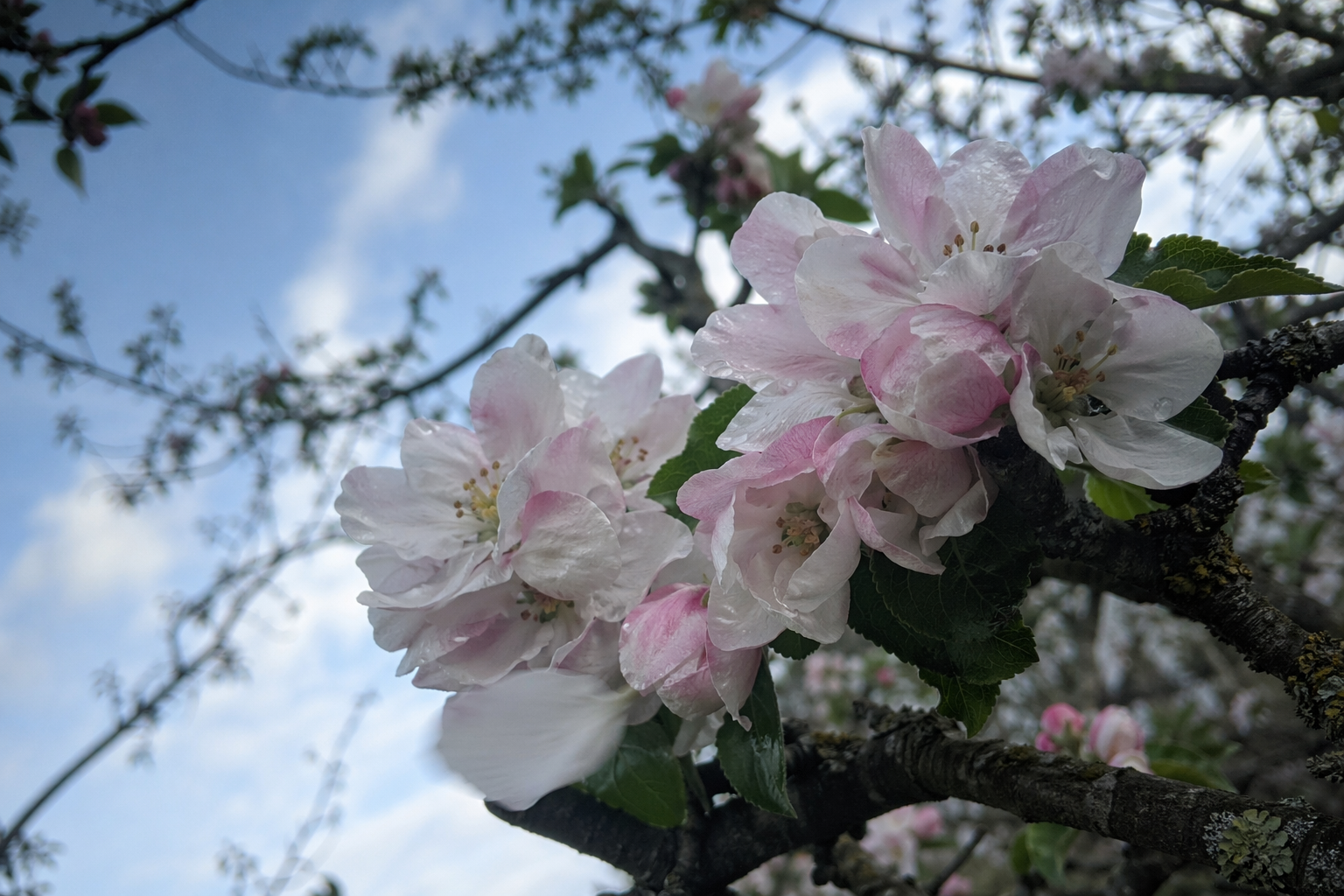
Spring landscapes can feel overwhelming, especially when blossom is everywhere. Pick one thing you want to paint and let everything else support it. One tree in bloom, one bank of wildflowers, one stretch of hedgerow.
Blossom is the most obviously painterly spring subject. Fruit trees (apple, pear, cherry, plum), blackthorn along hedgerows, and hawthorn in May all offer different characters. The challenge with blossom is not going too fussy: painting individual flowers produces a tight, laboured result. The better approach is to mass the blossom as a light shape against the sky or landscape, and then suggest a little structure without articulating every bloom. Think in terms of value and silhouette first.
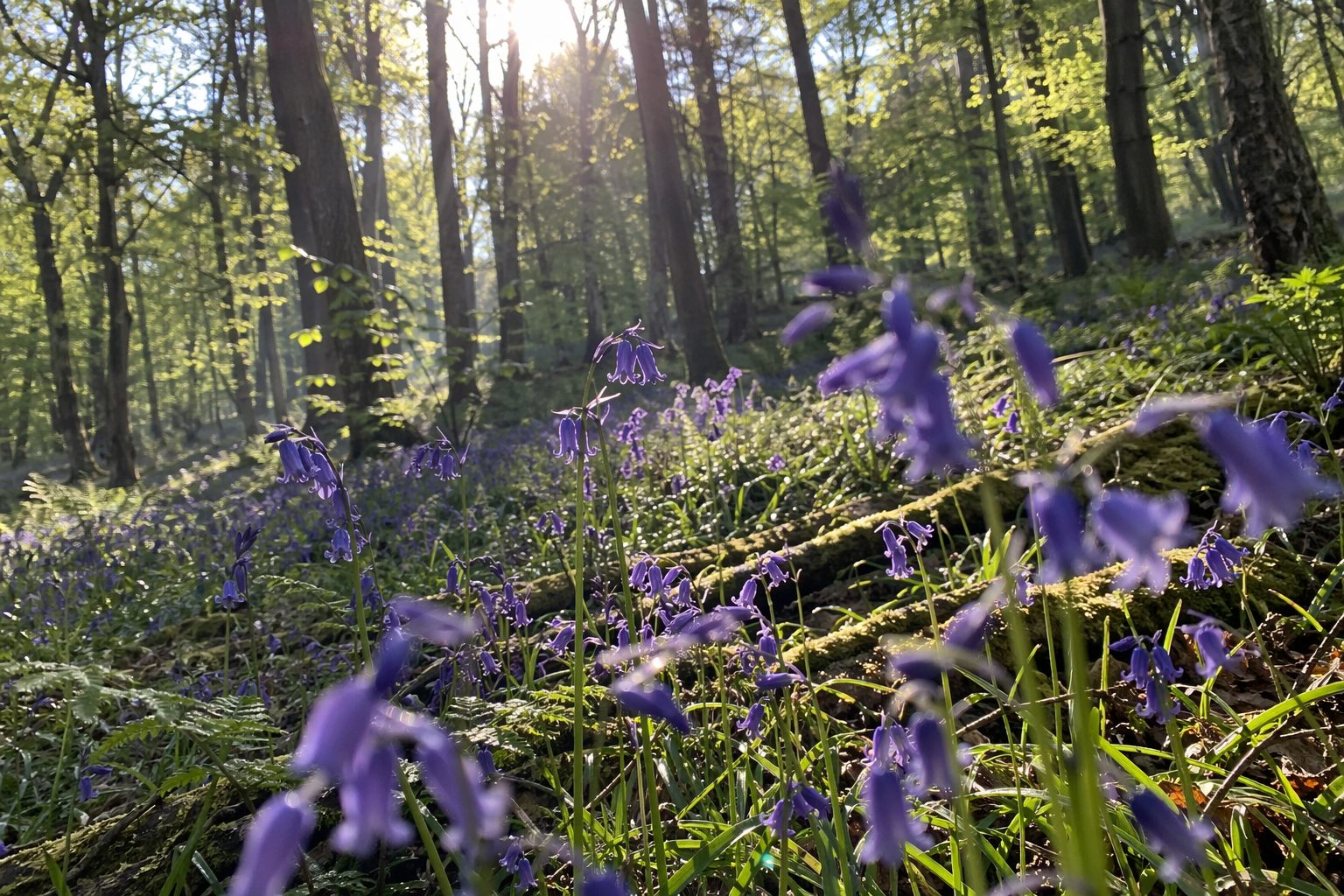
Bluebells deserve particular attention because woodland light creates a painting environment quite unlike open fields. In late April and early May, the canopy above a bluebell wood is not yet fully closed. Light comes through in patches and moves quickly. The colour of bluebells in mass reads as a cool blue-violet, but individual flowers are quite different up close. Avoid trying to match each flower; instead, look at the overall temperature and value of the carpet against the soil and roots. It is also worth noting that bluebells are protected under the Wildlife and Countryside Act 1981, so set up on a path or established viewpoint and do not disturb the habitat. One sentence of awareness is enough; just be thoughtful about where you place your easel.
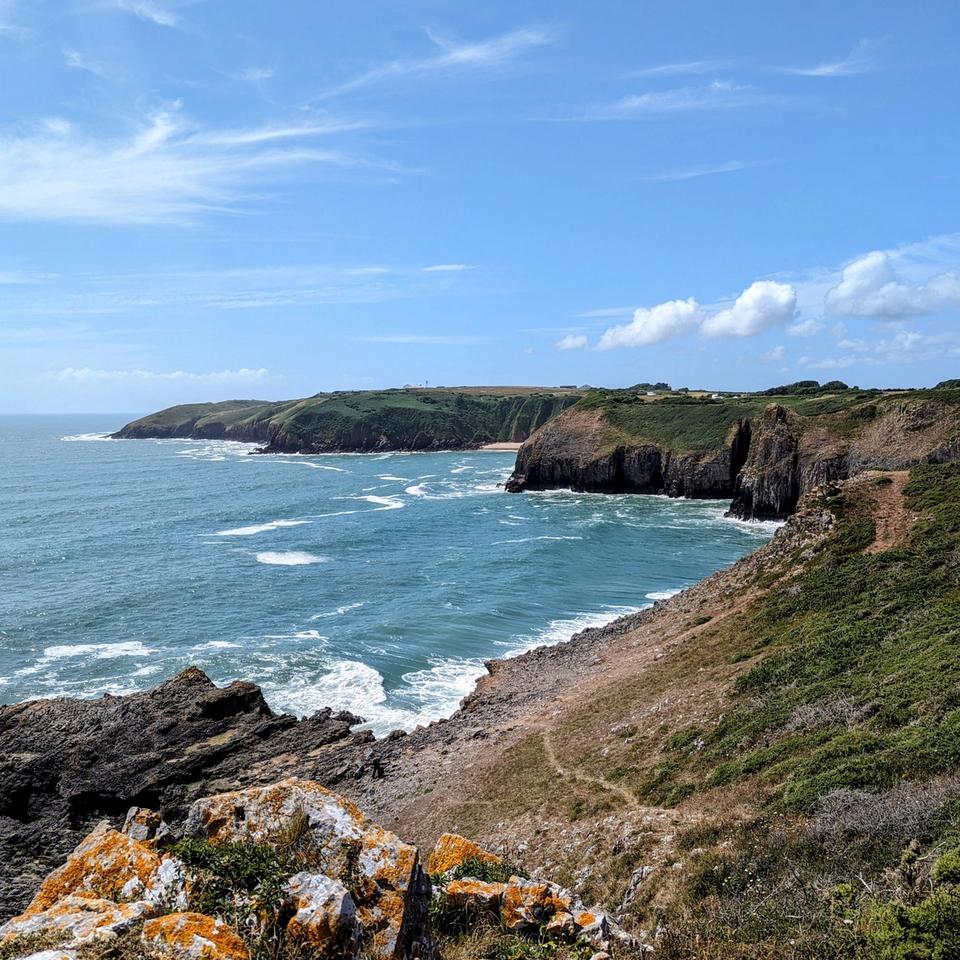
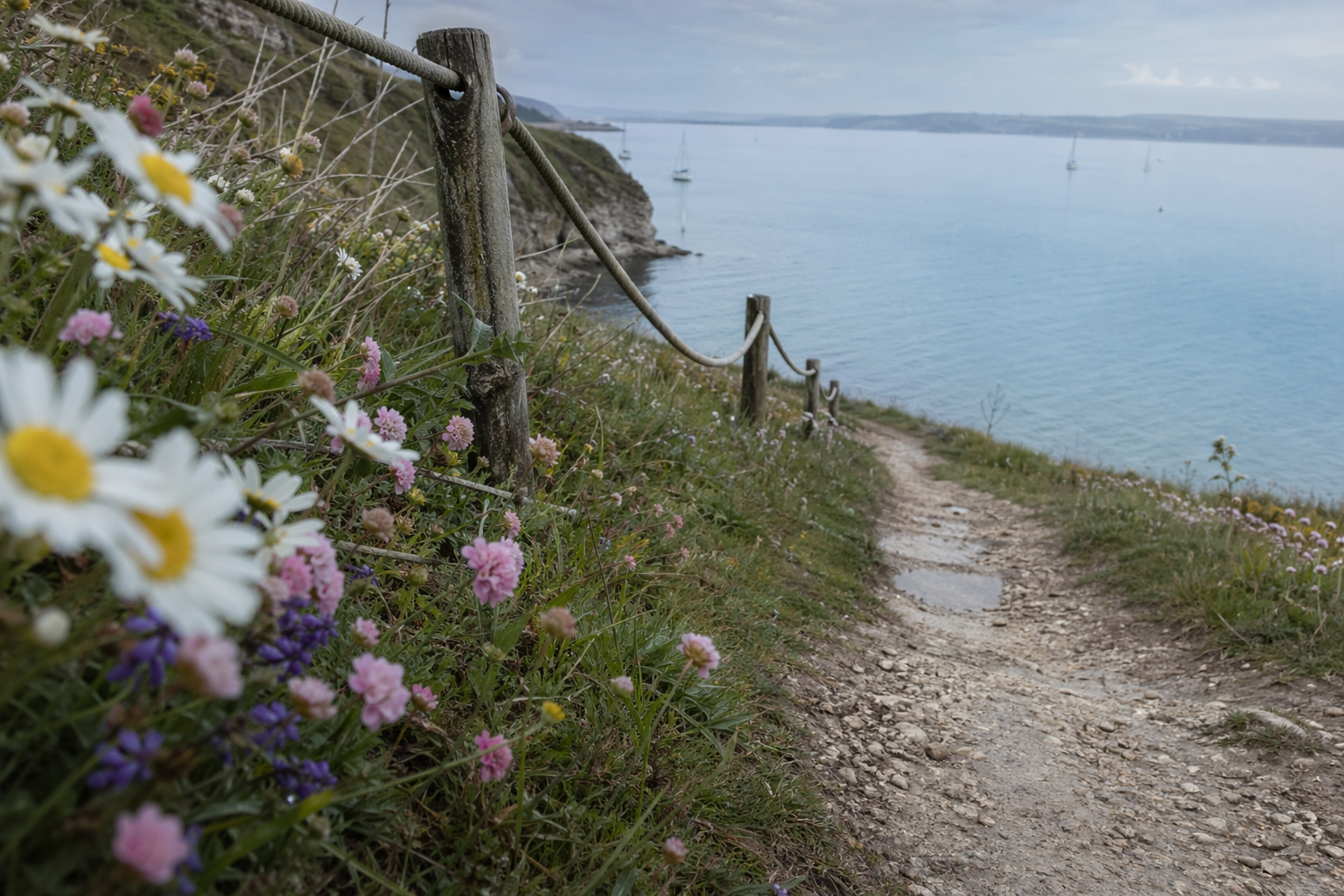
Coastal and estuary scenes come into their own in spring. Sea light at this time of year has a clarity that summer haze takes away, and the coastal paths in Cornwall, Dorset, and Pembrokeshire are dramatically less crowded before the summer season begins. Coastal wildflowers (sea campion, thrift, yellow gorse) add colour interest that sits well against the cool blues and greens of the water.
Canal towpaths and riverbanks are excellent spring subjects, partly because the vegetation comes in gradually and partly because these locations offer shelter. Willows leafing out, reflections in still water, the occasional narrowboat: these are manageable, accessible compositions with plenty of tonal variety.
Farmland and lambing fields offer a particularly British pastoral quality. Rolling fields with ewes and lambs, stone walls, and hedgerows beginning to green up are the kind of subjects that sit naturally in a long tradition of British landscape painting. They reward a quiet, unhurried approach.
Urban parks should not be overlooked, especially for artists based in cities. A park in blossom season offers all the visual interest of the countryside with easier access, public benches, and nearby facilities. For beginners especially, a familiar urban park can be the ideal place to develop confidence before heading into open countryside.
Handling the Light in Spring Plein Air Painting
Spring light is often what draws painters outside, and also what frustrates them most. It is genuinely beautiful and genuinely fast-moving. The techniques that serve you best are ones that commit early and adapt carefully.
Work Quickly and Commit Early
The most useful discipline in spring painting is establishing your light effect in the first fifteen to twenty minutes. Decide where the sun is. Block in your shadows while they are where you want them. Do not chase the light as it moves. If you have established a lit passage on the left of a tree and the sun has since moved, leave it. Repainting shadows every twenty minutes produces muddy, unconvincing results and a painting that records indecision rather than a moment.
A small tonal thumbnail before you begin (five minutes, pencil or brush) is worth doing in spring more than any other season. The foliage and flowers can make the scene harder to read quickly than an open winter landscape, and a thumbnail forces you to simplify before you commit to a panel.
Colour Temperature in Spring
Early spring greens are yellow-green, much warmer than the blue-greens of summer. This catches out painters who reach automatically for viridian or a ready-mixed landscape green. In March and April, fresh growth reads more like a yellow with green in it than a green with yellow in it. Lemon yellow or cadmium yellow mixed with a little ultramarine gets you much closer than most proprietary greens.
As the season progresses into late spring, those yellow-greens deepen and cool. By early June, the palette has shifted noticeably. Painting the same location in April and again in late May will show you this shift more clearly than any description.
A limited palette works particularly well for spring landscape. French Ultramarine, Cadmium Yellow (or Hansa Yellow for a cooler, lighter version), Titanium White, and a warm red such as Cadmium Red or Indian Red will give you most of the tones you need. The discipline of a limited palette also keeps your colour relationships coherent when the scene itself is busy.
For watercolour painters, spring asks you to reserve your whites early. Spring skies can be bright and fast-changing, and once you have put paint on those areas it is difficult to recover the freshness. Plan your whites before you start, not halfway through.
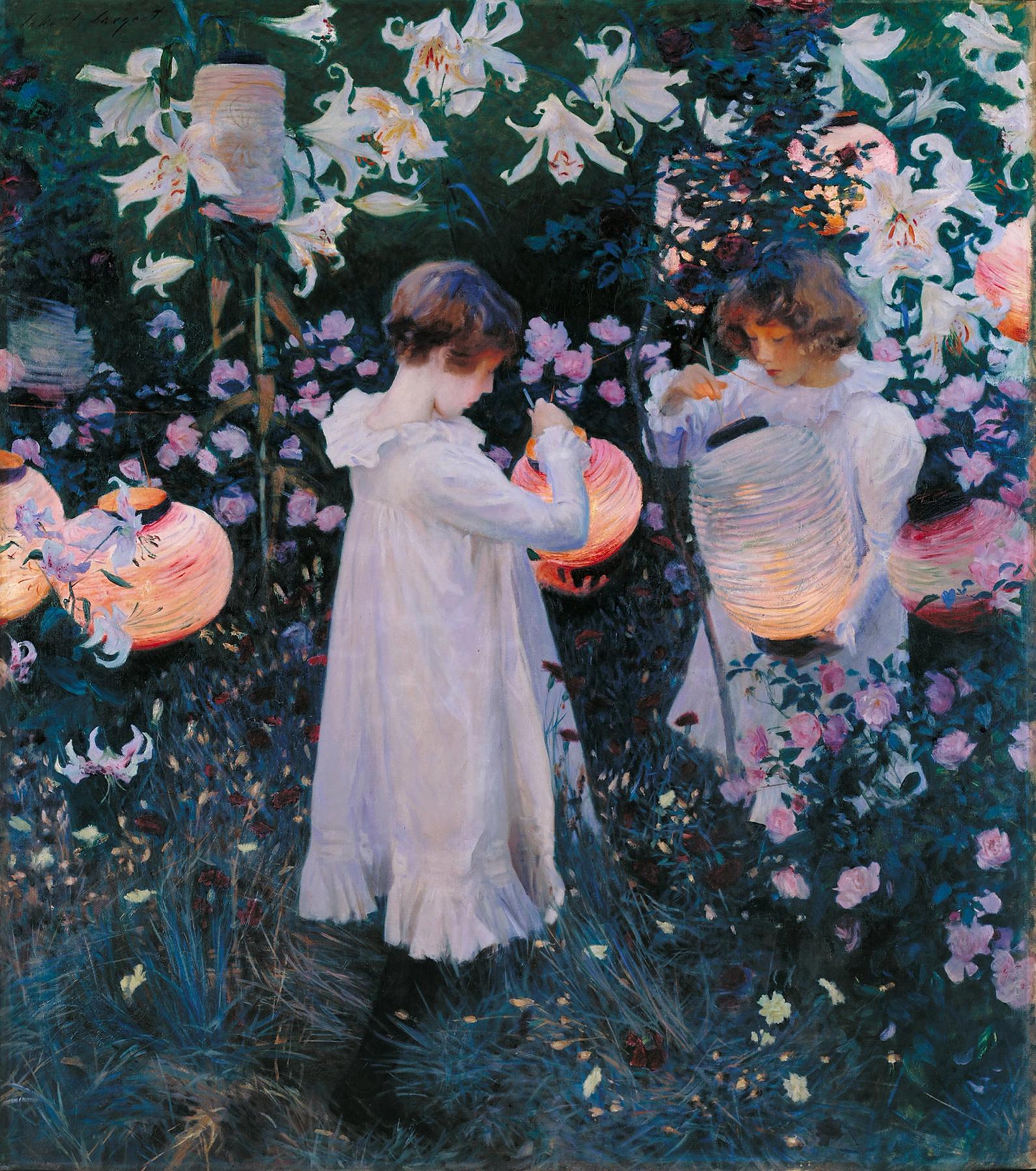
John Singer Sargent, Carnation, Lily, Lily and Rose, circa 1885. by John Singer Sargent; image via Google Arts & Culture — lAGrEoFGzGZEEQ Tate Images; Public domain.
| Season | Light temperature | Shadow temperature | Dominant greens |
|---|---|---|---|
| Early spring | Warm (yellow-gold) | Cool blue-violet | Yellow-green (fresh growth) |
| Late spring | Warm but softer | Cool blue-green | Fuller, varied green |
| Summer | Cooler overhead | Warm reflected light | Blue-green, deep |
| Autumn | Warm amber | Purple-brown | Ochre, russet, orange |
Managing Fast-Changing Light
Set a timer when you arrive on location. Twenty minutes is a useful interval. When it goes off, assess: has the light shifted significantly? If so, hold to your original reading rather than updating the whole painting. The most common mistake is creeping revision, adjusting shadows, then lights, then shadows again, until the painting has lost any sense of a specific moment.
Practical tactics help here. Photograph your subject when you arrive, not to paint from, but to have a reference for where the shadows were at the start. Mark your easel position so you can return to the same spot if you need to come back on another day to finish.
Coping with British Spring Weather Outdoors
British spring does not consistently deliver warm afternoons and gentle breezes. March can still produce a hard frost overnight. April is often wet and changeable. Even May, which is probably the most reliable month of the three, can throw a cold north wind or a sudden shower. Acknowledging this honestly is more useful than hoping it will not apply to you.
Layering for Variable Temperatures
Spring mornings can be cold enough to make holding a brush uncomfortable, and by early afternoon the same location can feel warm enough to paint in a light jacket. Layering is the only practical approach: a base layer, a mid layer, and a windproof or waterproof outer layer that can be shed as the day warms.
If the temperature is genuinely low, thin painting gloves with the fingertips cut away are a workable solution. It is not elegant, but cold fingers make for hesitant, unconfident mark-making, and that is worse for the painting than wearing gloves.
Wind and Rain
Wind creates specific problems for painters. For oil painters, it accelerates surface drying unevenly and can blow dust or debris onto a wet panel. Canvas on a field easel can act like a sail in a stiff breeze, making the whole setup unstable. A pochade box mounted on a sturdy tripod is considerably more practical on windy days than a full field easel: lower profile, more stable, and faster to set up.
Watercolour painters face a different wind problem. Humidity and wind together make drying times highly unpredictable. On a dry, breezy day, washes dry almost instantly, which can be useful for granulation effects but disastrous if you need to keep an area wet. On a humid, still day, drying slows considerably. Neither condition is wrong; they simply require adjustment.
Weight your tripod if conditions are gusty: a bag of stones or a filled water bottle hung from the centre column makes a real difference.
Making the Most of Overcast Days
Overcast spring days are underused and undervalued. When cloud diffuses the light, shadows soften or disappear entirely, tones become more even, and colour relationships are easier to read. There is no racing against the sun moving across the sky. For colour mixing in particular, these conditions can be more instructive than bright sunshine, because the relationships between colours become clearer when harsh contrast is removed.
The greens of spring under overcast light are subtle and beautiful: cool, silvery, varied. They reward careful looking rather than quick, confident decisions. If you have been waiting for a clear sunny day before heading out, consider going on the next overcast morning instead.
Spring Plein Air Kit: What to Check Before You Go
Check your kit before the season starts
Spring is a good moment to go through your outdoor painting kit after the winter. Check that mediums haven't thickened, brushes are clean and dry, and your palette knife isn't rusting at the join.
Oil painters should pay particular attention to their mediums after cold storage. Linseed oil and alkyd mediums can thicken or partially solidify if stored in a cold shed or car boot over winter. Bring more medium than you think you need on your first outing, and consider replacing anything that has gone off.
A pochade box comes into its own on windier spring days. The compact, self-contained setup is easier to manage than a separate easel and palette, and many models include a panel holder that keeps your work secure even in a breeze. If you have been considering moving to a lighter setup, spring is a good moment to trial one before summer.
Watercolour painters should note that spring moisture in the air and on grass can affect paper. Cold-pressed paper absorbs differently when slightly damp, and blocks dry more slowly than expected. Clips or stretching beforehand helps keep the paper stable.
Sun protection is genuinely needed from March onwards. Spring UV is consistently underestimated, partly because the temperature does not feel warm and partly because early-season sessions often involve facing into direct light. Sunscreen on the face and hands, and a hat with a brim, are not optional considerations.
For those who are susceptible: hayfever season overlaps significantly with the best spring painting conditions. April and May are high pollen months. Antihistamines, eye drops, and awareness of high-pollen days are worth building into your planning if this affects you. It will not stop you painting, but it is worth being prepared.
A small sketchbook for quick thumbnails is worth its weight on spring outings. Compositions that look obvious at a distance can be surprisingly hard to resolve when you are surrounded by foliage and blossom. Five minutes of thumbnail sketching before you commit to a panel is time well spent.
Where to Go: Spring Painting Locations in the UK
Spring painting at a glance
- Best months to paint outdoors
- March to May
- Peak bluebell season
- Late April to mid-May
- Blossom window
- March to early May
- Typical session length
- 60 to 90 minutes
- Recommended panel size
- 8x10 or smaller
Light improves; weather still variable
Woodland locations especially
Varies by species and region
Light changes quickly in spring
Finish before conditions change
National Trust woodlands during bluebell season are among the most paintable environments in the British spring. They are well-managed, have established footpaths that let you set up without disturbing ground-level plants, and the combination of dappled canopy light and blue-violet carpeting underfoot is genuinely extraordinary. Arrive early: popular bluebell woods fill up by mid-morning on weekends in May.
Coastal paths in spring offer some of the cleanest light of the year. Cornwall, Dorset, and Pembrokeshire are all well-established painting destinations, and the period from March to late May gives you access to these locations well before the summer crowds arrive. Parking is easier, viewpoints are quieter, and the coastal wildflowers are at their best.
Canal networks are an underrated spring resource. The towpath gives you a linear route with constantly varying subjects: bridges, lock gates, narrowboats, overhanging willows, reflections in still water. They are largely sheltered and accessible by foot from most urban areas. The Kennet and Avon, the Oxford Canal, and the Llangollen Canal all offer excellent spring painting.
For open landscape, the South Downs in early spring have a particular spaciousness before the grasses fully establish. The Yorkshire Dales offer field patterns, dry-stone walls, and open skies that suit a direct, confident painting approach. The Scottish Lowlands in May have a freshness and clarity of light that rewards the journey.
For city-based painters, the Royal Parks in London are obvious choices, and Kew Gardens in blossom season is genuinely exceptional. Urban parks across the UK are often overlooked as plein air venues, but they offer accessible, varied subjects in a manageable environment.
A Few Thoughts Before You Head Out
The most common reason painters do not get outside in spring is waiting for conditions to be right. The light is not quite good enough, the forecast is uncertain, the kit needs sorting. In practice, the session you do in imperfect conditions almost always teaches you more than the one you planned but never took. British spring is not going to deliver a succession of warm, windless mornings with perfect golden light. But it will deliver extraordinary subjects, genuinely beautiful light, and a landscape that changes so quickly you will regret the sessions you skipped.
Pack for the weather that is likely, not the weather you want. An extra layer, a waterproof, a flask. Set yourself a modest target: one small panel, 8x10 or smaller, committed and finished rather than large and abandoned. The shorter sessions that spring demands (the light changes, the temperature drops, the clouds roll in) are actually excellent discipline. They force decisions rather than allowing the drifting revisions that longer sessions sometimes encourage.
Spring plein air painting rewards the painter who shows up regularly and pays close attention. Go to the same location across several weeks and watch what changes. Notice when the yellow-greens shift. Catch the blossom before it falls. Get to the bluebell wood before the canopy closes. The season is short and specific and genuinely beautiful, and it is already on its way.
FAQ
Frequently Asked Questions
How do I handle fast-changing spring light when painting outdoors?
Commit your light early: spend the first 15–20 minutes blocking in main lights and shadows, use a five-minute tonal thumbnail, set a timer, photograph the start lighting, and resist continual revisions as the sun moves.
What are the best spring subjects to paint?
Pick one clear focal point: blossom, bluebell carpets, coastal paths, canal towpaths, lambing fields, or urban parks. Let surrounding elements support that focal subject rather than painting every detail.
How should I mix greens for early spring foliage?
Use yellow-led mixes: try Cadmium or Hansa Yellow with a touch of Ultramarine rather than straight viridian. Early growth reads yellow-green and warms the palette compared with summer greens.
What kit and clothing should I bring for spring plein air painting?
Layer clothing (base, mid layer, windproof/ waterproof), sun protection, antihistamines if needed, a small pochade box or stable tripod, extra mediums for oils, and a sketchbook for quick thumbnails.
When is the best time to paint spring scenes in the UK?
March to May is the prime window. Bluebells peak late April to mid-May and blossom spans March to early May depending on species and region. Aim for short sessions of 60–90 minutes.
Author

PleinAirPainting Editorial Team
PleinAirPainting.co.uk helps artists paint outdoors with confidence through UK-focused guides, equipment advice, resources and plein air inspiration.