Plein Air Painting in Norfolk: The Best Spots on the Broads and Coast
A practical guide to plein air painting Norfolk, covering north coast marshes, the Broads, and inland sites. Includes timing, kit and safety tips for painters of all levels.

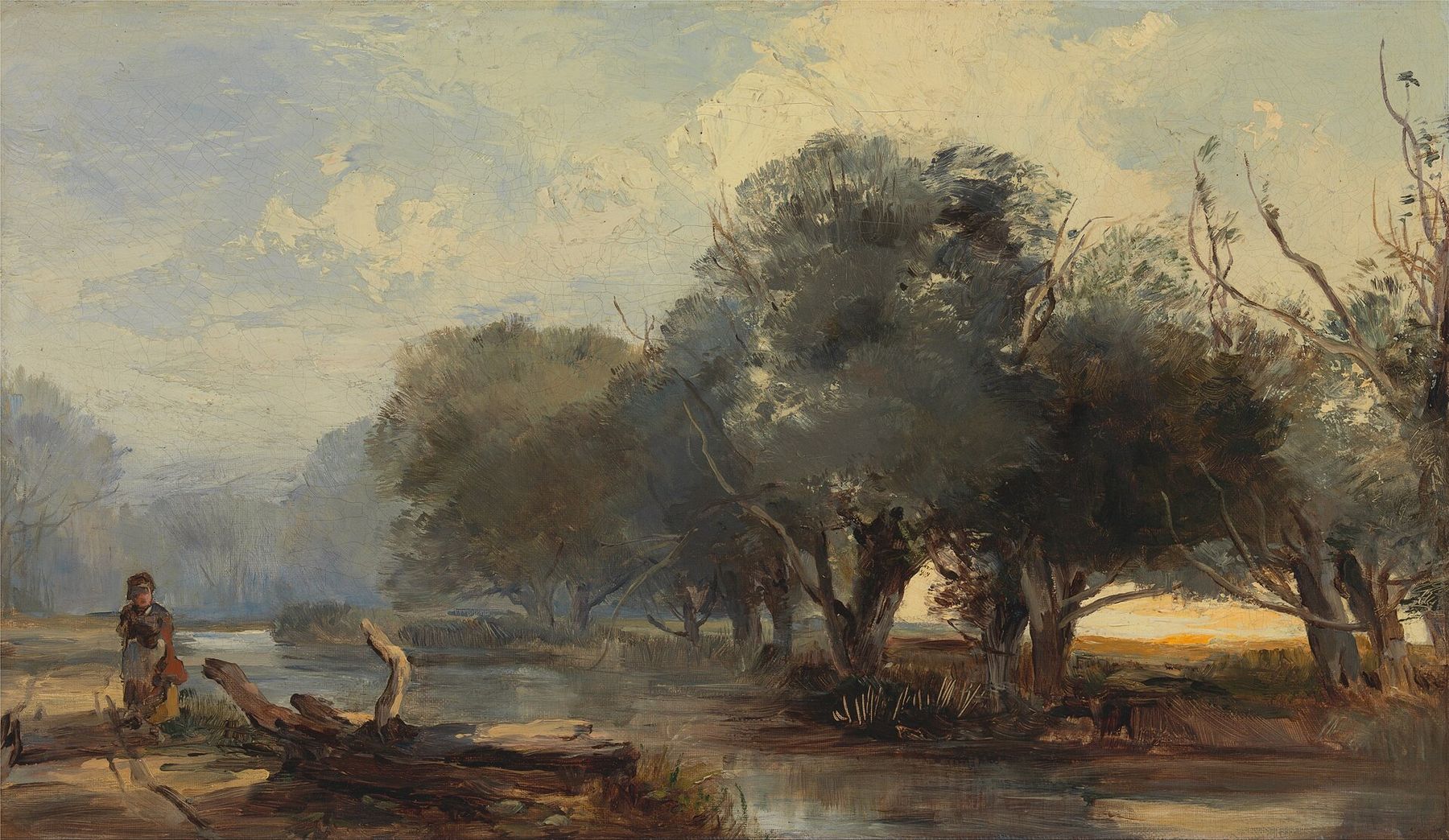
On the Norfolk Broads by Henry Bright.
Credit: Henry Bright; public domain
Key takeaways
- • Norfolk offers varied plein air subjects within short distances, dominated by wide skies and unique light.
- • North Norfolk coast provides dramatic marshes, harbours, cliffs, and strong sunset opportunities at Hunstanton.
- • The Broads reward with softer light, reflections, reedbeds and water viewpoints from towpaths or small boats.
- • Inland Norfolk gives architectural and parkland variety with sites like Blickling, Gooderstone, and Norwich.
- • Practical advice: work small, manage wind with a pochade and tripod, and plan tides when painting marshes.
Norfolk has a strong claim to being one of the finest outdoor painting regions in the UK. The light on the north coast moves fast and sits high, the horizon is flat and uninterrupted for miles, and within an hour's drive you can be standing in front of a tidal marsh, a medieval street, a working harbour, or a Broads waterway thick with reeds. That variety, concentrated in a landscape that is essentially all sky, is what keeps painters coming back.
Plein air painting in Norfolk rewards both the day-tripper and the painter who plans a longer stay. This guide covers the best specific locations across the coast, the Broads, and inland Norfolk, along with honest notes on access, conditions, and which spots are best suited to different levels of experience. No festival entry required.
Why Norfolk Works So Well for Outdoor Painting
The flat horizon is the first thing most painters notice. Where hills and trees would normally constrain a composition, Norfolk gives you the decision back: how much sky, how much land, where does the eye settle? That freedom is more demanding than it sounds, and it is part of what makes the county genuinely interesting to paint rather than merely scenic.
The variety within a compact area matters too. North Norfolk coast, the Broads, medieval Norwich, parkland estates: these are all within reach of each other and offer completely different light conditions, subject matter, and compositional challenges. Painters who paint regularly in the region, including through the established Paint Out festival and the numerous residential art holidays based around Burnham Market, consistently cite the quality of the light as the defining factor. That is not brochure language; the low-angle winter light and the luminous summer skies on the north coast genuinely are unusual among UK landscapes.
The North Norfolk Coast: Marshes, Harbours and Open Sky
The north coast is where most painters head first, and with good reason. From Hunstanton in the west to Happisburgh in the east, it offers an almost continuous run of painting subjects: tidal harbours, salt marsh channels, eroding cliffs, beach huts, dune systems, and open sea horizons. It is also the most accessible part of the county, with reasonable road links and car parking at most key points.
Wells-next-the-Sea
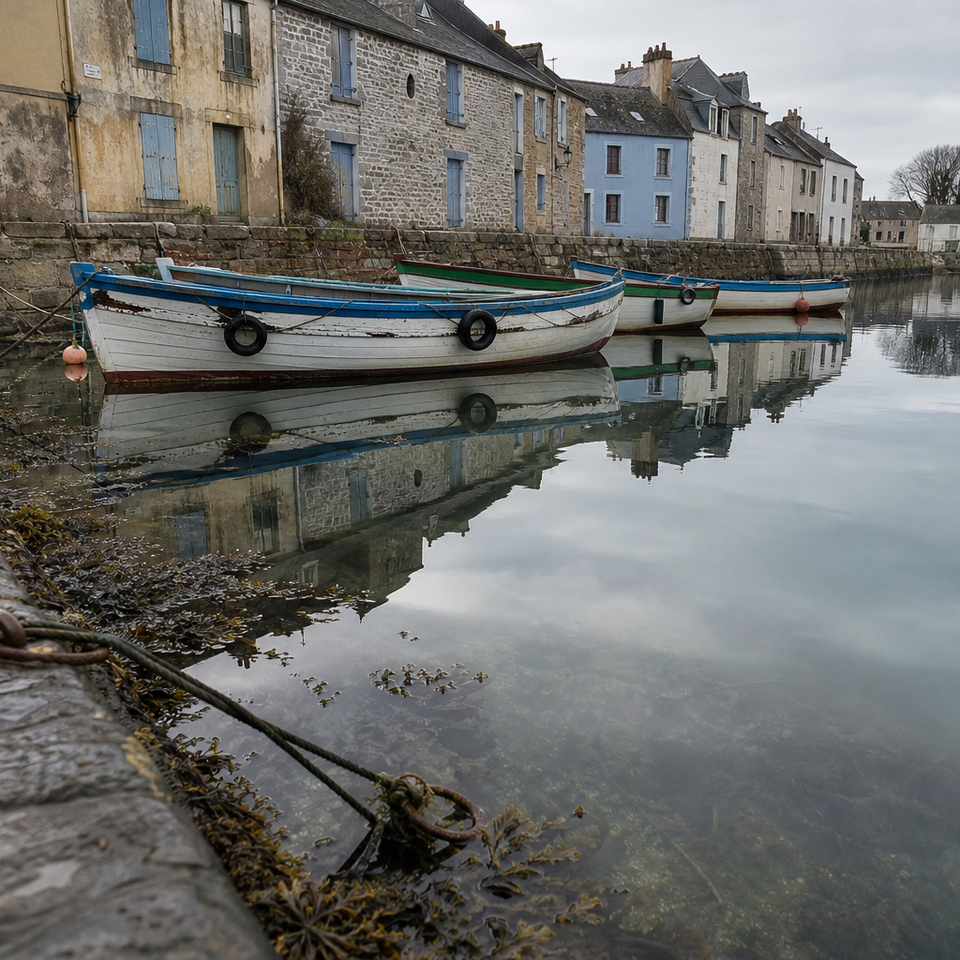
Wells is one of the most consistently rewarding harbours on the north Norfolk coast for painters. The quayside gives you moored fishing boats and crab boats at close range, with the harbour channel running away from you toward the sand dunes and pinewood beyond. At low tide, the boats settle on dark mud and the channel narrows to a thread: this is when the compositional interest peaks, with complex foreground textures, strong diagonals, and the big sky above.
Parking is straightforward at the main quay car park (pay and display). Facilities are good: cafes, public toilets, and enough footfall to make you feel comfortable setting up without drawing a crowd. For a first visit to the north coast, Wells is hard to beat. If you arrive around an hour before low water, you catch the transition from boats floating to boats grounded, which gives you the full range of what the harbour offers.
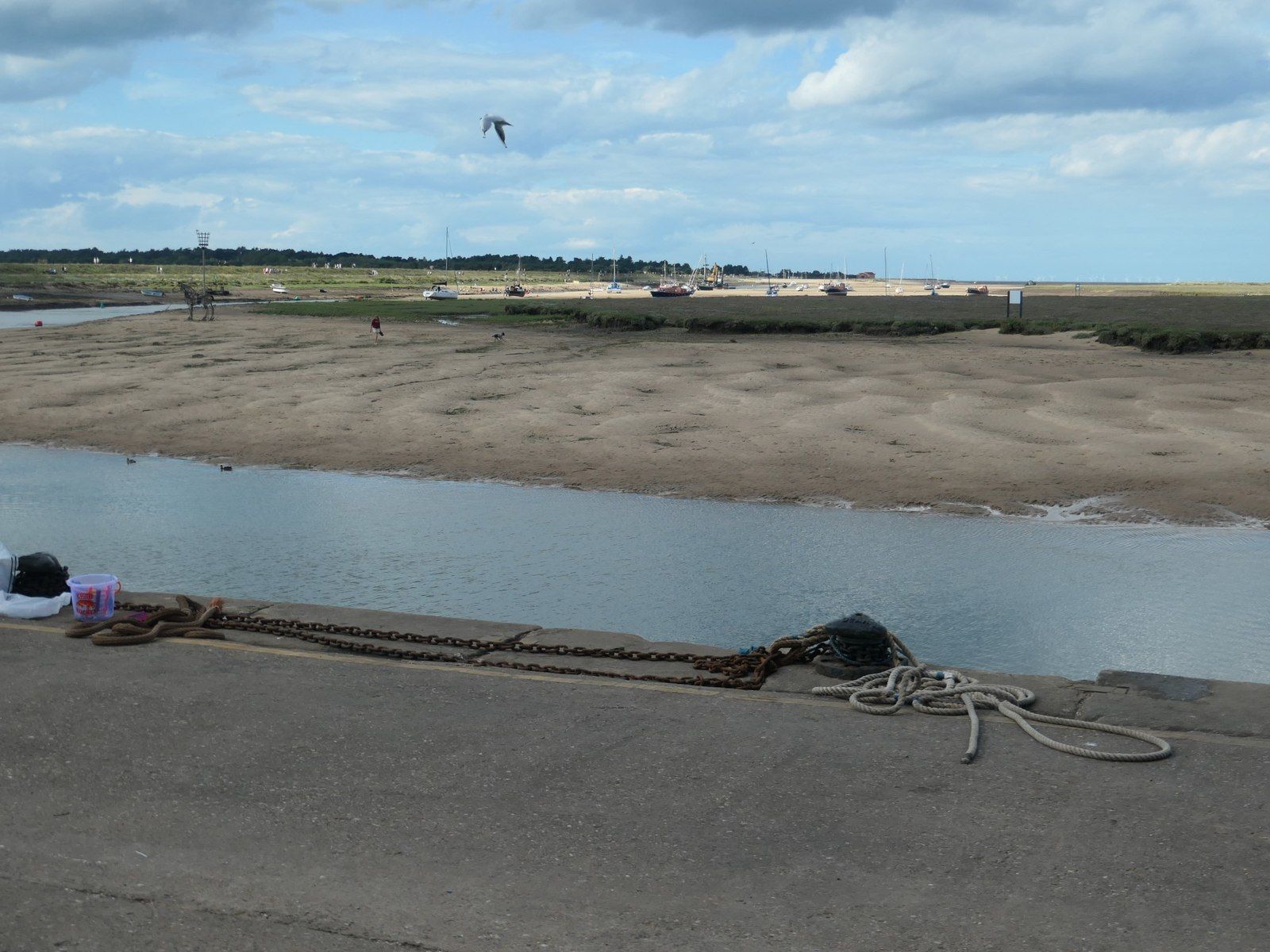
The harbour at Wells-next-the-Sea just after low tide. by Christine Johnstone / Wikimedia — CC BY-SA 2.0
Morston Creek and the Blakeney Area
A few miles east of Wells, Morston and Blakeney are where the north coast marshes feel most exposed and most dramatic. The marsh at Morston stretches flat in every direction, cut through by tidal channels that empty completely at low water to reveal dark, silted mud, stranded dinghies, and the occasional sailing boat leaning at an angle. Blakeney Point sits on the horizon to the north, a smudge of pale dune. The sky takes up most of the picture, and rightly so.
Wind is a genuine consideration here. On exposed days it is strong enough to make a freestanding easel impractical; a pochade box clamped securely to a tripod or held on your lap is a more sensible approach. Arriving early also matters: morning light on the marsh, before the summer visitors arrive, is often the best light of the day.
A safety note: At Morston and similar marsh locations, tidal channels can fill quickly and the mud at the water's edge is soft and can be deceptive underfoot. Always paint from a firm, elevated position well back from the channel edges. Let someone know where you are going if you are heading out alone to a quieter stretch of marsh.
Tidal marshes: plan before you go
At locations like Morston and Wells, the tide dramatically changes what you can paint. Low tide reveals mud channels, stranded boats and complex foreground patterns. High tide gives you water and reflections. Check tide times before you visit and aim to arrive an hour before low water so you can set up as the landscape transforms.
Burnham Market and the Surrounding Coast
The Burnhams cluster sits slightly inland but within easy reach of the coast at Burnham Overy Staithe and Burnham Deepdale. The area is well established as a base for art holidays, which reflects genuine painterly richness rather than simply marketing convenience. The creeks and staithe at Burnham Overy give you similar subjects to Morston but in a slightly more sheltered position, and the surrounding flint villages add architectural texture to the mix. It is quieter than Wells during peak summer weeks, which can make a real difference when you are trying to work.
Hunstanton
Hunstanton occupies a genuinely unusual position among east coast painting locations: it faces west across the Wash, which means it catches proper sunsets in a way that almost nowhere else on the east coast of England does. The striped cliffs (red chalk above white chalk above dark carstone) provide strong foreground interest and an immediately identifiable subject. The promenade and beach huts add colour and human scale. Facilities are good throughout the season, and access is easy.
For painters who want to capture the north Norfolk coast's reputation for extraordinary light, the hour before sunset at Hunstanton on a clear day delivers it with full force.
The Norfolk Broads: Water, Reedbeds and Reflected Sky
The Broads offer a quieter, more enclosed painting experience than the coast. Light here is softer and more filtered, often diffused through stands of reed and carr woodland. The defining subjects are wide waterways, traditional sailing craft (including the great black-sailed wherries, where you are lucky enough to see one), wind pumps rising above the reeds, and the constant presence of water reflecting sky.
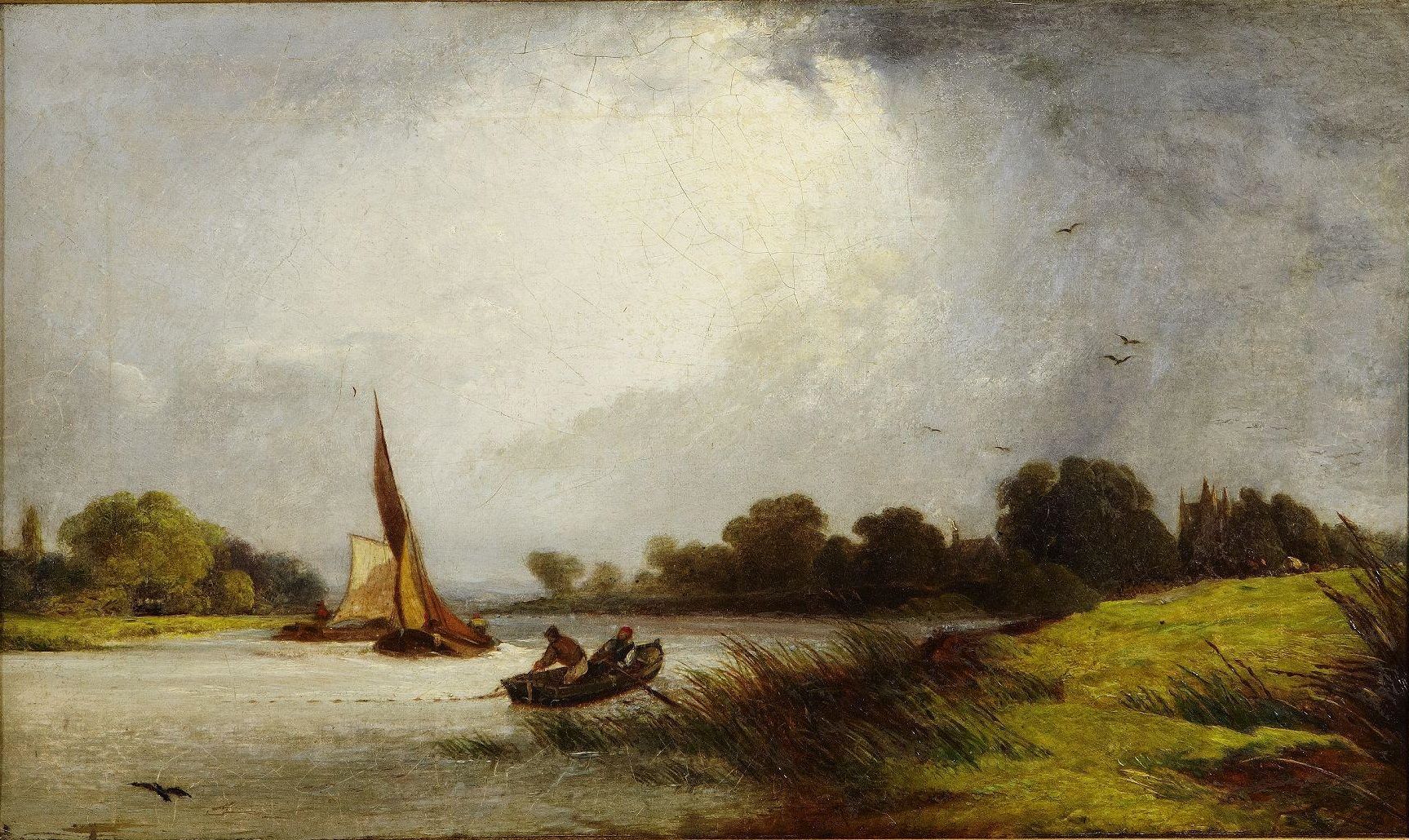
View of the Norfolk Broads by John Sell Cotman.
| Feature | North Norfolk Coast | The Norfolk Broads |
|---|---|---|
| Main subjects | Marshes, harbours, cliffs, sky | Waterways, reedbeds, wind pumps, reflections |
| Light quality | Expansive, fast-moving, dramatic | Softer, enclosed, more sheltered |
| Wind exposure | High – coast and open marshes | Lower – trees and reedbeds provide shelter |
| Access | Mostly by road and on foot | Footpaths, staithes, boat hire |
| Best for beginners | Yes, especially harbours and promenades | Yes, if you stick to towpaths and staithes |
| Facilities nearby | Good in main towns | Variable – quieter villages |
Ludham and the Northern Broads
Ludham is one of the most practical bases for Broads painting. The area around How Hill, a few minutes from the village, gives access to the River Ant, traditional wind pumps, and wide views across open fen. The staithe at Ludham itself is a public access point where you can set up without obstruction. Work from the staithe or along the footpaths that follow the waterway, and you will find multiple viewpoints within a short walk.
Water reflections on the Broads change constantly with the wind and the passage of boats. The light can shift quickly from flat to luminous and back. Working small helps: a 6x8 or 8x10 panel lets you commit to a moment rather than chasing a scene that keeps evolving. If you are there in the early morning before the day boats go out, the water is often glassy and the reflections extraordinary.
Painting from the Water
Several local operators and artists offer kayak and small-boat trips that open up viewpoints inaccessible from the bank: quiet dykes, secluded broads hidden behind reed beds, and sections of river where the bank is private. These are worth exploring if you want to push beyond the standard footpath views. The practical requirement is compact kit: a pochade box that fits in a dry bag or a lap-mounted board, not a freestanding easel. Working from a moving or unstable platform takes some adjustment, but the views you reach can be worth it.
Inland Norfolk: Parkland, Gardens and Market Towns
The coast and Broads tend to dominate painting itineraries, but inland Norfolk offers genuinely distinct subject matter that is often far less crowded.
Blickling Hall and Wolterton Park
Blickling Hall (National Trust) is one of the great Jacobean houses in England, set within formal and informal parkland with a large lake and long formal avenues. For painters, the grounds offer strong architectural subjects, long receding perspectives, and the contrast of managed formal garden against open pastoral landscape. Solo painters can set up on a standard admission ticket; if you are bringing a group or running a workshop, contact the property in advance. Wolterton Park, a few miles away, offers similarly expansive parkland in a quieter, less-visited setting.
Painting at historic estates
Most large estates and National Trust properties allow individual painters to set up an easel in the grounds on a standard admission ticket. If you want to bring a group or run a workshop, contact the property in advance. Many are used to working with artists and are happy to make arrangements, but they need to know about it beforehand.
Gooderstone Water Gardens
A small ornamental garden near Swaffham, Gooderstone is a contained, manageable site with ponds, wooden bridges, and dappled light through mature trees. It does not offer the grand open horizons of the coast, but that is precisely its value: close-range, varied subjects with strong foreground interest, reflections, and the kind of intricate light that flattens under a coastal gust but holds perfectly in a sheltered garden. It is an excellent choice for painters who find open landscapes compositionally overwhelming or who want a more concentrated session.
Norwich: Medieval City and Riverside
Norwich rewards urban painters with a dense concentration of architectural subjects: the cathedral and its close, the castle on its mound, the flint-and-brick facades of the lanes, and the River Wensum winding through the city. The market square is a busy, complex scene with colour and movement. The Paint Out annual competition is based here, which is a reliable indicator of just how much painterly material the city contains.
Practical considerations for painting in Norwich city centre: work compactly, keep your kit out of foot traffic, and be ready to shift position if you are blocking a pavement or access point. The riverside paths between Pulls Ferry and the Cow Tower are generally quieter and give good views of the cathedral and the old flint walls.
Choosing the Right Spot for Your Experience Level
If You're New to Painting Outdoors
Start with sites that offer facilities and a degree of shelter: Wells harbour, the Cromer promenade and clifftop, Whitlingham Country Park on the edge of Norwich (lake, trees, manageable scale), or Gooderstone Water Gardens. These locations give you somewhere to park, a café nearby, and enough visual interest to work from without the added demands of tide planning or strong coastal wind. Wells harbour at low tide is particularly good for a first session: clear subjects, human scale, and the sky doing most of the compositional work for you.
If You Have Some Experience and Want More Challenge
The salt marsh locations (Morston, Horsey, Winterton) and the deeper Broads footpath spots are where the most distinctive Norfolk paintings tend to come from. They ask more of you: tide planning, compositional decisions on a flat horizon with no obvious anchor point, wind management, and the patience to sit with conditions that are constantly shifting. The dune systems at Waxham offer a different challenge again, with broad, spare horizons and sea light that changes by the minute. These are not difficult locations in terms of access; they are demanding in terms of what you actually do once you have set up.
Joining an Organised Event or Course
If you want location knowledge handed to you, or if the prospect of arriving alone at an unfamiliar marsh feels daunting, there are good options. Paint Out Norfolk is the UK's only fully juried plein air competition, based in Norwich and reaching locations across the county. Residential art holidays around the Burnham Market area run through spring and summer with tutored sessions at coastal and inland locations. The Norfolk and Norwich Art Circle and other local societies run regular paint-outs that are open to visiting painters. None of these are essential: the locations in this guide are all freely accessible without joining anything. But they are worth knowing about.
Practical Tips for Painting in Norfolk
Wind is the defining logistical challenge on the coast and across the open Broads. A pochade box on a weighted or pegged tripod is significantly more practical than a freestanding easel at most exposed Norfolk locations. If your current setup catches wind like a sail, address it before you go.
Work small. On the coast especially, the light moves fast and conditions change. A 6x8 to 10x12 inch panel lets you make a complete statement before the scene shifts. Larger formats are possible, but they ask a lot more of you outdoors than they do in a studio.
Mid-toned or neutral grey panels help you judge the strong contrast between Norfolk's bright skies and the often-dark land mass beneath. Starting on a white panel makes that relationship much harder to read at the start of a session.
Early mornings and the hour before sunset offer the most useful light. Midday on the coast tends toward the flat, and the summer sun overhead strips out the horizontal modelling that makes Norfolk skies interesting.
Off-season visits can be surprisingly rewarding. Late autumn and winter give you low sun angles, bare parkland, and far fewer people at the main coastal spots. Sessions will be shorter and you will need to dress seriously, but the light quality from October through February on the north coast is exceptional.
Summer weekends at Wells, Hunstanton, and Cromer fill up fast, both the car parks and the foreshore. An early start (arrive before 9am) or a weekday visit gives you room to set up and work without managing a crowd around you.
Painting in Norfolk: a few useful numbers
- Recommended panel size
- 6×8 to 10×12 inches
- Best season for organised events
- May to July
- Tidal window at marsh locations
- 1 to 2 hours either side of low tide
- Typical session length
- 60 to 90 minutes
Manageable before the light changes
Longer days and more stable weather
Best for mud channels and stranded boats
Shorter in wind or changing light
Norfolk does not require a perfect plan. Pick one area from this guide, check the tide times if you are heading to the coast, pack your kit small, and go. The county rewards painters who show up and stay flexible far more reliably than it rewards those who spend weeks researching the optimal moment. There is no single best spot; the best one is the one you actually get to.
References and Further Reading
FAQ
Frequently Asked Questions
Where are the best spots for plein air painting Norfolk?
Head to the north coast for marshes and harbours (Wells, Morston, Hunstanton, Burnham Overy), the Broads for waterways and reedbeds (Ludham, How Hill, Horning), and inland for estates and Norwich city scenes (Blickling, Gooderstone, Norwich).
When should I paint to get the best light?
Aim for early morning or the hour before sunset. May to July is best for organised events and longer days. Off-season October to February delivers low sun angles on the north coast if you are prepared for cold.
What kit works best for outdoor sessions in Norfolk?
Travel light: 6x8 to 10x12 panels, a pochade box or lap board, a weighted or pegged tripod, mid-toned or neutral grey panels, and windproof clothing. Avoid freestanding easels on exposed sites.
Are there easy locations for beginners?
Yes. Choose harbours and promenades with facilities such as Wells harbour, Cromer promenade, Whitlingham Country Park, or Gooderstone Water Gardens. These offer shelter, parking, and clear subjects.
What safety and practical tips should I follow?
Check tide times for marshes, keep well back from soft mud and tidal channels, secure your kit against wind, let someone know your plans if you go alone, and arrive early on busy summer weekends to find space.
Author

PleinAirPainting Editorial Team
PleinAirPainting.co.uk helps artists paint outdoors with confidence through UK-focused guides, equipment advice, resources and plein air inspiration.