How to Sell Your Plein Air Paintings Online: A Practical Guide for UK Artists
A practical UK guide on how to sell plein air paintings: photograph in diffused light, price by size and cost, pick one sales channel, tell the location story, and package work safely for shipping.

Key takeaways
- • Photograph work in soft, even daylight and include full, detail and edge shots.
- • Price consistently using a size-based formula plus materials and a fair time rate.
- • Choose one sales channel to do well: Instagram, Etsy or Folksy for smaller works, Saatchi Art for higher price points.
- • Write listings that tell the location and light story, then give practical specs and plain-language keywords.
- • Package paintings securely, use tracked services or couriers, and keep sale records and proof of postage.
You've painted outdoors through wind, cold, and the occasional bewildered dog walker. You've got canvases stacked against the studio wall, boards leaning in corners, and sketchbooks full of studies you're genuinely proud of. And now you're wondering what to do with them. If you're asking how to sell plein air paintings online, you're not alone, and you're in the right place.
This guide walks you through the practical steps: how to photograph your work so it actually looks like your work, how to price it without underselling yourself, which online channels are worth your time as a UK-based artist, and how to write listings that make buyers feel something. There's no magic formula, but there is a workable approach, and it's more manageable than it might look from the outside.
Selling your paintings won't happen overnight, and this guide won't pretend otherwise. What it will do is give you a clear picture of where to start and how to build from there.
Why Plein Air Paintings Sell Differently Online
Before getting into the tactics, it's worth understanding what makes outdoor work distinctive as a commercial product, because it genuinely is different from studio painting, and that difference matters when you're presenting it to buyers.
The appeal of outdoor work to buyers
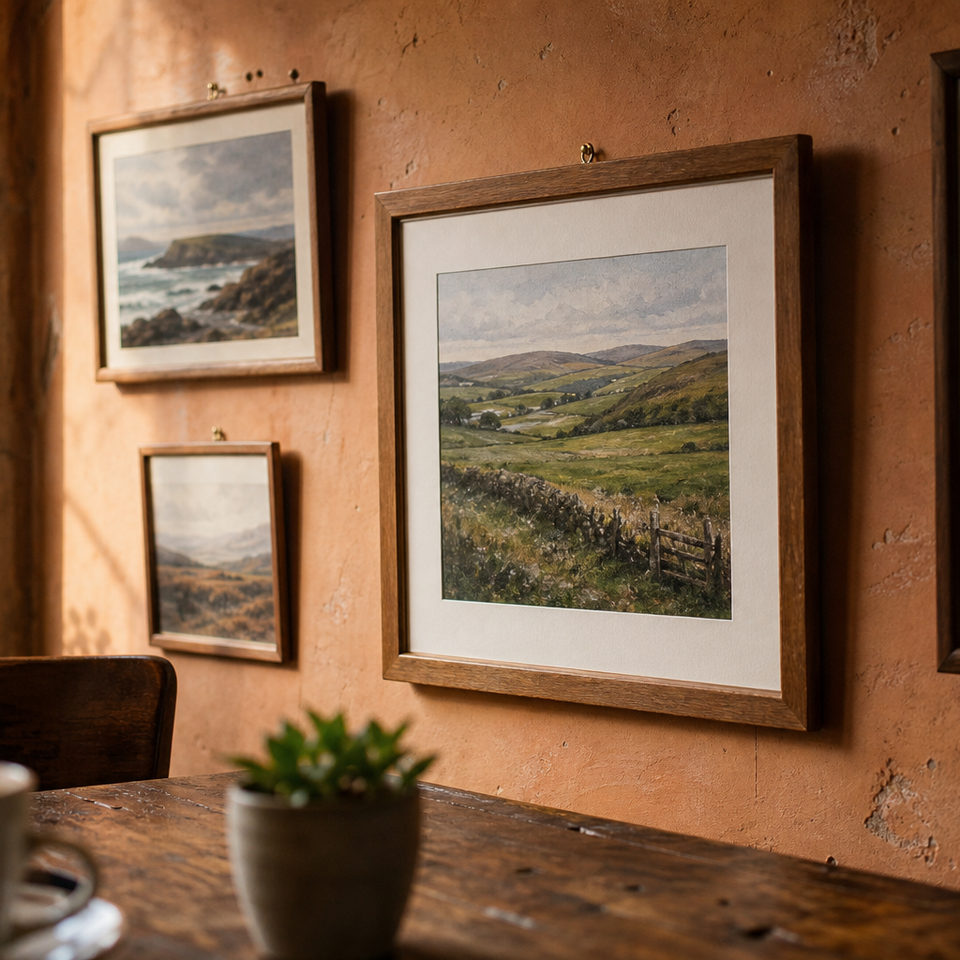
People who buy original art are often buying a feeling as much as an object. Plein air paintings carry something that studio work frequently doesn't: the sense of a real place, painted in real conditions, by a person who was actually there. That's a powerful thing to offer. Buyers respond to the idea that a painting captures a specific afternoon, a particular quality of light, a hillside or harbour that they might know themselves or wish they did.
This is a genuine commercial advantage. Original outdoor studies, even small ones, have a directness and vitality that buyers find appealing, often more so than larger, more laboured work. The trick is making sure that quality comes through when someone encounters your painting on a screen.
The challenge of communicating freshness and place digitally
The difficulty is that everything that makes plein air work compelling, the textured surface, the immediacy of the marks, the slight imperfections that come from painting in moving air, is exactly what a flat digital image struggles to convey. Colour can look muddy or oversaturated depending on the device. Texture disappears. The physical presence of a panel or canvas, that quality you can feel just by looking at it in person, simply doesn't survive a bad photograph.
This is why the sections that follow matter. Getting your work in front of buyers is one thing; making them feel what the painting actually is, through a screen, is the real challenge.
Start With Strong Photography
Poor photographs lose sales before the buyer has even read your listing. This is the single most impactful thing you can invest time in, and it costs nothing beyond some care and attention.
Photography tip
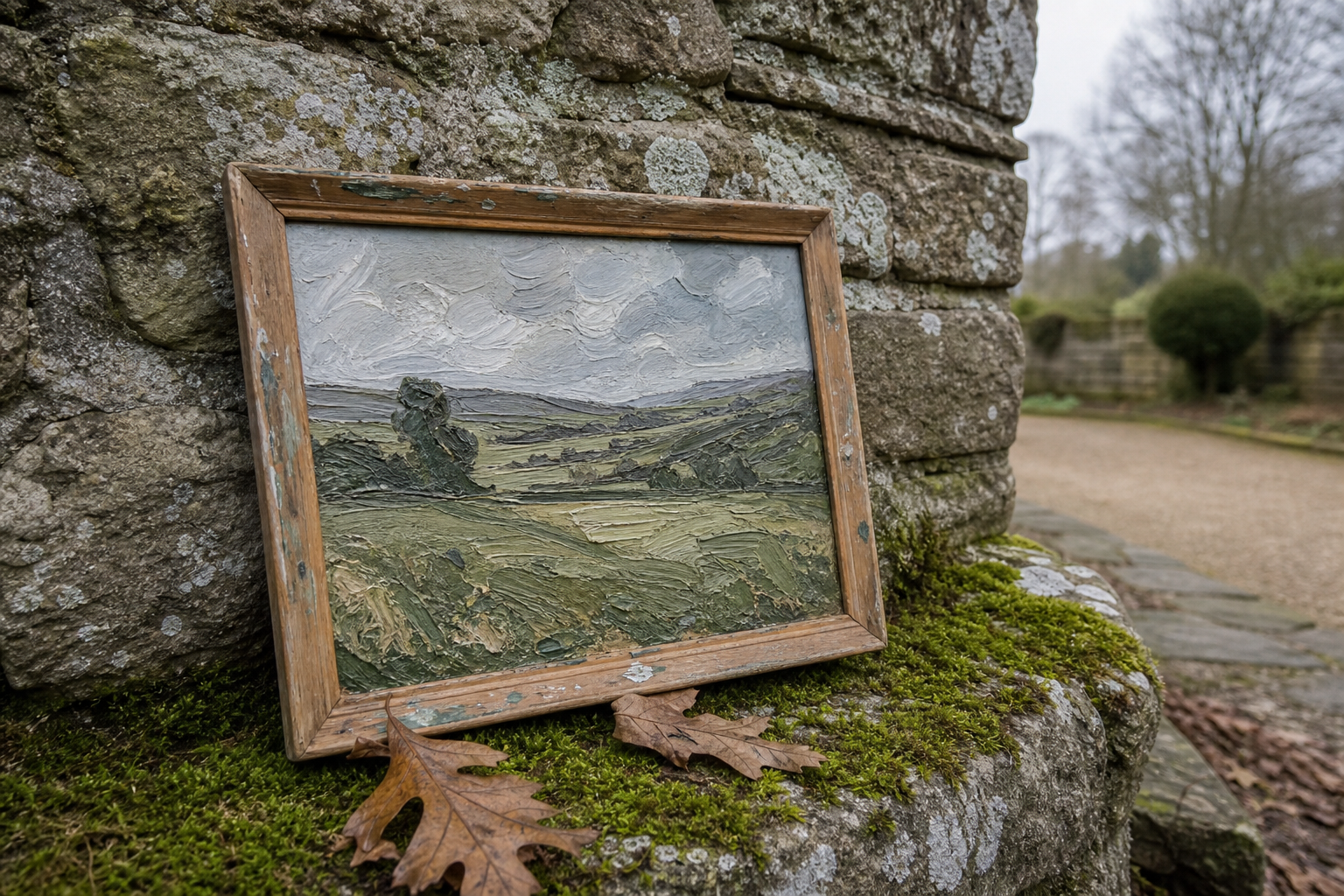
Photograph your painting outdoors in soft, even daylight rather than direct sun. Overcast days reduce glare and give you the most accurate colour reproduction. Avoid photographing in artificial light if you can, as it nearly always shifts the colour balance.
Natural light versus artificial light
Diffused daylight is the gold standard. An overcast day outdoors gives you even, shadowless light that renders colour accurately and doesn't create the hotspots and glare that direct sun produces. If you're shooting inside, position the painting near a large north-facing window on a bright day, never under warm bulbs or fluorescent strips.
Set your painting upright against a plain, neutral surface, ideally a wall or a board covered with white or mid-grey fabric. Use a tripod and shoot perpendicular to the surface to avoid the keystone distortion you get when the camera is even slightly angled. If you're shooting on a phone, most modern smartphones produce excellent results in good light, particularly if you shoot in the highest quality setting available.
How to handle wet or textured surfaces
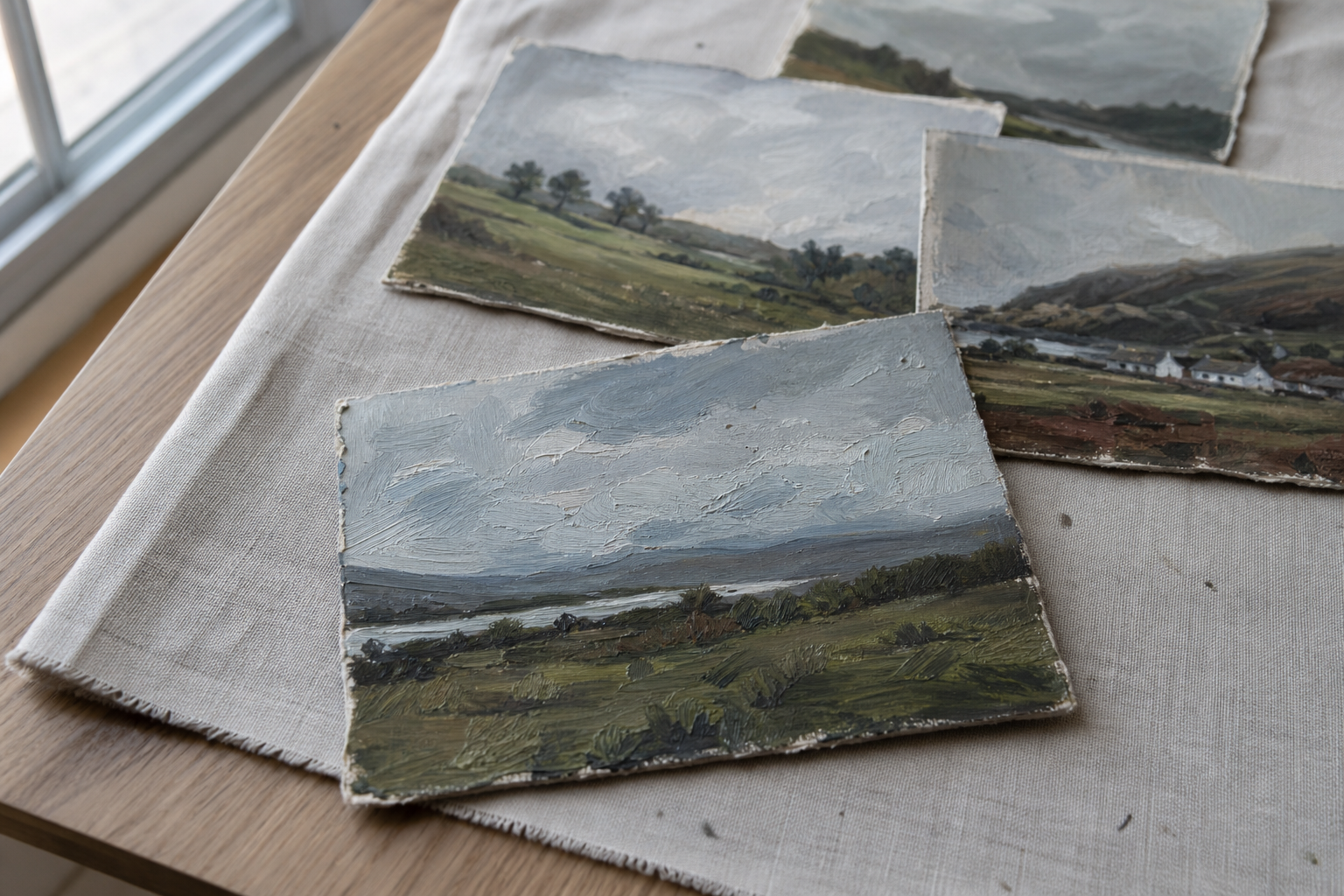
For oil paintings that are still tacky, diffused sidelight can actually be helpful for showing texture. That said, if the surface is genuinely wet, wait. A slightly angled light source at 45 degrees to the painting surface will pick up impasto texture beautifully, which is often a major selling point in plein air work.
Take at least three shots: one full painting against a plain background, one close-up of the most interesting textural area, and one shot that shows the edge or the back of the panel or canvas, which helps buyers understand the physical object they're buying. These detail shots do real work. A buyer who zooms in and sees confident, fresh brushwork is far more likely to buy than one who sees only a flat, compressed image.
Editing: what to adjust and what to leave alone
Edit with a light touch. The goal is accuracy, not enhancement. In Lightroom Mobile, Snapseed, or even the basic editing tool in your phone's gallery, adjust the white balance until the colours match what you see in front of you, correct the exposure if the image is too dark or blown out, and gently adjust contrast if needed.
What to leave alone: saturation. It is almost always tempting to boost it, and almost always a mistake. Over-saturated paintings look artificial and buyers who receive the work expecting vivid colours can be disappointed if the physical painting is more subtle. Represent the work honestly and buyers will trust you for it.
For a deeper walk-through of camera setup, backgrounds, and social-ready cropping, see our companion guide to photographing your plein air work.
How to Price Your Plein Air Work
Pricing is the question almost every artist finds uncomfortable, and it's the one that deserves a straight answer. Many UK artists, particularly those selling outdoor studies, underprice their work significantly, often because they compare themselves to professional gallery artists at one extreme and cheap print-on-demand work at the other. Neither is the right benchmark.
Simple pricing formulas that actually work
A size-based formula gives you a consistent, defensible starting point. Calculate a price per square centimetre (or square inch, if you prefer) and apply it across your work. This doesn't mean every painting of the same size has the same value, but it gives you a floor from which you can adjust for complexity, exceptional quality, or work that has particular personal or commercial significance.
The formula might look like: (canvas length in cm x canvas width in cm) x your rate per square cm, plus materials. Start by looking at what established artists at a similar level are charging on Etsy UK, Folksy, and Saatchi Art, and work backwards to find a rate that feels consistent and competitive.
Accounting for materials, time, and overheads
Track your actual material costs: paint, canvas or board, fixatives, varnish. This is your hard floor; you cannot price below it without losing money on every sale. Add a reasonable hourly figure for your time, including travel to and from location, not just painting time.
You won't always be able to pass all of this on to buyers, particularly early in your selling practice, but knowing your real costs prevents you from gradually burning through both money and motivation on underpriced work.
Pricing consistently across channels
Buyers do look across platforms. If your Etsy shop shows a painting at £85 and your Instagram mentions it's £60, that inconsistency erodes confidence. Set your prices, apply them consistently, and resist the urge to discount originals. Offering free shipping on Etsy (by folding the cost into the price) is a legitimate commercial choice; quietly reducing prices because you're anxious about sales is not a strategy.
For a fuller framework, including worked examples for different sizes and experience levels, our UK pricing guide goes into more depth.
| Factor | Consideration | Notes |
|---|---|---|
| Size | Larger works command higher prices | Price per square inch/cm is a useful baseline |
| Time on site | Factor in travel and painting time | Not always proportional to size |
| Materials | Canvas, paint, fixatives | Track actual costs, not guesses |
| Experience | More established artists can charge more | Build gradually |
| Comparable work | Check what similar artists charge online | Saatchi Art and Etsy are useful benchmarks |
Where to Sell Your Plein Air Paintings Online
Before you pick a shop, a feed, or a website, name the job. Are you after enquiries, original sales, print orders, or a wider audience? Those are different jobs. Compare each channel on control, buyer intent, discovery, fee changes, fulfilment, and how much you depend on someone else's ranking. Then choose one primary sales home and one discovery channel, not five half-kept profiles.
Start simple
You do not need a finished website before you sell. Pick one sales home and one discovery channel, then run them for twelve weeks. Count enquiries, qualified visits, saves, email sign-ups and sales. Ignore follower count until those numbers move.
Your own website: do you need one?
Not immediately, but it is the channel you control. A simple site lets you present work, take enquiries, and keep contact details if a marketplace listing vanishes. You still have to send people there. Treat the site as the sales home when you are ready; until then, sell where buyers already look, and keep a clear contact path.
A basic gallery, a short biography, and a way to get in touch is enough. How to build the pages lives in the artist website guide; this page is only about whether the site is your sales home. If you are still assembling work to show, our guide to building a plein air portfolio covers what to include and how to sequence it.
Instagram as a discovery channel
Instagram is a discovery tool, not a till. Outdoor studies photograph well because they are specific and immediate, but reach, saves and comments change without notice. Use it to show process, place, and finished work, then send serious interest to your sales home.
Post on a rhythm you can keep. Two or three considered posts a week beat a daily dump of hurried snaps. Talk with other outdoor painters, but do not treat artist-to-artist attention as proof of buyers. If you cannot point a warm enquiry to a listing, a site, or an email, the channel is not doing sales work.
Online marketplaces: Etsy, Folksy, and Saatchi Art
Marketplace listings put work in front of people already browsing for objects. You trade control for that discovery: fees, search ranking, and listing rules can change, and you still pack, post, and handle returns. Check the current seller terms before you treat any shop as cheap or set and forget.
Folksy is a UK-focused alternative to a general marketplace. It may suit location-specific, handmade work if you want a smaller shop to manage. Compare current fees, posting rules, and how much time listings take. Do not assume a smaller site means easier sales.
Saatchi Art sits closer to a gallery listing than a craft shop. Use it only if you are willing to keep polished photos, consistent prices, and slower conversations. Compare it with your own site and a general marketplace on fees and fulfilment, not on rumoured buyer spend. For prints rather than originals, use the print-selling guide instead of stretching one listing to do both jobs.
Facebook groups and local buyer communities
Local Facebook groups, community boards, and artist-run sales groups can be the sales home for small original studies if you join as a member, not a broadcaster. They need replies, collection details, and honest photos. They are a poor discovery channel if you only drop links.
Worked example: a UK painter selling A5 and A4 local studies might use one marketplace listing as the sales home, Instagram as discovery, and a simple email for enquiries. For twelve weeks, log enquiries, qualified visits, saves, email sign-ups and sales. If nothing converts, change the listing or the discovery channel, not both at once. Studios, fairs, and galleries sit in the overview of selling plein air paintings.
Writing Listings That Actually Sell
Most artist listings fail for a simple reason: they describe the painting rather than the experience of it. A buyer searching for original art online is not reading a catalogue; they're looking for something that makes them stop scrolling.
Title and description for plein air work
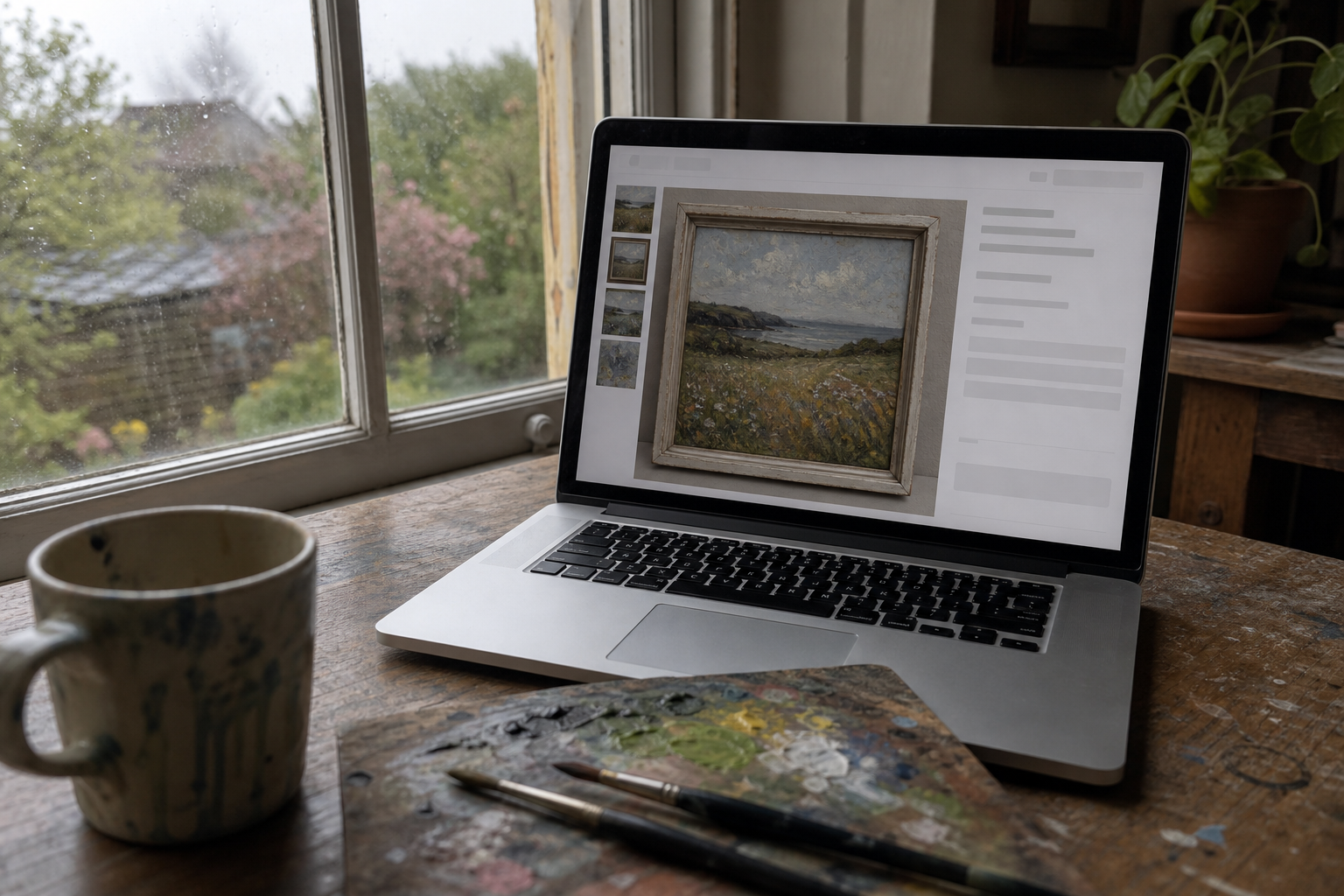
Your title should do two things: tell buyers what the painting is and make them want to read more. "Oil Painting, 20x25cm" tells them almost nothing. "Late Afternoon Light on the South Downs, Oil on Board" tells them what, where, and evokes a mood in six words.
Your description should open with the experience, not the specification. Write about where you were, what the light was doing, what drew you to that particular spot on that particular day. Then provide the practical details: medium, support (board, canvas, paper), dimensions in centimetres, whether it's framed or unframed, and approximate weight (useful for buyers thinking about shipping). Spell out that the painting was created outdoors on location; don't assume buyers know what plein air means, and don't use the term without explaining it.
Location, light, and story as selling tools
"Painted on a cold January morning above Malham Cove before the mist had lifted from the valley" is a listing. "Blue and green landscape, oils" is not. Buyers who are drawn to original paintings are often buying the story as much as the image. Give them the story. Be specific about place: named hills, harbours, coastlines, moorland. UK buyers are particularly responsive to recognisable or beloved landscapes.
Keywords buyers actually use
Think like someone who has never heard of plein air painting. They might search for "original landscape oil painting UK", "countryside painting gift", "small oil painting Yorkshire", or "Norfolk coast original artwork". These are the terms to work into your titles and tags on Etsy and Folksy, not the vocabulary of the studio.
Avoid jargon. "Plein air" as a standalone term means little to most buyers. "Painted outdoors on location in the Lake District" says the same thing in language anyone can respond to.
Shipping Originals in the UK
Sending paintings to buyers is the part of selling that worries most artists, and it needn't. With the right packaging and a sensible approach to carriers, it's straightforward.
Packaging oil paintings and watercolours safely
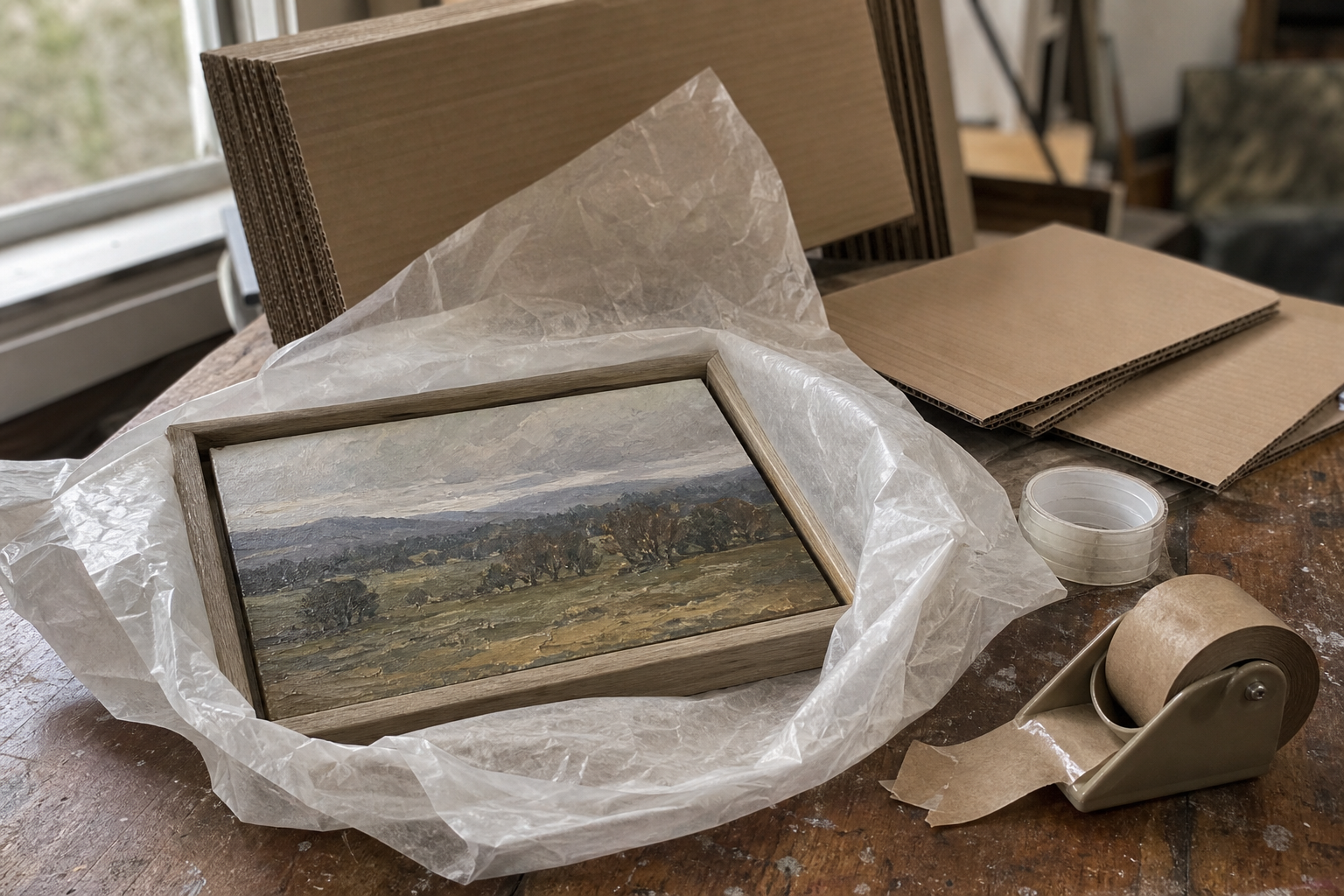
For oil paintings, allow adequate drying time before packing. How long this takes depends on your paints, medium, and how thickly you apply paint; lean, thin passages dry faster than thick impasto. When you do pack, place glassine paper directly against the painted surface, not bubble wrap. Bubble wrap can adhere to semi-dry oil paint and damage the surface on removal.
Sandwich the wrapped painting between two sheets of corrugated board cut slightly larger than the panel, and secure firmly with tape. Specialist art boxes are available from Jackson's Art and similar UK suppliers and are worth having in stock if you're selling regularly. For framed work, wrap the glass or perspex separately, or use corner protectors and additional padding. If you're new to presenting work for sale, our guide to how to frame your plein air paintings covers options that travel well.
Watercolours and acrylics follow the same principles. Framed work with glass adds both weight and fragility; consider offering unframed options for buyers who prefer to frame locally.
Royal Mail, couriers, and what to charge
For smaller works, Royal Mail Tracked 48 or Tracked 24 is often the most practical option. For larger or higher-value paintings, Parcelforce or a specialist art courier gives you more coverage and better claims handling if something goes wrong.
Decide upfront whether to charge actual shipping or fold it into the price. On Etsy, offering free shipping (by building the cost into the listing price) can improve conversion; buyers respond well to it even when they understand the cost is included. Whatever you choose, be consistent.
Insurance and proof of postage
Always get proof of postage, without exception. For anything above a modest value, add postal insurance at the counter or through your courier. Keep records of what you sent, when, to whom, and at what declared value. The extra few minutes this takes are worth it the one time something goes wrong.
Keeping Track: Simple Admin for Selling Artists
Admin is not the exciting part of selling your paintings, but handling it properly from the start saves real trouble later.
Keep a simple record of every sale: the buyer's name and address, the painting title, the date, the sale price, the shipping cost, and the platform it came through. A spreadsheet works perfectly well; you don't need specialist software.
Issue a receipt or simple invoice for every transaction. Free tools like Wave, or even a basic word-processed template saved as a PDF, are sufficient.
If your sales become regular, be aware that HMRC has rules around self-employment income that may apply to you. Rather than give specific figures here (these change and personal circumstances vary), visit gov.uk and check the current guidance on self-employment and income tax thresholds. It's also worth knowing that artist resale rights exist for secondary sales of original work above a certain value threshold; these don't typically affect direct sales of your own originals, but it's useful background knowledge as your profile grows.
Handle the business side of your practice matter-of-factly. It's not a burden; it's what makes selling sustainable.
Building Momentum Over Time
Learning how to market plein air paintings effectively is not a one-week project. It's an ongoing practice, and the artists who sell consistently are almost always those who show up regularly rather than those who launch with a burst of effort and then disappear.
Consistency is worth more than volume. Posting and listing regularly, even modestly, keeps you visible and signals to buyers that you're an active, serious artist. Engaging genuinely with the outdoor painting community, not just posting your own work but responding to others', builds the kind of presence that leads to collectors finding you organically over time.
Document your practice openly. Photos of your setup, in-progress shots from location, the view from where you were painting, all of these build a narrative that followers invest in. Buyers often purchase from artists they feel they know a little, and outdoor painting gives you an inherently compelling story to tell.
Accept that early sales will be slow. This is normal, not a signal that something is wrong. Build your catalogue, improve your photographs, refine your listings, and stay in the conversation. Local exhibitions, open studios, and plein air painting events work alongside your online presence rather than separately from it; visibility in person and visibility online reinforce each other.
The painters who make consistent sales online aren't necessarily the most technically accomplished. They're the ones who take their work seriously enough to present it well, price it honestly, and keep going past the point where it feels uncertain. That's entirely within your reach.
FAQ
Frequently Asked Questions
How should I photograph my plein air paintings for online sales?
Use diffused daylight on an overcast day or a north-facing window, position the painting upright against a neutral background, shoot perpendicular to the surface, and include full, detail, and edge/back shots. Edit lightly to correct white balance and exposure only.
What is a simple way to price outdoor studies?
Use a size-based formula: area (cm²) times a rate per cm² plus material costs. Add a fair hourly figure for time and travel. Check similar UK artists on Etsy, Folksy and Saatchi Art to refine your rate.
Which online channels work best for UK plein air painters?
Start with one channel: Instagram for visibility and story-led posts, Etsy or Folksy for lower-to-mid price originals, and Saatchi Art for mid-to-higher price points. Build a simple website later as a central portfolio.
How should I write a listing that sells?
Lead with the experience: where you painted, the light and the moment. Then give practical details: medium, support, size in centimetres, framing and shipping. Use searchable, plain-language keywords like 'original landscape oil painting UK.'
What is the safest way to ship original paintings in the UK?
Let oils dry, place glassine against the surface, sandwich between corrugated board, and use specialist art boxes for regular sales. Use Royal Mail Tracked for small works and a courier for larger pieces. Always get proof of postage and insurance for higher values.
Author

PleinAirPainting Editorial Team
PleinAirPainting.co.uk helps artists paint outdoors with confidence through UK-focused guides, equipment advice, resources and plein air inspiration.