Artist Website Tips for Plein Air Painters: Building a Site That Works
Actionable artist website tips for plein air painters: choose your site role, use your name, present a focused portfolio, list buying and shipping details, and keep content current.

Key takeaways
- • Decide your site role first and use your own name as the domain.
- • Lead with one strong image and a single call to action on the home page.
- • Organise the portfolio into location or season series and keep availability accurate.
- • Provide clear buying, shipping and workshop details plus required UK legal pages.
- • Keep the site current: update work, event dates and backups, and add a newsletter signup.
If you're painting regularly outdoors, selling the occasional piece at open studios or through Instagram enquiries, and starting to feel like a handful of social media posts isn't quite enough to represent your work properly, you're not alone. The good news is that the best artist website tips aren't about technology or design theory. They're about clarity: knowing what you want your site to do, and setting it up to do exactly that.
Social platforms are useful, but they're borrowed space. Instagram can change its algorithm, limit your reach, or simply fall out of fashion. Your website, by contrast, is yours. It's where someone goes when they're seriously considering buying a painting, enquiring about a workshop, or checking your credentials before recommending you to a gallery. Getting it right doesn't require a web designer or a technical background. It requires a little planning, a few good photographs, and a clear sense of what you're offering.
This guide covers everything a UK plein air painter needs to know: what pages to build, how to organise your work, the legal basics that most articles skip entirely, practical UK shipping guidance, and how to keep the site working for you over time.
Start with Two Decisions, Not a Platform
It's tempting to open a free trial on a website builder and start dragging things around. Resist that for a moment. Two decisions matter more than which platform you choose, and getting them right first will save you from rebuilding later.
Use Your Own Name
When you build an artist site, put your name on it. Not a studio name, not a made-up brand, not a poetic phrase you came up with on a rainy afternoon in Yorkshire. Your name.
Your name should be in the domain (yourname.co.uk or yourname.com), in the page title, and in the site header. This matters because people search for you by name when they remember your work. It matters for galleries and funding bodies who want to find you. And it matters for your own career: a website built around your name grows with you, regardless of where you exhibit or what you paint.
Portfolio and Enquiries, or a Shop?
Before you touch a single template, decide what the site's main job is. There are two broad approaches, and choosing one shapes everything that follows.
The first is a portfolio-led site: you show your work, tell your story, and invite people to get in touch about commissions, gallery enquiries, or workshops. The home page leads with painting. The call to action is "enquire" or "get in touch."
The second is a shop-led site: the primary purpose is selling originals or prints directly. The home page leads with available work, and buying is the main call to action.
Both work well for plein air painters. Many artists land somewhere in between, using an enquiry-first approach with a small shop section running alongside it. Decide which matters most before you start building, because it affects every page you create.
What Pages Does a Plein Air Painter Actually Need?
A professional artist site doesn't need to be complicated. Most plein air painters will be well served by six or seven pages. Here's what each should do.
Home
One strong image. That's the most important thing on your home page. Not a grid of twenty paintings, not a slideshow cycling through everything you've ever made. One painting that represents you at your best.
Beneath or alongside that image, write a positioning statement. Keep it to a single sentence. It should tell visitors what you paint, roughly where, and in what medium. For example: "Oil paintings of the Yorkshire coast and North York Moors, painted on location throughout the year." That's it. Clear, specific, honest.
Then one call to action: "View available work," "Browse the portfolio," or "Find out about workshops." Just one. Give people a clear direction and they'll take it.
Portfolio or Works
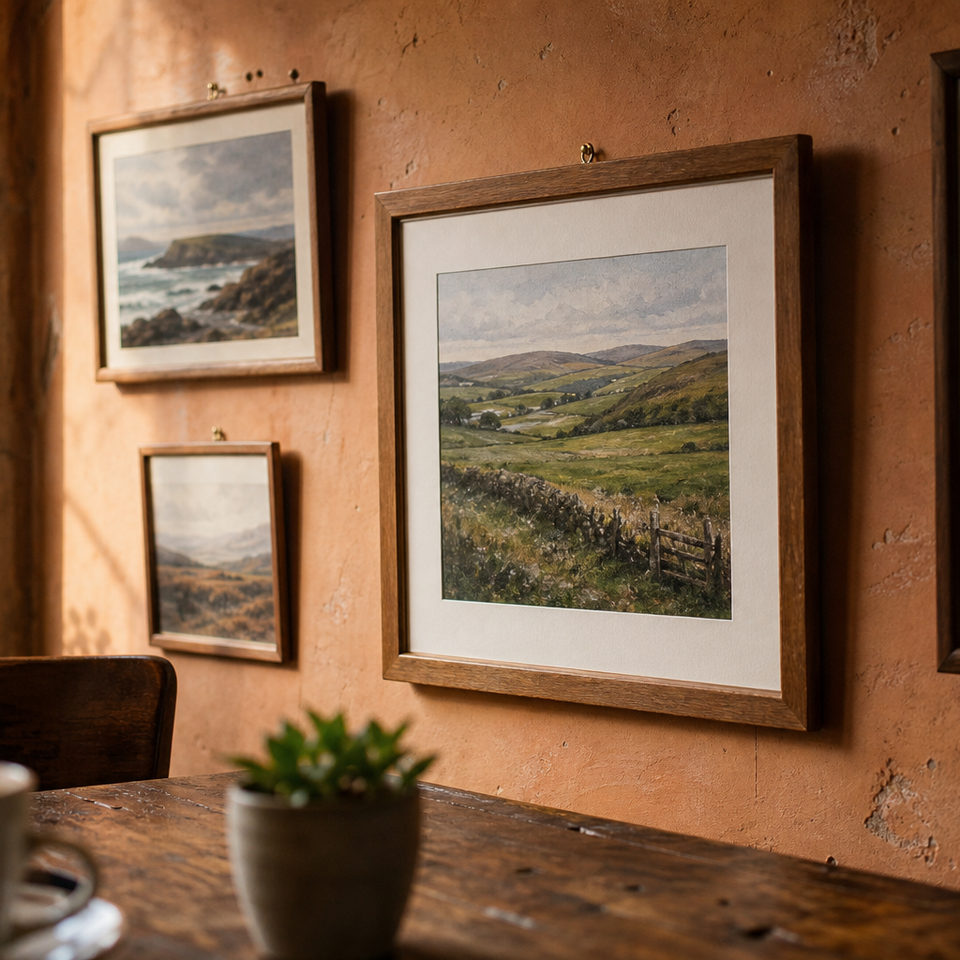
Organise your paintings into series based on location or season rather than a flat, undifferentiated grid. A coastal series, a moorland series, a winter paintings collection — these groupings help visitors understand what you do and where you work. They also make your practice feel intentional rather than accidental.
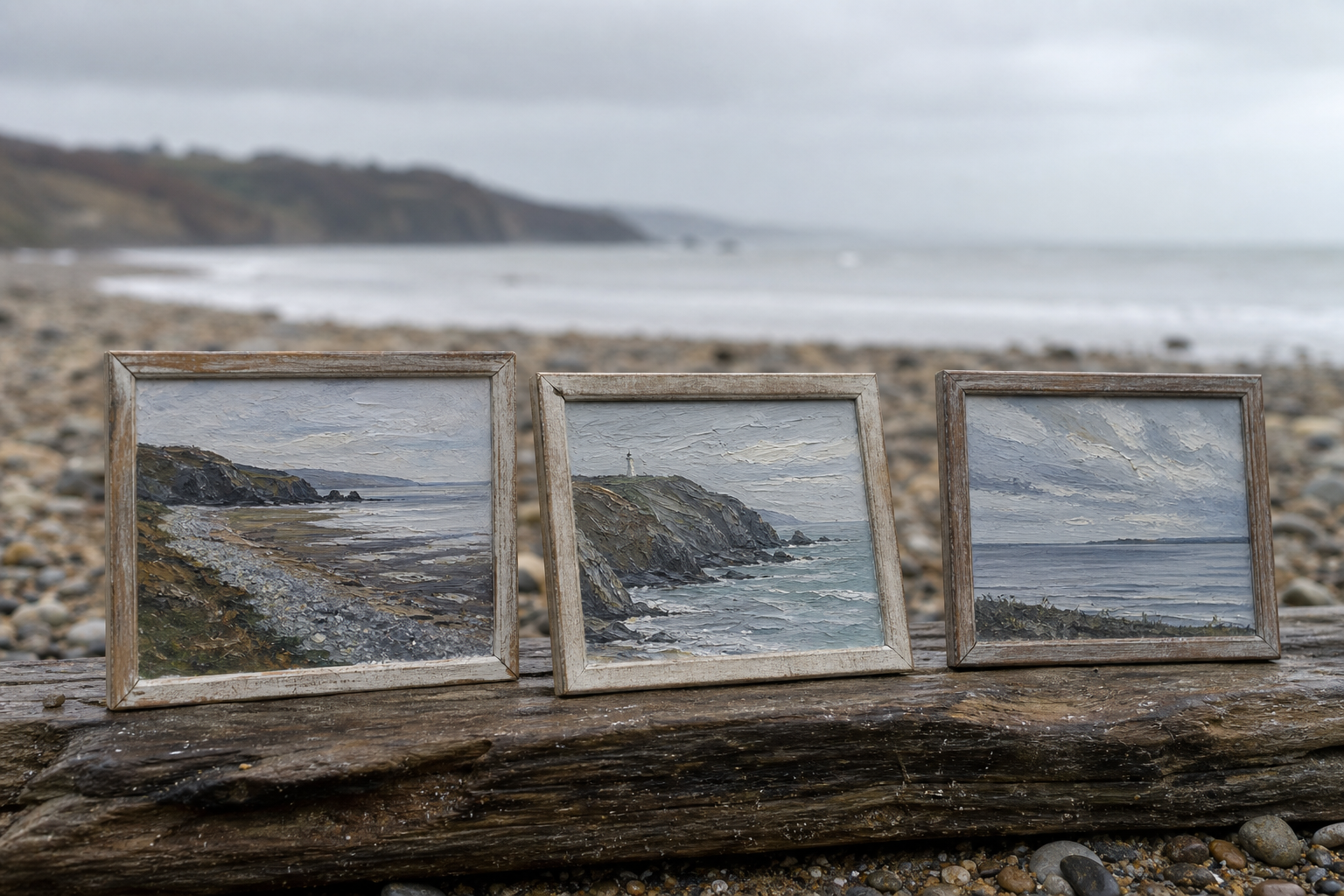
Each painting should carry its full details: title, medium, dimensions, year, and whether it's available or sold. Sold work is worth keeping visible. It shows the range and volume of your output, and buyers find it reassuring to see that other people have trusted you with their walls. Archive older sold work rather than deleting it entirely.
One important note for plein air painters: your "available" status changes fast, especially after an exhibition or a productive painting trip. Build the habit of updating the portfolio promptly. A painting listed as available that you sold three months ago is frustrating for buyers and slightly embarrassing for you.
About
Start with a short, readable bio written in the first person. Two or three paragraphs covering who you are, where you paint, and what draws you outdoors. This is your story, and for plein air painters it's a genuinely interesting one: the locations you return to, the light you're chasing, the practice of working directly from nature.
Below that, or on a linked sub-page, you can include a more formal CV: exhibitions, art society memberships (the Royal Institute of Oil Painters, the Royal Watercolour Society, the Royal Society of British Artists and so on), education, and awards. This section matters for galleries and grant applications, but most visitors won't read it first. Lead with the human version.
Avoid writing your about page in the third person. "Jane Smith is a landscape painter who..." reads as oddly formal on a personal website. Write as yourself, to the person visiting.
Shop (if Selling Directly)
If you're selling originals or prints directly from your site, the product listings need to work harder than a simple image and price. Write descriptive titles that include the literal subject and medium: "Low Tide at Staithes, original plein air oil painting, 30x25cm." This isn't just good practice for buyers; it's how people find your work through search over time.
Show the price clearly in GBP. State whether framing is included (and if so, what kind). If the painting was made on location, say so. Many buyers value this specifically; it's part of what they're buying. Separate originals from prints so buyers aren't confused about what they're getting.
Workshops and Events
If you teach outdoor workshops, this page is often the most practically important one on your site. It needs: the location, dates (including what happens in bad weather), maximum group size, experience level required, a kit list, the price, and a clear booking process.
Cancellation terms are not optional. Include them clearly, both because it protects you and because UK consumer law requires it for services sold online. An outdated workshop page, with last year's dates still listed, looks abandoned. Keep it current, even if that just means adding a note that new dates are coming.
FAQ and Buying Information
Dedicate a page, or a clearly linked section from your footer, to the questions buyers actually ask before parting with money for an original painting.
What to include in your FAQ
Cover the questions buyers actually ask before purchasing an original painting online. How do I buy? Do you ship framed? How is it packaged? How long does UK delivery take? What if it arrives damaged? What is your returns policy?
These questions feel obvious once you've answered them, but they're the difference between a visitor who enquires and one who clicks away uncertain. Don't make people work to find out how to buy from you.
Contact
Simple. An email address or a short contact form. Optionally, your county or region (not your full home address). A note on response times — "I reply within two to three working days" — is genuinely helpful. If you accept commissions, say so here explicitly. Many buyers want a commission but assume the artist won't be interested; a direct statement that you're open to it removes that hesitation.
The UK Legal Basics You Cannot Skip
This is the section that most artist-website guides leave out entirely. None of it is complicated, and none of it should put you off. It's simply a matter of getting a few things in place before you go live.
Privacy, GDPR and Contact Forms
If your contact form or newsletter signup collects email addresses, you'll generally need a privacy notice on your site. This is a short page (it doesn't need to be long or written by a lawyer) that explains what personal data you collect, why you collect it, how long you keep it, and who might see it. The ICO (Information Commissioner's Office) website has plain-English templates and guidance specifically for small businesses. UK GDPR, which replaced EU GDPR for UK purposes after Brexit, is the relevant framework.
Cookies and Analytics
If you use Google Analytics or any other third-party tracking tool, you'll need a cookie notice that allows visitors to opt out of non-essential cookies. This is an ICO requirement, not just good practice. Most website builders include a basic cookie consent banner in their settings. You just need to know to turn it on and check that it's working. It's a five-minute job, not a project.
Selling Online: Consumer Rights
When you sell original art online to UK buyers, the Consumer Contracts Regulations 2013 apply. As a rule of thumb, buyers purchasing non-customised goods online generally have the right to cancel within 14 days of delivery and return the item for a refund. Your returns policy should reflect this.
Custom commissions are a different matter: items made to a buyer's specific requirements are generally exempt from the 14-day cancellation right. Make this distinction clear on your site, both to protect yourself and to reassure buyers of bespoke work. This detail is almost completely absent from existing artist-website guides, and it's worth getting right.
Tax and Registration
If you're selling regularly, it's worth checking your obligations with HMRC. Selling art as an ongoing activity, even at a modest level, may mean you need to register as self-employed and complete a self-assessment tax return. VAT registration is only required above a turnover threshold (currently £90,000), which most plein air painters won't approach, but it's useful to know it exists.
This article isn't a substitute for professional advice. Check Gov.uk and HMRC's self-employment guidance for the current rules, and if you're unsure whether your selling activity needs registering, a brief conversation with an accountant is worth far more than guessing.
Practical Matters: Platforms, Costs and Shipping
Choosing a Platform
Rather than recommending a specific builder, here's what to look for: a clean gallery or portfolio display, a built-in shop function if you plan to sell directly, easy image management, mobile-responsive templates (a large proportion of your visitors will be on a phone), and a custom domain option. You want something you can update yourself without needing to call anyone.
Cost-wise, expect to pay roughly £10 to £25 per month for a hosted website builder, plus a .co.uk or .uk domain at around £7 to £15 per year. Payment processing through Stripe or PayPal typically takes around 2 to 3 per cent per transaction. These are manageable running costs for any artist who sells even occasionally.
Shipping Originals from the UK
This is a gap in almost every existing guide, so it's worth covering properly.
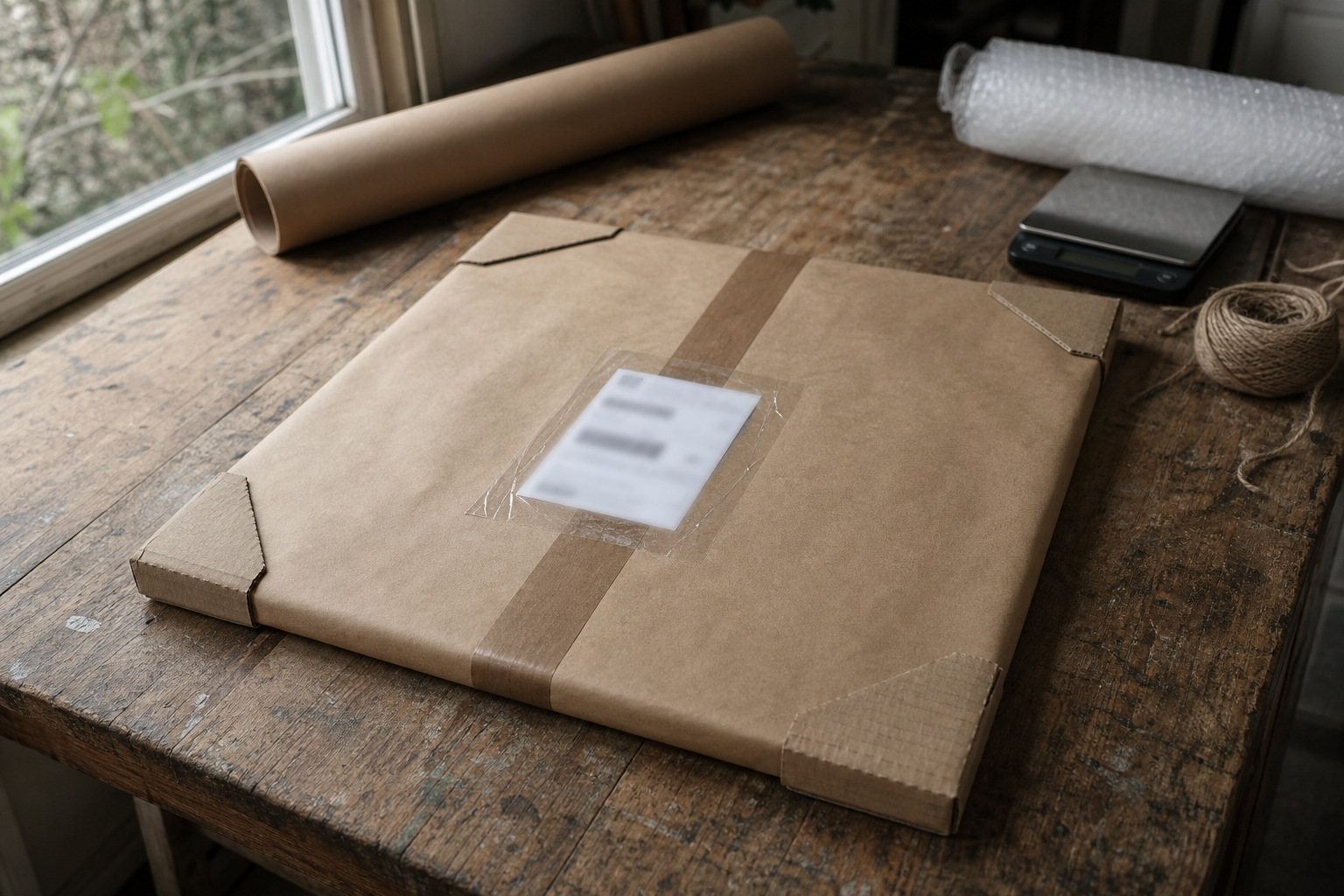
For small, unframed studies, Royal Mail Special Delivery is a solid option. It's tracked, insured up to £750 by default, and delivers next day. For framed originals or larger works, you'll need a courier such as DHL or Parcelforce. Use a rigid box, add corner protectors, and label the package clearly as fragile artwork.
For large or particularly fragile framed pieces, a specialist art courier is worth considering. Services like AXA Art or similar providers offer insurance coverage that reflects the actual value of the work, not a standard courier limit.
A practical note for anyone in England: Highlands and Islands surcharges apply with most couriers for delivery to Scotland's more remote areas. State this on your shipping page so buyers from those areas aren't surprised.
Post-Brexit, sending work to EU buyers requires a customs declaration (form CN22 or CN23 depending on value). The buyer may be liable for import duty on arrival. Note this clearly on your shipping page and in your order confirmation. It's not a reason to stop shipping to Europe; it's simply information your buyers need in advance.
| Scenario | Suggested service | Notes |
|---|---|---|
| Small unframed study (under 35cm) | Royal Mail Special Delivery | Tracked, insured to £750, next-day |
| Medium framed original | Courier (DHL or Parcelforce) | Use rigid box, corner protectors |
| Large or fragile framed work | Specialist art courier | AXA Art or similar; confirm insurance value |
| EU and international | Courier with customs declaration | CN22/CN23 form; buyer may pay import duty |
Artist Website Tips for Keeping It Working Long-Term
The biggest risk with an artist website isn't building it badly. It's building it and then leaving it to go stale. A little regular attention is all it takes.
- Update the portfolio at the end of each painting season. Add new work, archive sold pieces, and review whether anything on display no longer represents you well.
- Keep the workshops and events page current. An outdated page with old dates loses bookings and quietly damages your credibility.
- Set your domain to auto-renew. Losing a domain because you forgot to renew it is more common than you'd think, and reclaiming it can be expensive.
- Keep copies of all your images and your CV text in a separate folder on your computer, independent of whatever platform you're using. If you ever want to move platforms, you'll have everything ready.
- Add a newsletter signup to your footer. It doesn't have to be prominent; it just needs to be there.
Own your audience
Social media platforms change their rules, shrink your reach, or disappear. Your website and email list are the two things you actually own. A newsletter signup in the footer costs nothing and is worth far more than follower counts over time.
Connecting Your Site to the Wider Picture
A website doesn't exist in isolation. It works best when it fits into the rest of how you present and sell your work.
Think of social media, particularly Instagram, as the discovery layer. It's where new people find you, follow your painting trips, and develop an interest in your work. Your website is where that interest converts into something more: a sale, a commission enquiry, a workshop booking. The two work together rather than competing.
If your work is shown through UK galleries, have a conversation about pricing before you list anything for direct sale online. Showing work at the same price through both channels is generally the right approach, and most galleries will appreciate being asked rather than discovering a discrepancy. You might label certain works as gallery-exclusive on your site, directing visitors to the show instead.
If you ever apply for funding or a residency through Arts Council England or a similar body, a clean, professional website with an up-to-date CV section will almost certainly be expected. It signals that you take your practice seriously, which matters to selection panels.
Finally, think about location-specific content on your site. Pages that focus on particular painting locations, "landscape paintings of the Lake District," "plein air oil paintings of the Cornish coast," gradually build search visibility over time. It's a slow process, but it's cumulative. Start thinking in those terms from the beginning, and your site will become gradually more findable by the people most likely to want what you make.
FAQ
Frequently Asked Questions
Do I need a shop or a portfolio on my site?
Decide before you build. A portfolio-led site invites enquiries and commissions. A shop-led site prioritises direct sales. Many painters combine a small shop with an enquiry-first portfolio.
What pages should a plein air painter include?
Keep it simple: Home, Portfolio or Works, About, Shop (if selling), Workshops and Events, FAQ or Buying Info, and Contact. Each page should have a single clear purpose and call to action.
Should I use my own name as the domain?
Yes. Use your name in the domain, page title and header. People search for artists by name and a name-based site grows with your career.
What legal pages do I need in the UK?
Include a short privacy notice for contact forms and newsletter signups, a cookie consent if you use analytics, and a clear returns and cancellation policy that reflects UK consumer rules.
How do I handle shipping to the EU after Brexit?
Use a courier with the correct customs forms (CN22 or CN23 depending on value) and tell buyers they may face import duty. State shipping options and any regional surcharges on your shipping page.
Author

PleinAirPainting Editorial Team
PleinAirPainting.co.uk helps artists paint outdoors with confidence through UK-focused guides, equipment advice, resources and plein air inspiration.