Oil Painting Mediums for Plein Air: What They Do and Which to Use
Clear, practical advice on using an oil painting medium outdoors. Learn when to go medium-free, which types suit UK plein air painting, and simple rules for safe, effective use.

Key takeaways
- • A medium changes paint flow, drying time, finish and transparency but is not essential for plein air painting.
- • Start without a medium to learn how your paints behave, then add one sparingly for specific needs like cold weather or faster drying.
- • Alkyds are the most practical fast-drying option for UK outdoor work; solvent-free fluids suit enclosed spaces.
- • Use the fat-over-lean approach: lean early layers, slightly richer later layers, and only a few drops of medium per palette load.
- • Old Holland is a dependable traditional choice in small bottle sizes; consider alkyd or solvent-free alternatives for speed or low odour.
Walk into any art shop and the row of small bottles beside the oil paints can stop you in your tracks. Mediums, thinners, oils, varnishes — all vaguely related, none of them clearly explained on the label. If you've ever picked one up, turned it over, and quietly put it back down again, you're in good company. This guide is here to cut through the confusion. It explains what an oil painting medium actually is, whether you genuinely need one for painting outdoors, and which options make the most sense for the specific realities of plein air painting in the UK.
What Is an Oil Painting Medium?
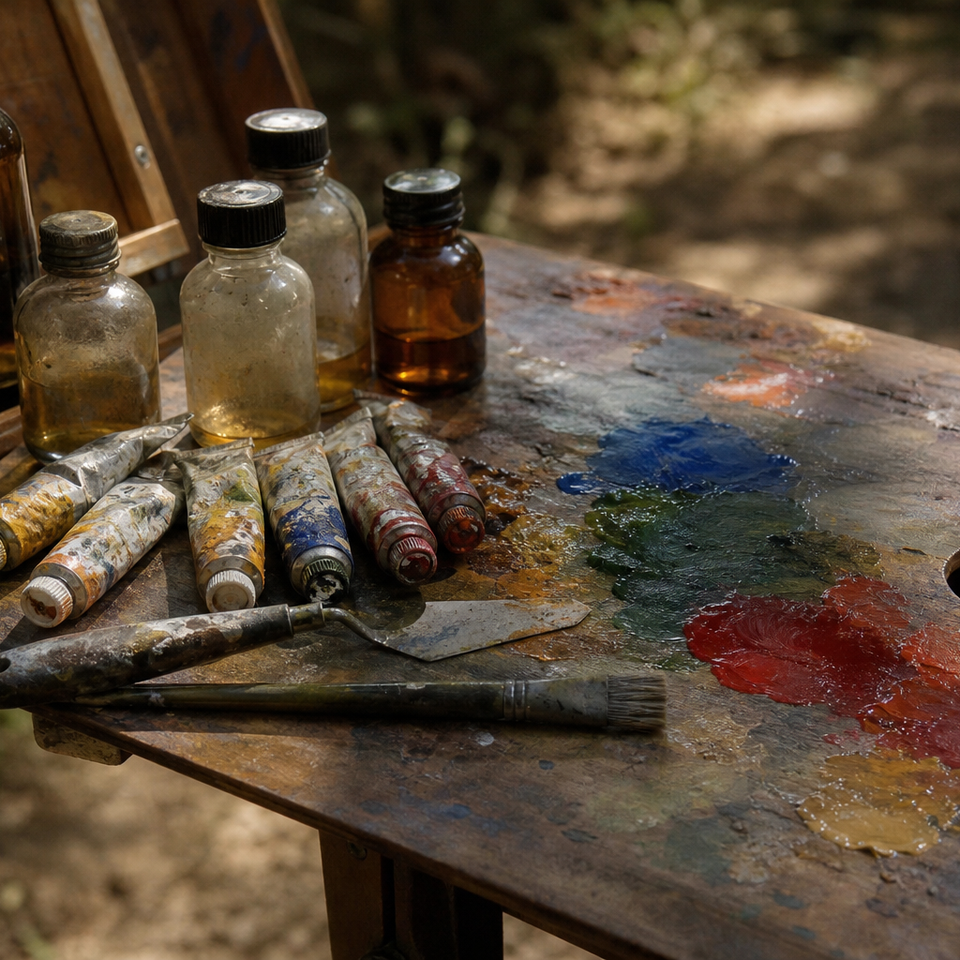
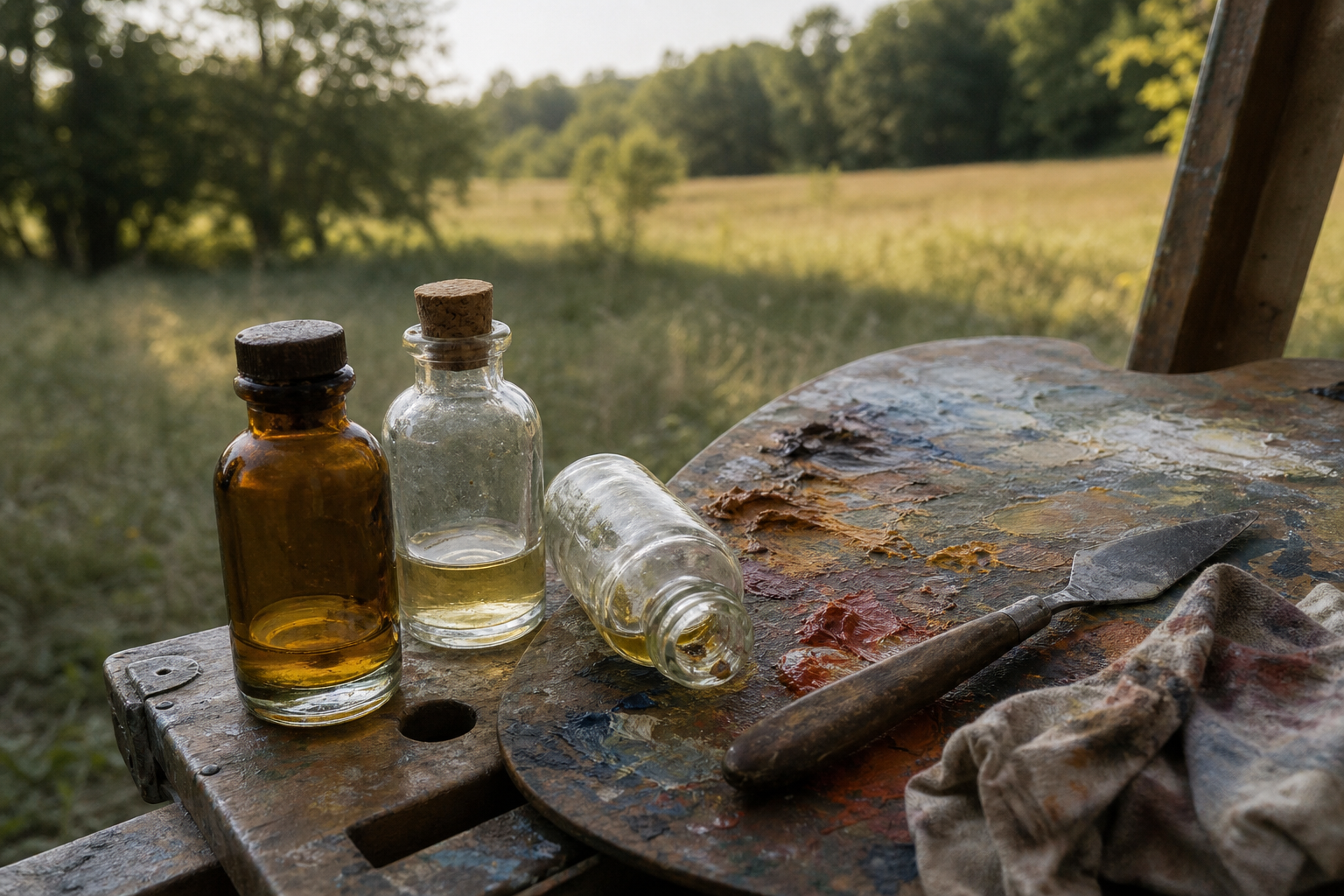
An oil painting medium is something you mix into your paint on the palette to change how it behaves. That's it. It's not a cleaner, not a protective finish — it's an additive that alters the working properties of the paint itself.
It helps to be clear about what a medium is not, because the terminology in oil painting can be genuinely confusing:
Medium vs solvent vs varnish
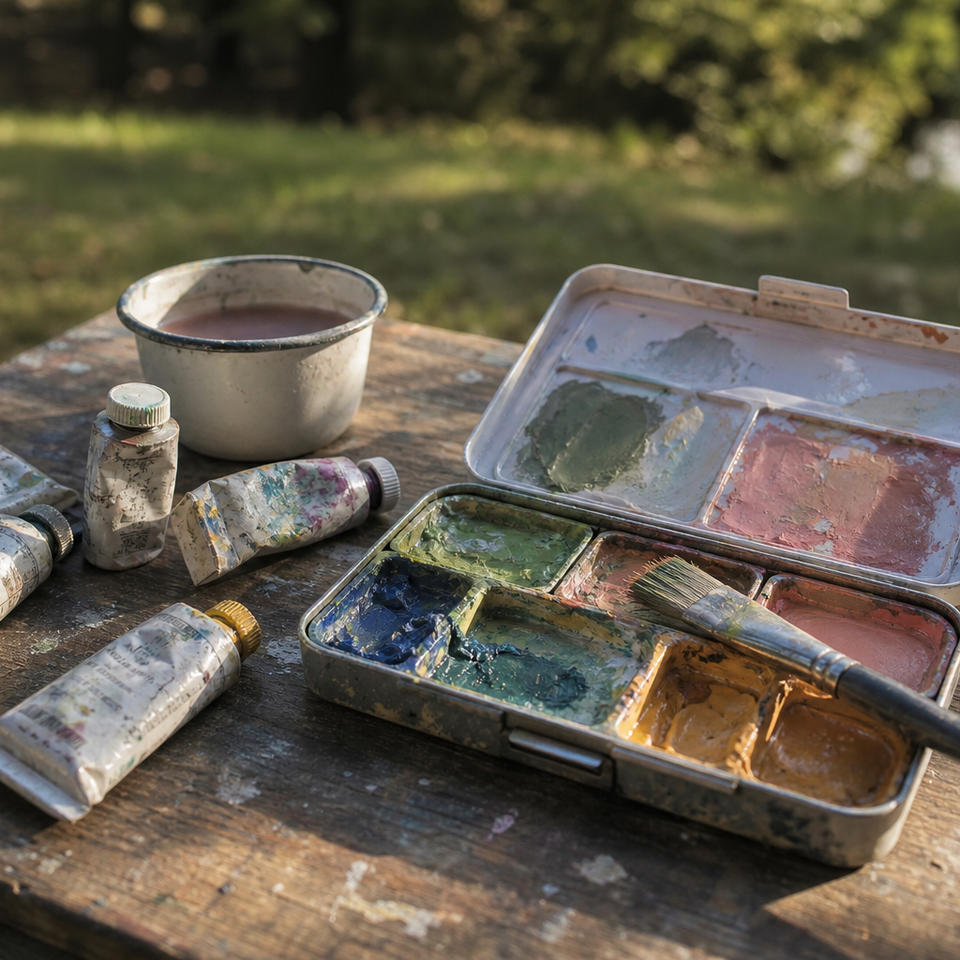
A medium goes into your paint on the palette. A solvent thins paint and cleans brushes. A varnish is applied once the painting is completely dry. These are three separate things — and conflating them is one of the most common beginner mistakes.
Solvents (turpentine, white spirit, low-odour mineral spirits) thin paint down and are used for cleaning brushes. Varnish is applied weeks or months after a painting has fully dried, to protect the surface. A medium does neither of those jobs. It goes into the paint mix while you're working.
So what does a medium actually do? It can do any combination of four things:
- Change how easily the paint flows — making stiff paint from the tube easier to work with, especially useful on cold days
- Speed up or slow down drying time — critical for outdoor painters who need to pack up quickly or build layers within a session
- Adjust the surface finish — increasing gloss, reducing shine, or producing a satin surface depending on what you add
- Increase transparency — useful for glazing, where thin, translucent layers are built up over dried paint
Do You Actually Need an Oil Painting Medium for Plein Air?
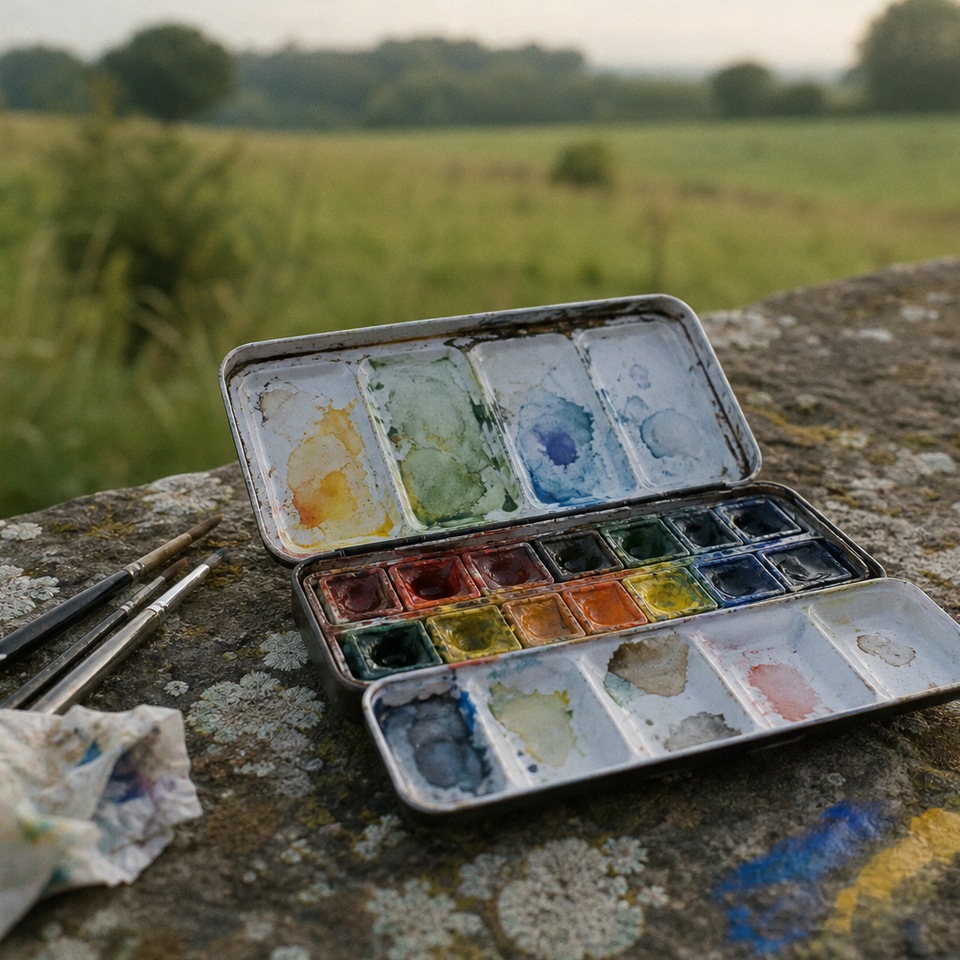
Honestly? No. Many experienced plein air painters use little or no medium at all, particularly those working in an alla prima style where everything is completed in a single session. Oil paint straight from the tube handles well, and most student and artist-grade paints are formulated to a workable consistency already.
So don't let anyone make you feel that a medium is a prerequisite for getting started. It isn't.
That said, there are specific situations outdoors where a medium earns its place:
When cold weather stiffens your paint. In the UK, this is a real issue from October through to April. Paint that's been sitting in a cool kit bag can become noticeably stiffer and harder to move around the canvas. A small amount of medium restores flow without compromising the paint film.
When you need to layer within a session. If you want to add detail or a second pass of paint before the first layer has dried, a fast-drying alkyd medium in the initial layers gives you that window.
When you're glazing late in a session. Adding a touch of medium to a transparent colour helps it sit cleanly over existing work without muddying.
Start without a medium
If you're new to oils, try at least one session with paint straight from the tube before adding a medium. You'll learn how your paint handles naturally — which makes any medium you add later much easier to understand.
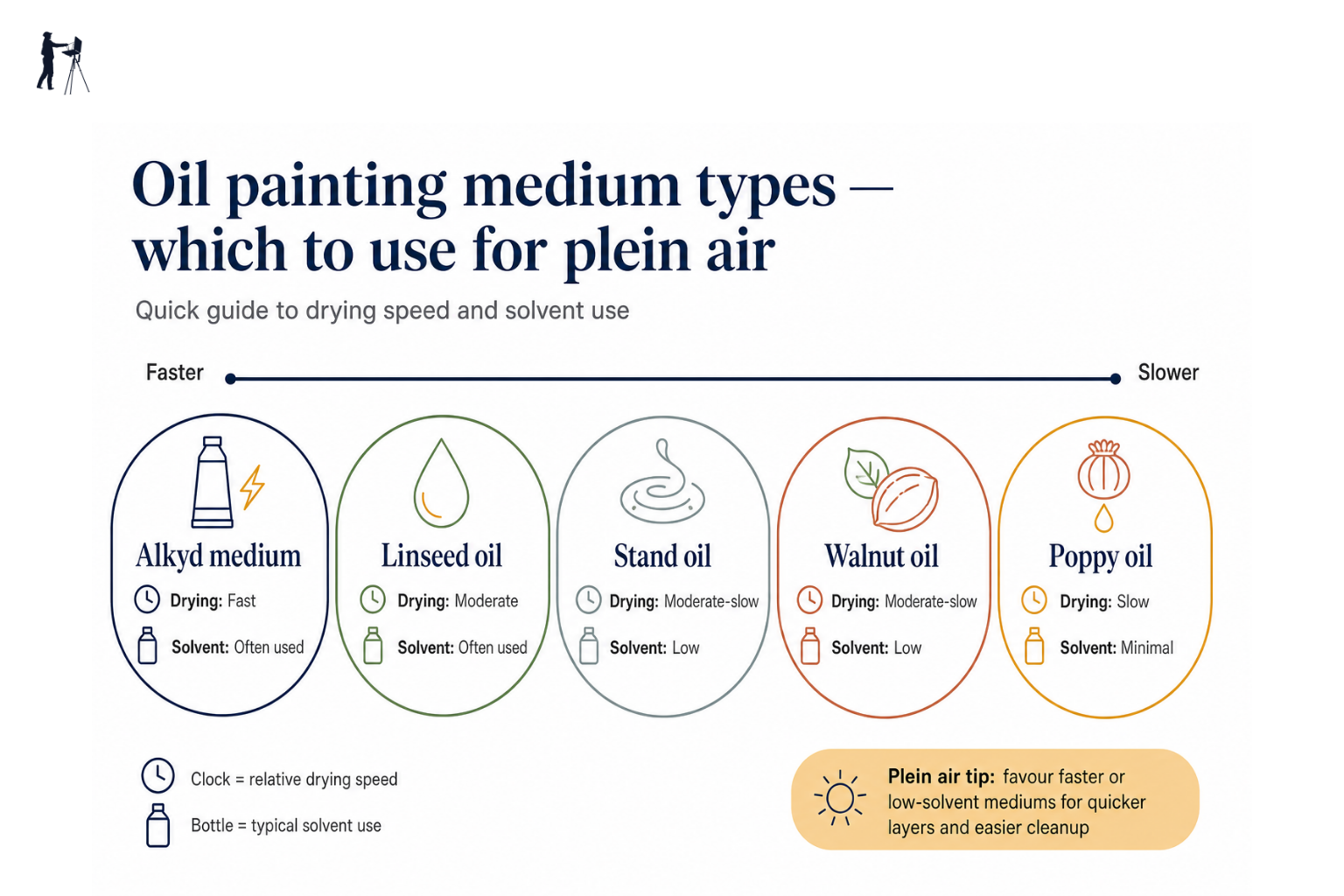
The Main Types of Oil Painting Medium — and When to Use Each
Understanding what's on the shelf makes choosing a medium much less daunting. There are five main families, each with a distinct character and use case.
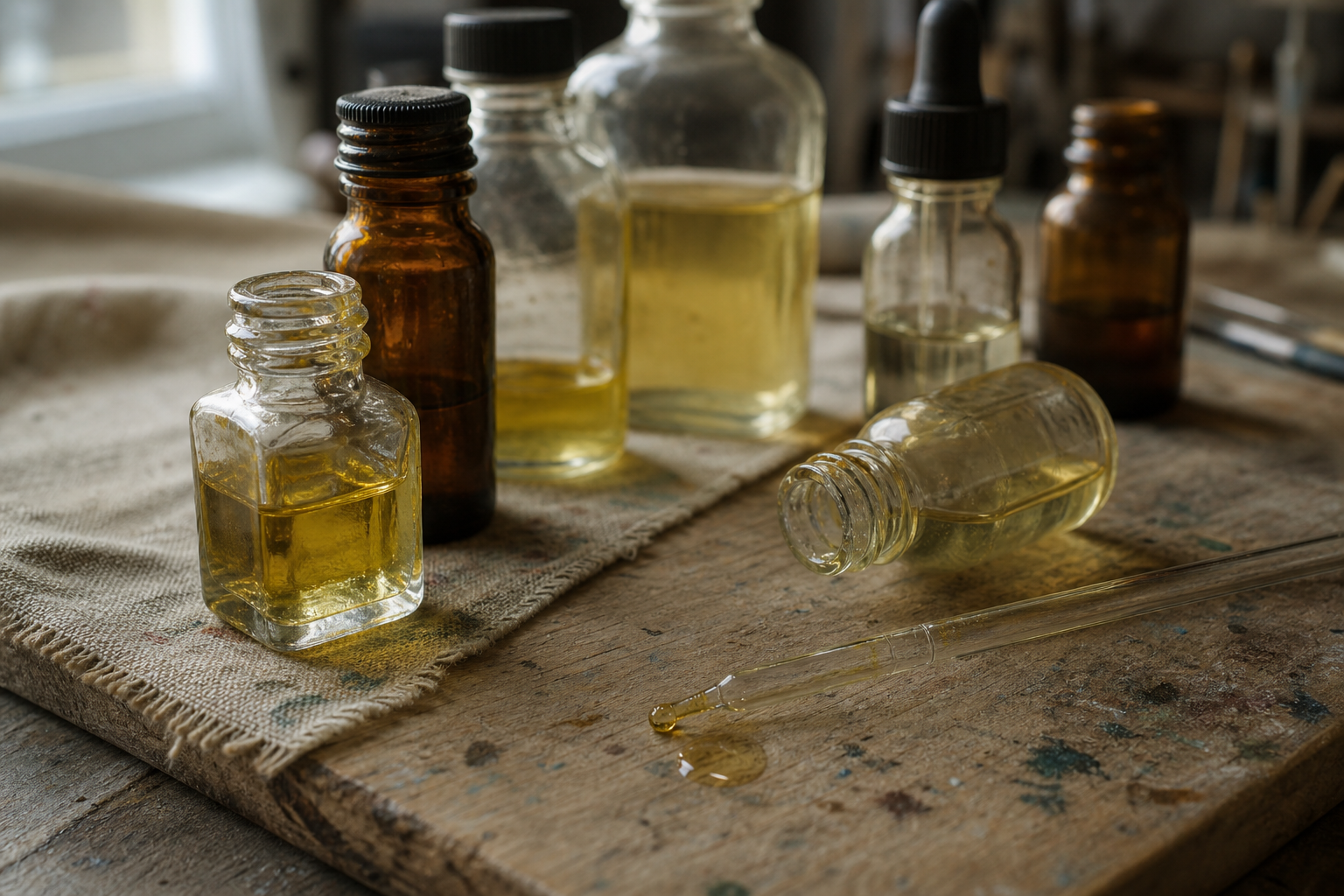
Drying Oils (Linseed, Stand Oil, Walnut)
The simplest category. These are just oils, without any solvent component. Refined linseed oil is the standard choice: it improves flow and gives a slightly glossy finish, though it can yellow very slightly over time, particularly under whites and pale colours. Stand oil (a thicker, polymerised form of linseed) is excellent for glazing, producing a smooth, enamel-like surface. Walnut and safflower oils are better choices when you're working with whites or very light colours, as they're less prone to yellowing.
The main caution with drying oils: adding too much weakens the paint film and slows drying considerably. A small amount goes a long way.
Traditional Solvent-Based Mediums
These are blends of oil and solvent, often sold as "painting mediums" or "painting oils" without further description. They thin the paint, improve flow, and dry faster than oil alone. They're particularly useful for early, lean layers in a painting.
The ventilation point matters here. Turpentine and white spirit have a strong odour and are flammable. Working outdoors in open air usually provides adequate ventilation, but if you're painting in a car or a covered shelter, be conscious of this. The modern preference is to use low-odour alternatives wherever possible.
Alkyd Mediums (Fast-Drying)
For plein air painting in the UK, alkyd mediums are probably the most practical single category. An alkyd (essentially a synthetic resin that has been modified to dry by oxidation, in the same way oil paint does) accelerates drying significantly. Paint mixed with an alkyd medium can be touch-dry overnight in reasonable conditions, which is useful when sessions are short or the weather forces you to stop mid-session.
Alkyd mediums also tend to increase gloss and improve the toughness of the paint film. They require minimal solvent and many are low-odour. For painters who want to build layers quickly or who paint in shorter sessions, this is the most useful category to explore.
Gel and Impasto Mediums
These are thickening mediums that add body to paint without adding excessive oil. They're useful for painters who want pronounced brushmarks, palette knife texture, or an impasto effect. Many are low-solvent or solvent-free, which makes them a reasonable option for home studios and enclosed spaces. For expressive plein air work where the physical quality of the mark matters, a gel or impasto medium opens up possibilities that tubes of paint alone can't easily deliver.
Cold-Wax and Matte Mediums
Cold-wax medium gives a velvety, low-sheen surface and a distinctive translucent quality. It's a growing area of interest for oil painters, but it's primarily a studio technique rather than an outdoor one. Worth knowing about if you want to explore matte surfaces or encaustic-adjacent effects, but it's not a priority for the typical plein air session.
| Type | Effect on drying | Best for outdoors | Solvent needed? |
|---|---|---|---|
| Refined linseed oil | Slightly slower | Flow, glazing | No |
| Traditional painting medium | Faster | Early lean layers | Usually yes |
| Alkyd medium | Much faster | Layering, short sessions | Minimal |
| Gel / impasto medium | Faster | Texture, expressive work | No |
| Cold-wax medium | Moderate | Studio glazing layers | Sometimes |
Our Pick for Plein Air Painters: Old Holland Oil Painting Medium
Old Holland's Oil Painting Medium is one of the more established names in this category, a traditional oil-plus-solvent blend that has been part of the professional range for decades. It's readily available in the UK through Jackson's Art in four sizes, from a compact 100ml up to a full litre.
In practice, it does what a classic painting medium should: it improves flow and levelling, gives a modest gloss to the surface, and makes paint easier to move around the canvas without over-thinning it. For painters who are new to using mediums, that predictability is genuinely useful. There are no surprises in how it behaves.
For outdoor use specifically, the 100ml bottle is a practical size. It fits easily into a kit bag or pochade box, and a bottle that size will last a long time given how little you need per session. The slightly wider-mouth bottles that Old Holland uses also make dispensing a few drops to a palette cup reasonably easy, even with gloves on.
Where this medium is less ideal is in enclosed settings. It's a traditional solvent-based formula, and if you're painting in the back of a car or in a small covered shelter, you'll want to ensure airflow. It's worth being straightforward about this: the modern alkyd and solvent-free alternatives are better suited to those situations. For open-air painting in the field, ventilation is rarely a problem and this medium performs well.
It's not the fastest-drying option available. If you're regularly working in layers within a single session, or if the UK weather means you're constantly dealing with wet paintings in transit, an alkyd medium will serve you better. But as a reliable general-purpose medium for painters who want to improve flow and gloss without overcomplicating their kit, Old Holland's offering is a solid choice.
Jackson's
Old Holland : Mediums : 100ml : Oil Painting Medium
Old Holland Oil Painting Medium Is Made From A Mixture Of Linseed Oil, Turpentine, And White Spirit. This Medium Thins Oil Paint And Enhances Flow. It Reduces The Gloss And Has Little Effect On The Drying Time. Warning: Contains Flammable Chemicals Or Substances That Can Ignite.
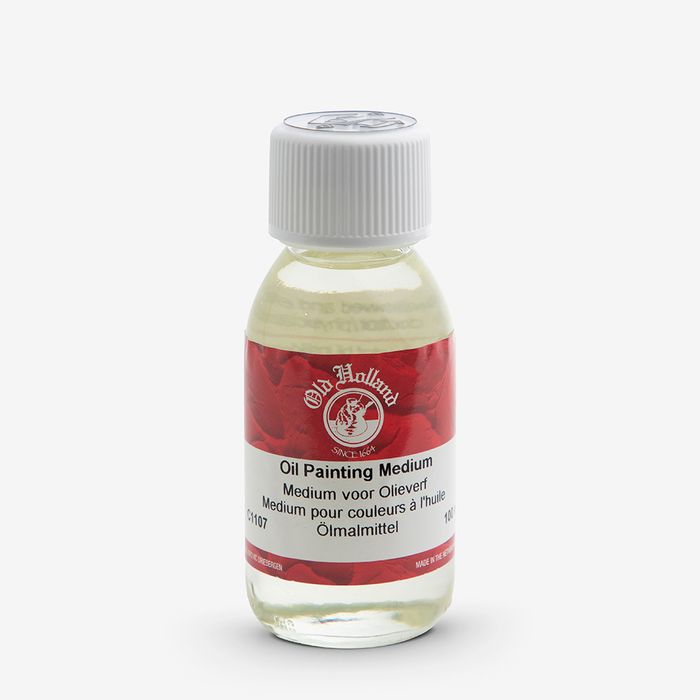
Old Holland Oil Painting Medium — available sizes
Old Holland : Mediums : 100ml : Oil Painting Medium
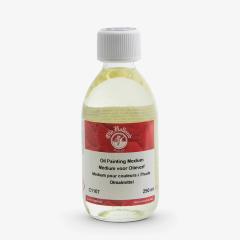
Old Holland : Mediums : 250ml : Oil Painting Medium
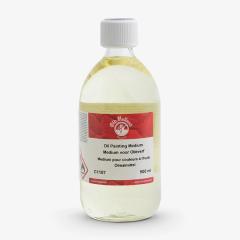
Old Holland : Mediums : 500ml : Oil Painting Medium
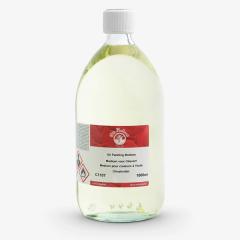
Old Holland : Mediums : 1000ml : Oil Painting Medium
Other Oil Painting Mediums Worth Knowing About
Not every painter will get on with the Old Holland medium, and that's fine. Here are the alternatives worth knowing about, each suited to a different approach.
For faster drying: Jackson's own Alkyd Oil Medium is a practical, affordable option that dries touch-dry overnight in reasonable conditions. It's ideal for painters who want to layer within or between sessions, or for anyone whose sessions are regularly cut short by the weather. Best for painters who prioritise speed and convenience over tradition.
For solvent-free painting: Gamblin's Solvent Free Fluid is an alkyd-based medium that requires no solvent and produces minimal odour. It's a genuinely useful product for anyone painting in a car, a home studio, or any space where ventilation is limited. Best for painters who want to avoid solvents entirely for health or practical reasons.
For linseed oil alone: Michael Harding's Refined Linseed Oil is a simple, trustworthy choice if you want to add a little flow and gloss without any solvent component. It's not going to speed anything up, but for glazing and improving workability in a single sitting, it does the job cleanly. Best for painters who want to keep things as simple as possible.
For impasto and texture: Winsor & Newton's Liquin Impasto gives body and speeds drying, which is a useful combination for expressive brushwork. Best for painters who want their marks to stay exactly where they put them.
Other mediums to consider
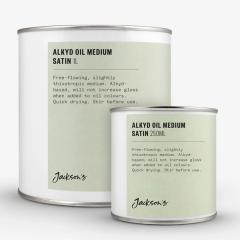
Jackson's : Alkyd Oil Medium
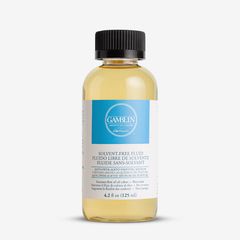
Gamblin : Solvent Free Fluid Oil / Alkyd Painting Medium : 125ml
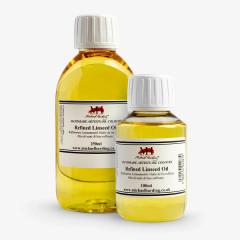
Michael Harding : Refined Linseed Oil
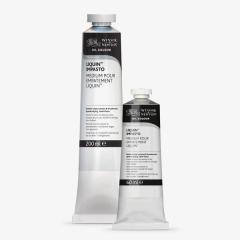
Winsor & Newton : Liquin Impasto
How to Use an Oil Painting Medium Outdoors — Key Rules
Using a medium well is mostly about restraint. The most common mistake is adding too much, which over-thins the paint, weakens the film, and causes problems as the painting ages. A few drops per palette load is almost always sufficient.
Here are the key principles for using a medium outdoors:
- Use less than you think you need. A few drops in a palette cup is the right starting point. You can always add more; you can't take it away.
- Start lean in early layers. For the blocking-in stage, use a minimal amount of medium, possibly with a small amount of solvent to thin the paint further. Lean, thinner layers first.
- Build to slightly richer layers on top. This is the fat-over-lean principle: earlier layers should be lower in oil content than later ones. It matters because leaner paint dries faster and more thoroughly; painting rich, oily layers on top of lean ones that haven't fully dried causes cracking over time. Think of it as building from the inside out.
- Keep the bottle closed when you're not using it. Outdoors, especially in wind, open medium bottles evaporate quickly and can spill. A small palette cup with a lid, filled at the start of the session, is more practical than a bottle left open on the ground.
- Dispose of solvent and oily residue responsibly. Never pour solvent or oily waste down a drain. Allow it to settle in a sealed jar and take it to your local council's hazardous waste collection point. Oily rags are also a fire hazard: don't leave them scrunched up; lay them flat to dry or store them in a sealed metal container.
Keep it simple outdoors
One medium, used consistently throughout a session, is almost always better than mixing two or three products on the palette. Pick one and get to know it before experimenting further.
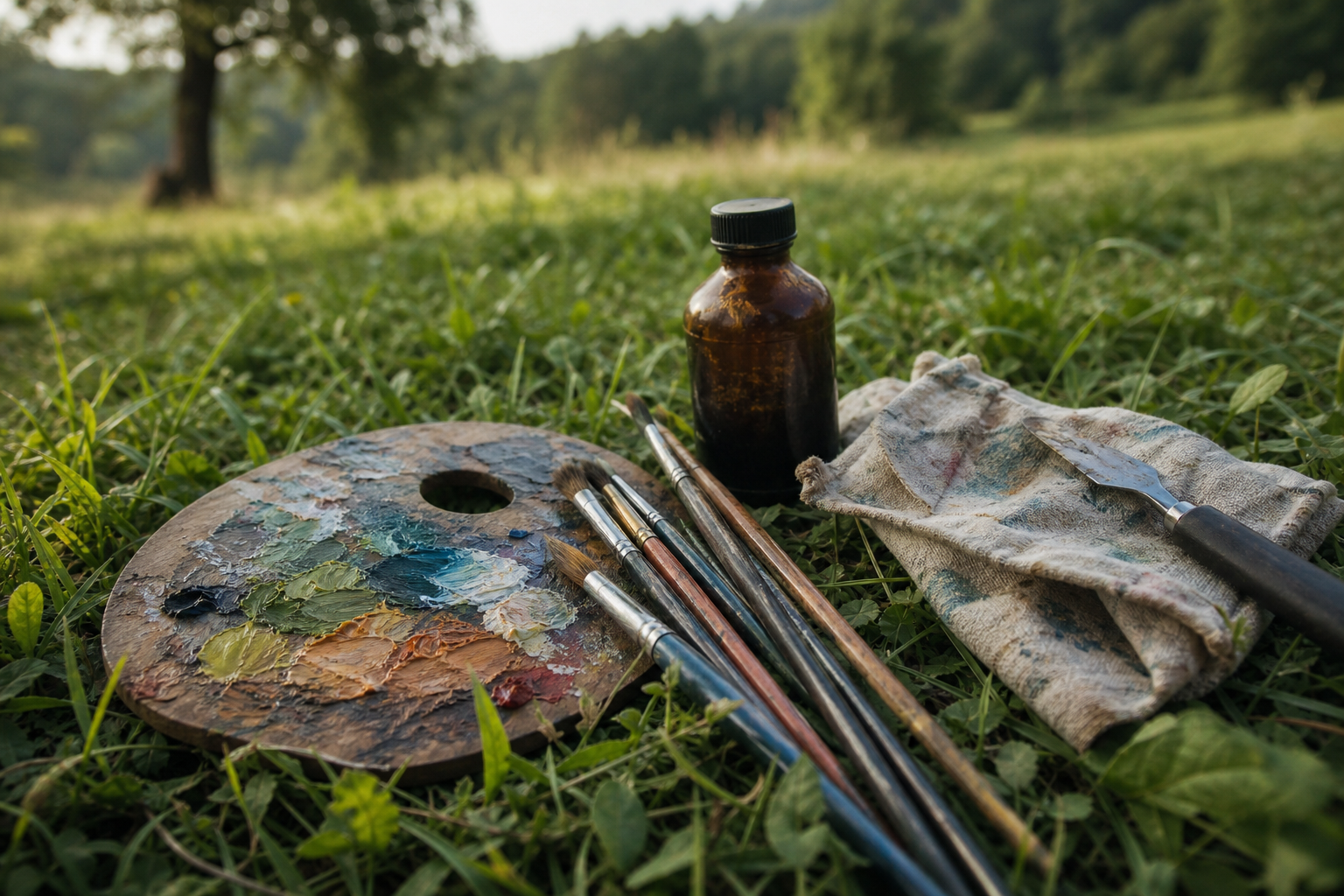
The honest conclusion is this: mediums are useful tools, not essential equipment. Start without one, learn what your paint wants to do naturally, and then introduce a medium when you have a specific reason to. When you do, start with a small bottle, use it sparingly, and give yourself time to understand how it changes things before reaching for another product. That's a more reliable path to good outdoor work than buying five bottles and hoping one of them solves a problem you haven't clearly defined yet.
FAQ
Frequently Asked Questions
Do I need an oil painting medium for plein air painting?
No. You can paint well with oil straight from the tube. Use a medium only when you have a specific need such as stiff paint in cold weather, faster drying for layering, or for glazing.
Which oil painting medium dries fastest for outdoor sessions?
Alkyd mediums dry much faster than traditional oils and are ideal for plein air painters who want touch-dry paint quickly and to build layers within or between sessions.
Can I use mediums in a car or small shelter?
Choose solvent-free or low-odour options for enclosed spaces. Traditional solvent-based mediums need good ventilation. Alkyd or solvent-free fluids are safer for limited airflow.
How much medium should I add to my paint outdoors?
Use very little. A few drops per palette load is usually enough. Start lean in early layers and increase oil content slightly in later layers to follow the fat-over-lean principle.
Which medium is a good first purchase for plein air work?
A small bottle of a reliable general-purpose medium works well. The guide recommends trying a session without any medium first, then a small alkyd or traditional medium like Old Holland in a 100ml bottle to learn its effects.
Author

PleinAirPainting Editorial Team
PleinAirPainting.co.uk helps artists paint outdoors with confidence through UK-focused guides, equipment advice, resources and plein air inspiration.