Linseed Oil for Painting Outdoors: Which Oil or Medium Should You Use?
A practical guide to linseed oil painting for plein air work in the UK. Compare refined, cold-pressed, stand, walnut and alkyd mediums plus handling and safety tips.

Key takeaways
- • Default to refined or cold-pressed linseed oil used sparingly for most plein air work.
- • Use alkyd mediums when you need fast drying for transport or same-day handling.
- • Reserve stand oil for studio glazing and upper layers only.
- • Choose walnut oil for pale cool passages to reduce yellowing.
- • Follow fat over lean, add medium in drops, and manage linseed-soaked rags safely.
Most beginners either ignore mediums completely or reach for linseed oil out of habit, adding a generous squeeze to the palette without quite knowing why. Neither approach is wrong exactly, but both leave something on the table. Linseed oil painting is simpler than it sounds once you understand what each type of oil actually does, and outdoors there are some specific considerations worth knowing before you pack your kit. This article walks through the main options, explains the trade-offs honestly, and gives a clear recommendation for plein air use in the UK.
What Does Linseed Oil Actually Do to Your Paint?
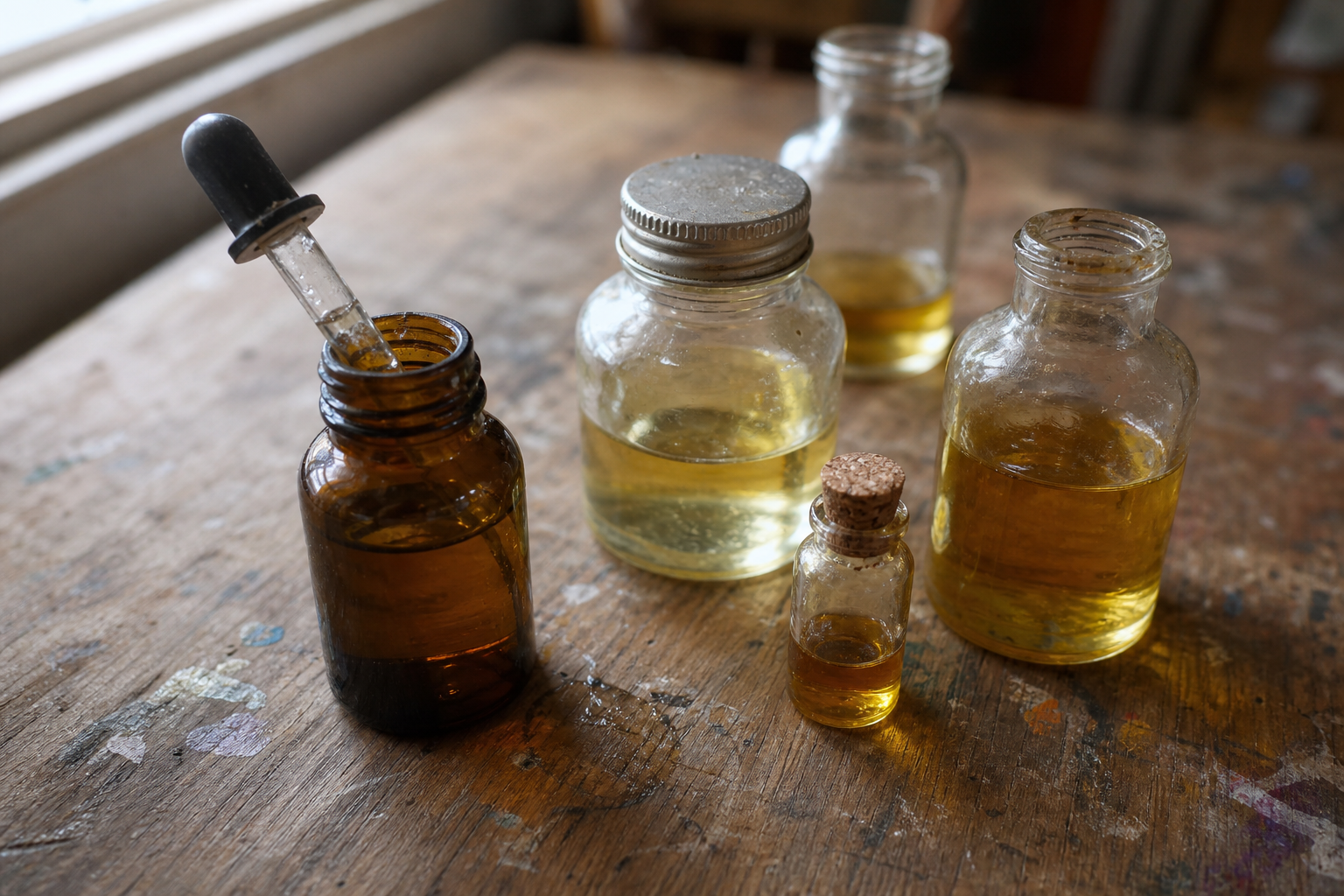
Here's the thing most beginners don't realise: linseed oil is already in your paint. It's the binder that holds the pigment together and forms a flexible film as it dries. When you squeeze paint from a tube, you're squeezing out pigment suspended in linseed oil (or occasionally walnut or safflower oil, depending on the manufacturer and colour).
Adding more linseed oil as a medium doesn't thin the paint the way water thins watercolour. It changes how the paint behaves: it flows more readily off the brush, becomes slightly more transparent, and takes on a higher gloss when dry. You might add a drop or two to improve workability in a particular passage, or to make paint more transparent for a glaze.
The trade-offs matter though. More oil means slower drying, and a longer drying time outdoors in cool or damp conditions compounds the problem. It also increases the risk of wrinkling if applied too heavily, particularly in thick passages. More oil content in your paint also means greater risk of the film eventually becoming soft if layers aren't applied in the right order (more on that shortly).
In practice, linseed oil adjusts four things: flow, transparency, gloss, and drying speed. Understanding those four variables is most of what you need to know.
Less is more
Modern tube oil paints already contain optimised amounts of linseed oil. If you add a medium, a few drops on the palette is usually enough. More oil means longer drying times and a greater risk of wrinkling.
The Main Types of Linseed Oil and Mediums for Oil Painting
Oil painting mediums are not interchangeable. Each type has a different character and is better suited to certain situations. Here's what you actually need to know about each one.
Refined Linseed Oil
This is the standard starting point, and for good reason. Refined linseed oil is pale yellow, widely available, inexpensive, and does exactly what most painters need: it improves flow, increases transparency slightly, and raises the gloss level of paint. It's suitable for general studio and outdoor use, and it's almost certainly the right choice if you're buying your first medium.
The main caveat is yellowing over time, particularly in pale passages. In cooler, darker conditions, linseed oil can develop a yellowish cast. It's worth knowing about, though for most plein air landscape painters working with warm, earthy palettes, it rarely causes noticeable problems in practice.
Cold-Pressed Linseed Oil
Cold-pressed linseed oil is extracted without heat, which many manufacturers and traditional painters consider to produce a higher-quality, more elastic film. It's slightly darker than refined linseed and a touch more expensive, but not dramatically so.
Michael Harding, one of the most respected UK oil paint manufacturers, uses cold-pressed linseed as the binder in his artist-quality paints. That tells you something about its reputation among serious painters. If you want a traditional approach and don't mind the slightly warmer tone, cold-pressed is a worthwhile step up from standard refined.
Stand Oil
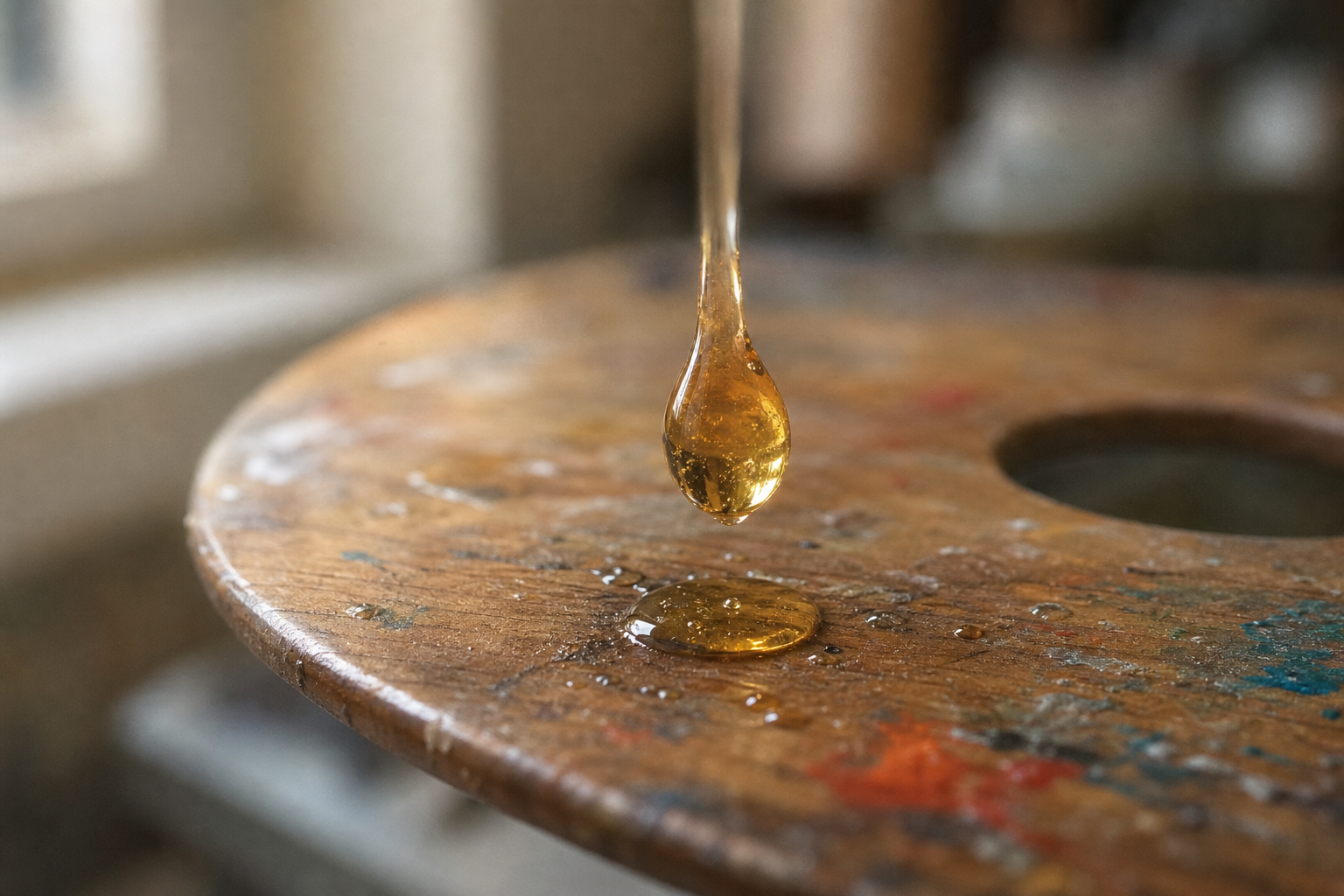
Stand oil is linseed oil that has been heated to a high temperature, resulting in a thick, honey-like consistency with very different handling qualities. It produces fewer visible brush marks, a high gloss, and a more elastic, tough film than refined linseed. It also yellows less than standard linseed over time.
The significant trade-off is drying speed: stand oil dries noticeably more slowly than refined linseed. It's rarely used straight from the bottle; most painters add a small amount to a medium or to refined linseed to adjust handling for upper glazing layers. It's best treated as a studio or finishing medium rather than something you'd lean on heavily outdoors.
Jackson's
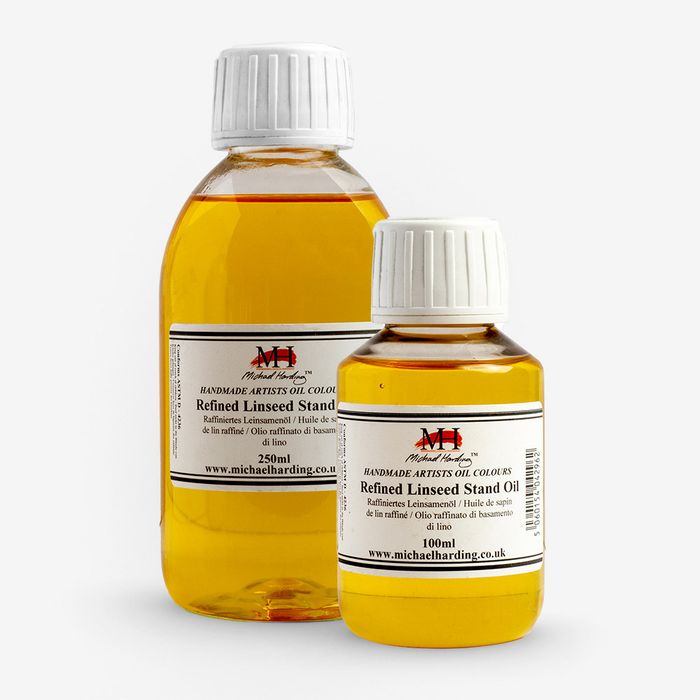
Michael Harding : Refined Linseed Stand Oil
Michael Harding Refined Linseed Stand Oil Is A Viscous, Pale Oil Medium Extracted From Linseed. Linseed Stand Oil Will Level Out Brushstrokes In Oil Paint And Slow The Drying Process. It Has A Honey-like Viscosity And Should Be Used Sparingly.
Walnut Oil
Walnut oil is the most practical alternative to linseed for painters who are worried about yellowing. It's lighter in colour than linseed and produces less yellowing over time, making it a popular choice for whites, pale blues, and cool passages where linseed's warmth might be unwelcome.
It dries slightly more slowly than refined linseed and produces a somewhat softer film, so it's not ideal for heavy underlayers or impasto work. It's best used in the upper layers or in lighter-coloured passages where the reduced yellowing is most valuable. Several oil paint manufacturers, including some of the larger UK colourmen, specifically use walnut oil in their white paints.
Jackson's
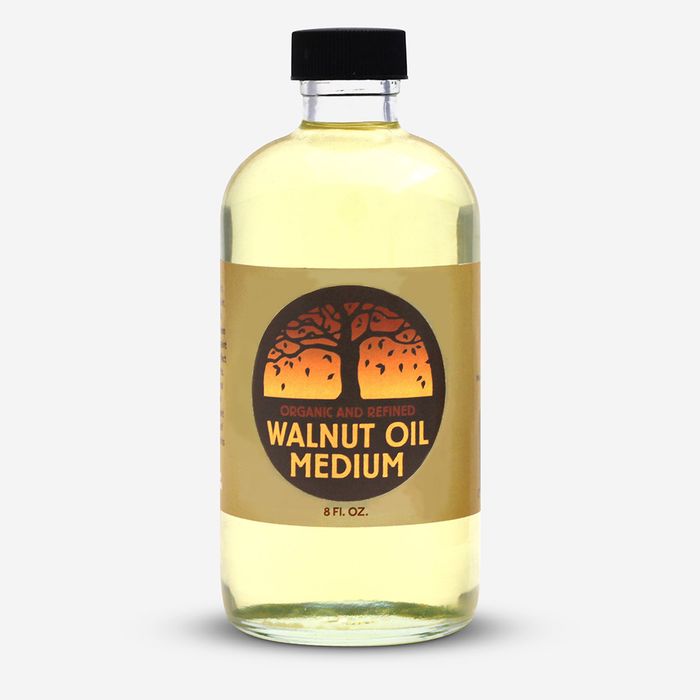
Natural Earth Paint : Walnut Oil (Refined) : 237ml
Natural Earth Paint Walnut Oil (Refined) Is A Medium For Oil Painting As Well As A Binder To Mix With Pigments To Make A Smooth, Rich Oil Paint. This Slow-drying Oil Is Less Yellowing Than Linseed Oil And Is Ideal For Mixing With Pigments, Thinning Mixed Paint, Cleaning Brushes,
Alkyd Mediums
Alkyd mediums are a different category altogether, and they deserve special attention for outdoor painters. Alkyds are oil-modified synthetic resins that, when mixed with oil paint, dramatically reduce drying time. A panel painted with an alkyd medium can be touch-dry within 24 hours rather than several days.
For plein air work, that speed is genuinely useful. If you're driving home after a painting session, you don't want wet paint sliding around in your bag. Alkyd mediums give you panels you can handle sooner. The trade-offs are real too: alkyd mediums can make paint feel slightly stiffer and the approach isn't traditional, which matters to some painters and not at all to others. Used in small amounts, the difference in handling is modest and the faster drying is a meaningful practical gain.
Alkyd mediums worth considering
Jackson's : Alkyd Oil Medium
Gamblin : Solvent Free Fluid Oil / Alkyd Painting Medium : 125ml
Which Oil or Medium is Best for Plein Air Painting?
Outdoors in the UK, you're usually working quickly. Light changes fast, the weather rarely holds still, and there's often a practical limit on how long you can set up and stay in one spot. That context changes what makes a good medium.
A medium that slows drying down further is a real liability on a cool, grey October morning on the South Downs. Cool air and damp conditions already slow the drying of oil paint considerably. Adding stand oil in generous amounts on a day like that is asking for trouble. The medium choice matters.
| Medium | Effect on drying | Yellowing risk | Best use outdoors |
|---|---|---|---|
| Refined linseed oil | Slightly slower | Moderate | General use, affordable starting point |
| Cold-pressed linseed | Slightly slower | Moderate | Traditional approach, all-round layers |
| Stand oil | Noticeably slower | Low-moderate | Glazes and upper layers only |
| Walnut oil | Slightly slower | Low | Pale colours and cool passages |
| Alkyd medium | Much faster | Low | When you need panels dry for transport |
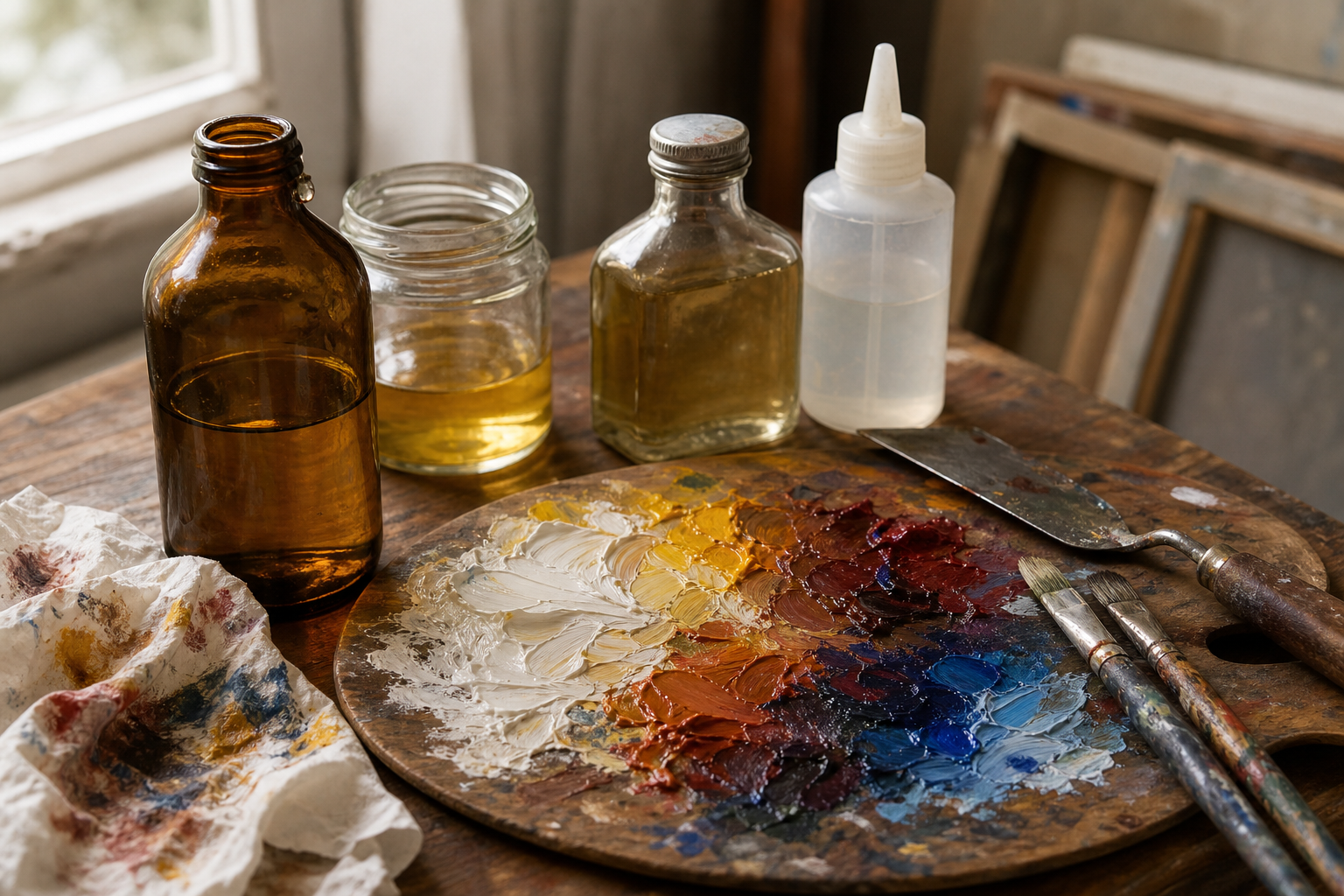
For most plein air oil painters, the sensible default is refined or cold-pressed linseed oil used sparingly. It's widely available, inexpensive, easy to find in UK art shops, and does exactly what you need. If fast drying is a genuine priority, particularly if you're transporting panels the same day, a small amount of alkyd medium mixed into your paint is a practical solution worth trying.
Reserve stand oil for the studio, or for glazing over dried outdoor studies once you're back home. It has a place in the toolkit, just not usually on location.
A Quick Guide to Using Linseed Oil Without Getting Into Trouble
The principles here are simple once you know them, and they apply whether you're working outdoors or in.
How to use linseed oil effectively
Start lean
Begin your painting with little or no added medium. Use paint direct from the tube, possibly loosened with a small amount of solvent if you work that way.
Add medium gradually in later layers
As you build up, you can introduce a small amount of linseed oil or stand oil to increase flow and gloss. This follows the "fat over lean" principle: oilier paint should go on top of leaner underlayers. Reversing this order is one of the most common causes of cracking in oil paintings over time.
Use drops, not glugs
Add medium to a small palette cup, one or two drops at a time. Dip a clean brush in and mix into the paint. You want to adjust the handling, not flood the paint.
Manage your rags carefully
Linseed-soaked rags and cloths can self-heat and pose a genuine fire risk. Spread them flat to dry in a well-ventilated area, or submerge in water before disposal. This matters as much on location when you're packing up as it does in the studio.
The Old Holland Oil Painting Medium: A Closer Look
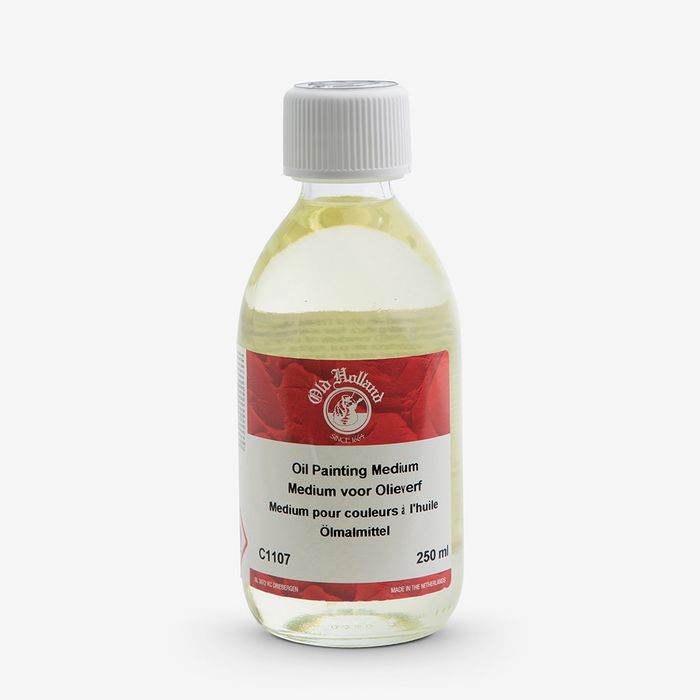
If you'd rather not experiment with ratios and just want a ready-mixed medium that does the work for you, Old Holland's Oil Painting Medium is worth knowing about. Old Holland is one of the oldest and most respected names in professional oil painting, and their medium is a well-formulated linseed-based option that improves flow and transparency without making the paint runny or unpredictable.
It's available in multiple sizes (100ml through to 1,000ml), which makes it a practical choice for painters who use a medium regularly.
Jackson's
Old Holland : Mediums : 250ml : Oil Painting Medium
Old Holland Oil Painting Medium Is Made From A Mixture Of Linseed Oil, Turpentine, And White Spirit. This Medium Thins Oil Paint And Enhances Flow. It Reduces The Gloss And Has Little Effect On The Drying Time. Warning: Contains Flammable Chemicals Or Substances That Can Ignite.
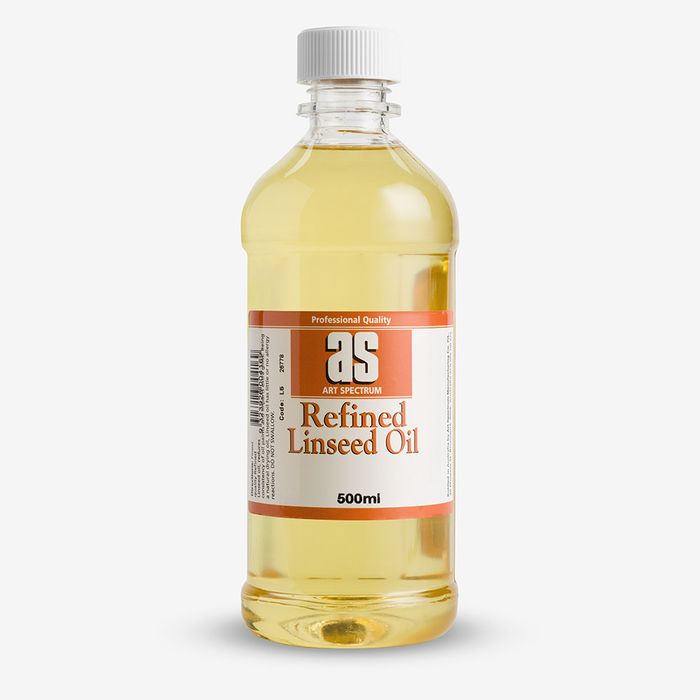
If the Old Holland price point puts you off, Art Spectrum's refined linseed oil is a no-frills alternative that does exactly what it says. It's straightforward, competitively priced, and a sensible first bottle.
Jackson's
Art Spectrum : Refined Linseed Oil : 500ml
Art Spectrum Refined Linseed Oil Is A Classic Oil Painting Medium That Will Improve Consistency, Enhance Flow, And Slow The Drying Time Of Oil Paints. This High Quality Medium Increases Gloss And Can Be Used As A Vehicle For Alla Prima Techniques Where The Artist Quickly Paints W
Linseed Oil and Yellowing: What You Actually Need to Know
Yellowing gets talked about more than it probably deserves to, particularly among painters who work outdoors. Yes, linseed oil does yellow over time, especially in pale passages and when paintings are stored away from natural light. But there's important context.
Exposure to natural light can partially reverse the yellowing process. This is a well-established finding in conservation research, and it's one reason why paintings kept in well-lit rooms tend to show less yellowing than those stored in dark conditions. The practical implication is that paintings which go up on a wall and stay there fare better than those kept in a drawer.
For most plein air landscape painters, yellowing is rarely a significant problem in practice. Warm, earthy palettes, greens, ochres, siennas, are much less susceptible than pure whites or pale lavenders. If you're regularly mixing cool, pale passages and you're concerned about yellowing, switching to walnut oil for those specific colours is a sensible and simple solution.
Lead with reassurance here: if you're painting landscapes outdoors with a fairly standard warm palette, refined linseed oil will not meaningfully distort your colours over a reasonable timescale. It's worth knowing about, not worrying about.
Where to Buy Linseed Oil and Mediums in the UK
All of the products mentioned in this article are stocked by UK suppliers. These are the main options worth knowing about:
- Jackson's Art covers the widest online range, with competitive pricing and their own-brand alkyd medium among the most affordable options available
- Ken Bromley has a strong mediums selection and is reliable for mail order if you're not near a major city
- Cass Art is worth visiting in person if you're near one of their branches, particularly if you want to compare bottle sizes before buying
- Great Art is worth checking for larger bottle sizes if you get through medium quickly
Most of the products linked in this article are available through Jackson's.
FAQ
Frequently Asked Questions
Which linseed oil or medium is best for plein air painting?
For most outdoor work use refined or cold-pressed linseed oil sparingly. If you need panels dry quickly for transport, add a small amount of alkyd medium. Reserve stand oil for studio glazing and finishing.
Will linseed oil make my colours yellow?
Linseed oil can yellow over time, especially in pale passages and in dark storage. Natural light reduces yellowing. For cool or very pale passages consider walnut oil to reduce the effect.
How much linseed oil should I add to paint outdoors?
Add just a few drops at a time. Start lean and introduce medium gradually as you build layers. The aim is to improve flow and gloss, not flood the paint.
Are alkyd mediums suitable for outdoor painting?
Yes. Alkyds speed drying dramatically and are useful when you need touch-dry panels the same day. They can feel slightly stiffer but are very practical for plein air transport.
Are linseed-soaked rags a fire risk and how should I dispose of them?
Yes. Linseed-soaked rags can self-heat. Spread them flat to dry in a ventilated area or submerge them in water before disposal to prevent spontaneous combustion.
Author

PleinAirPainting Editorial Team
PleinAirPainting.co.uk helps artists paint outdoors with confidence through UK-focused guides, equipment advice, resources and plein air inspiration.