The Complete Buyer's Guide to Plein Air Easels for UK Artists (2026)
Practical 2026 guide to choosing a plein air easel in the UK. Covers French easels, field easels, pochade boxes and micro kits with UK weather, terrain and transport advice.

Key takeaways
- • There is no single best plein air easel; choose based on transport, panel size, medium and frequency of outings.
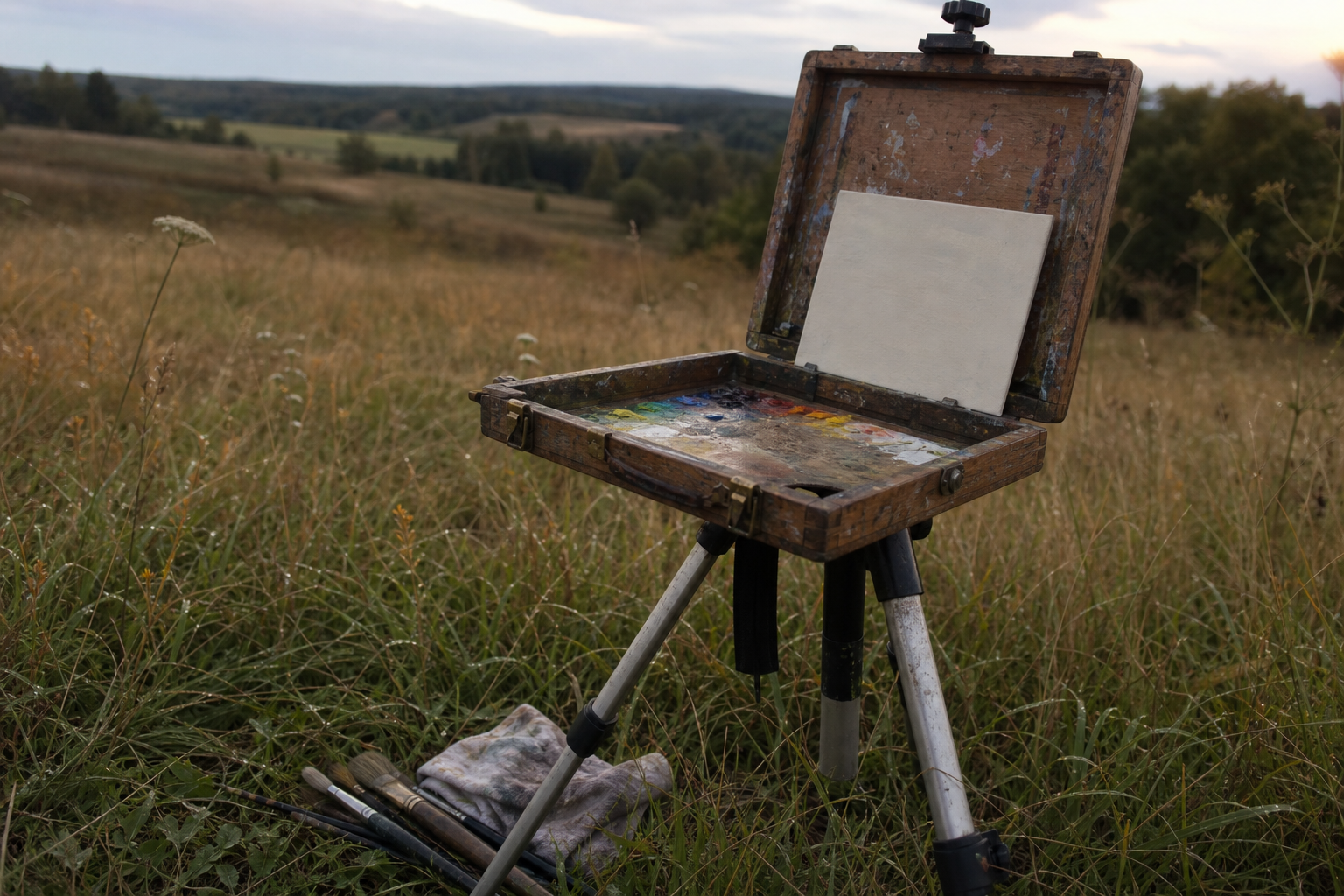
- • Pochade box on a tripod is the most versatile option for UK terrain and public transport once you learn the setup.
- • French easels suit car-based painters and larger formats but are heavy and awkward on slopes or in wind.
- • Tilting aluminium field easels are ideal for watercolourists and beginners who need a lightweight, quick option.
- • Plan for wind, damp and uneven ground when choosing materials and accessories like backpacks, panel carriers and tripod hooks.
You're standing on a clifftop above a Cornish cove, the light is doing something extraordinary, and you're wrestling with an easel that won't sit level on the uneven ground. You've got twenty minutes before the clouds shift and the whole thing changes. An ill-suited plein air easel doesn't just slow you down in moments like that; it chips away at the whole experience until you start leaving the gear at home. The right easel, on the other hand, almost disappears. You set up quickly, you paint, and the gear stops being a distraction.
This guide covers every main type of plein air easel available in the UK right now: French easels, field easels, pochade box and tripod systems, and lighter micro setups. For each category, you'll find honest trade-offs, practical observations shaped by UK conditions, and specific products you can actually buy from UK suppliers. The goal is to help you arrive at a confident decision without spending a frustrating afternoon trawling through US-centric reviews priced in dollars.
What Type of Plein Air Easel Do You Actually Need?
There is no single best plein air easel. That might sound like a cop-out, but it's genuinely true, and understanding why will save you money. The right choice depends on how you travel to your painting spots, what size you work at, which medium you use, and how often you'll realistically go out. A pochade box on a tripod is a superb system for a regular oil painter who catches the train to the coast most Sundays. It would be overkill and expensive for someone who goes out four times a year with a watercolour block.
Many experienced plein air painters end up owning more than one system over time, usually starting with something simpler and building from there. But you don't need to plan for that now. The table below gives you a quick starting point.
| Your situation | Best match | Why |
|---|---|---|
| Drive to locations, paint 12×16 or larger | French easel or sturdy field easel | Stability and storage for larger work; weight less critical |
| Walk or cycle to spots, paint up to 11×14 | Pochade box + tripod | Compact, fast setup, handles UK terrain well |
| Commute by train or bus | Pochade box + tripod | Slim, fits overhead luggage, quick to deploy |
| Mostly watercolour or gouache, seated work | Lightweight field easel or lap board | Simpler and lighter; no need for box storage |
| Total beginner, occasional outings | Budget field easel | Low commitment, low cost; upgrade later if the habit sticks |
French Easels: Traditional, Stable, and Worth the Weight?
A French easel is the easel most people picture when they imagine a painter working outdoors: a solid wooden box with extending legs that fold out like a tripod, a drawer for supplies, and a built-in palette. The canvas or board slots into an adjustable ledge at the top. The whole unit folds up into something that resembles a chunky briefcase and can be carried by a leather handle or shoulder strap.
In practice, it's a self-contained studio you carry to your spot. Paints, brushes, medium bottles, a palette, and spare panels all live inside. If you're working from a car park or a short, level walk from the road, that integration is genuinely convenient. You arrive, unfold, and everything is there.
The trade-offs are real, though, and worth being clear about. A French easel fully loaded with painting materials weighs somewhere between five and seven kilograms. That's a significant carry over any distance, and it begins to feel punishing on a moorland path or a shingle beach. On uneven or sloped ground, which is standard across most of the UK's most beautiful painting locations, the four-legged design can be awkward to level. You can adjust the leg lengths individually, but it takes time and patience you may not have when the light is changing fast.
Wooden hardware also deserves a mention for UK painters specifically. Damp coastal air, morning mist, and the general British tendency towards drizzle mean that untreated wooden joints can swell, stick, and gradually degrade. A light waxing once or twice a year helps considerably.
French easel for plein air
Pros
- + Good stability on level ground
- + Integrated storage keeps paints, brushes, and palette in one unit
- + Supports larger canvases and boards
- + Several options available from UK suppliers at a range of prices
Cons
- - Heavy: typically 5–7 kg fully loaded
- - Slow to set up compared with tripod systems
- - Awkward on uneven or sloped ground (common in the UK)
- - Wooden hardware can swell or rust in damp conditions
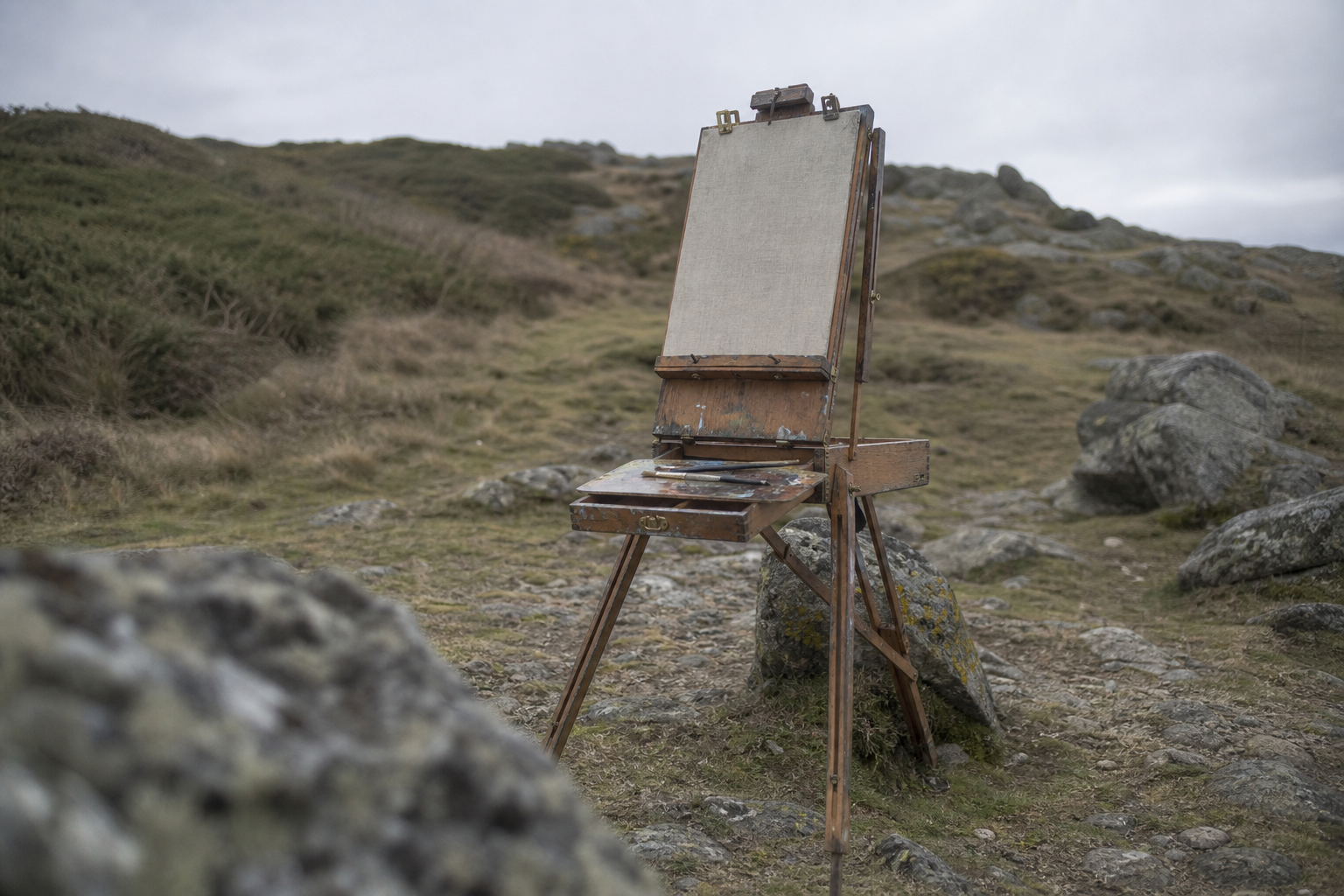
Here are the French easel options currently available from Jackson's, covering a range of budgets and build levels:
Jackson's
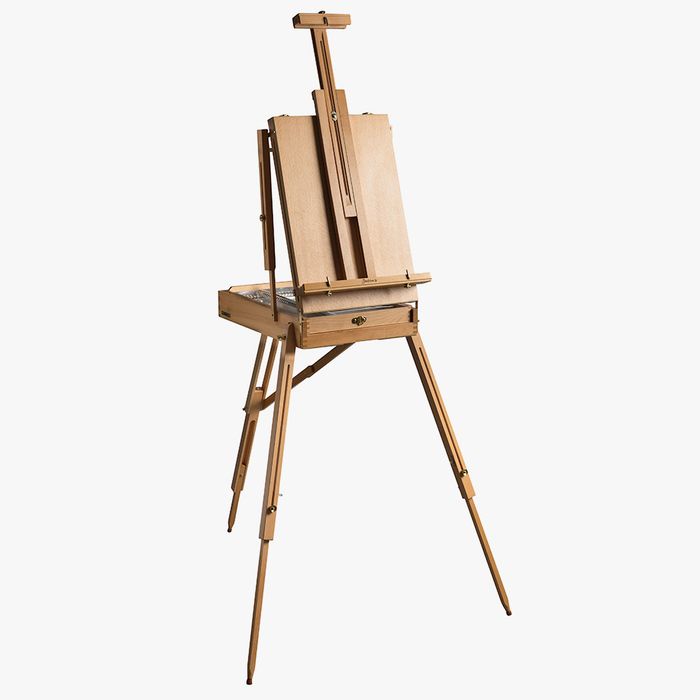
Jackson's : French Style Box Easel
This French-style Box Easel Is Versatile And Ideal For Using Outdoors For Plein Air Painting, Or For Those Who Need A Compact Easel For Their Home Studio. It Easily Holds All Of Your Essential Paints And Brushes And Folds Up So That It’s Easy To Carry And Store. There’s Enough Sp
Jackson's
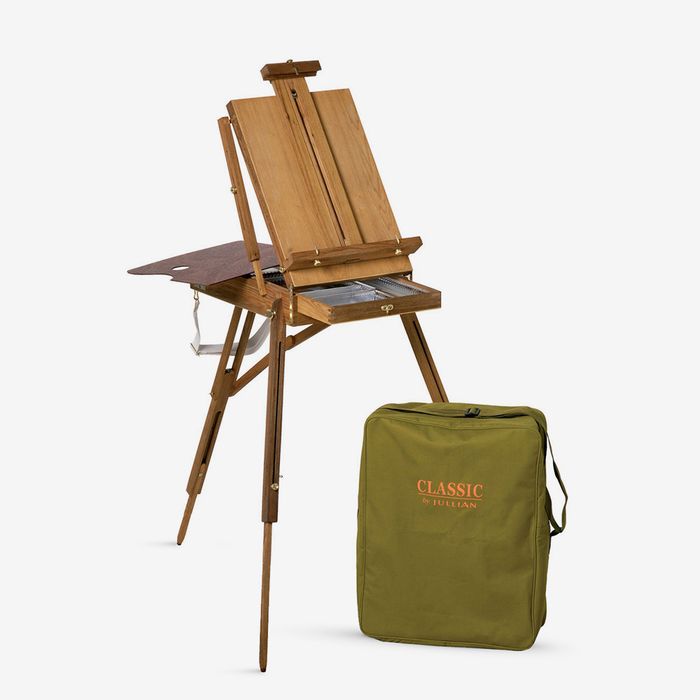
Jullian : Full Classic French Easel : Beechwood : With Carrying Bag
Made Of Oiled Beechwood, This Easel Offers The Main Features Of The Successful Original Jullian French Easel. It Has Brass Plated Fittings, Plastic Moulded Feet, A Metal Lined Interior Drawer With Adjustable Dividers, A Varnished Wooden Palette, And A Natural Linen Shoulder Strap
Jackson's
Jullian : Full Premium French Easel : Beechwood : With Carrying Bag
Designed For Plein-air Painting, The Jullian Full Premium French Easel Is A Contemporary Standard For Plein-air Painting Which Has Been Praised By Painters Since The 19th Century. Made Of Premium Quality Beechwood, This Easel Has Riveted Major Metal Parts To Ensure Lifetime Durab
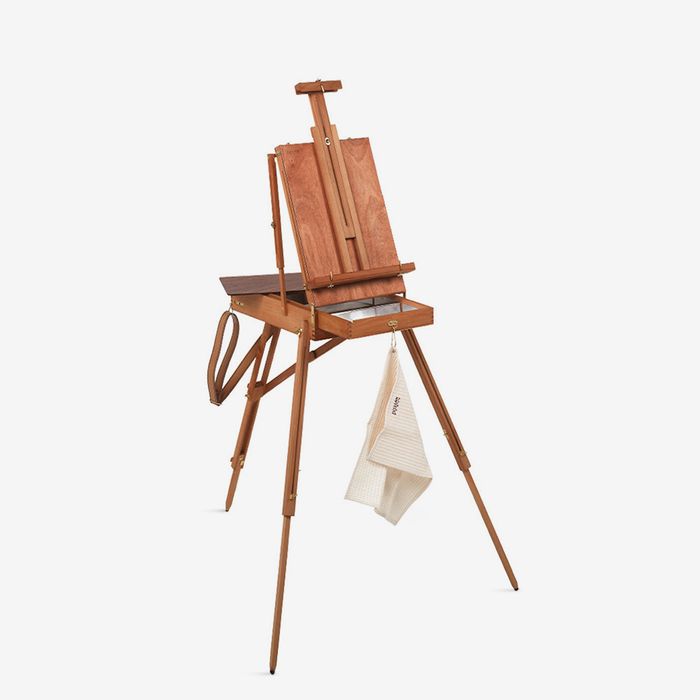
The Jackson's French Style Box Easel is a solid mid-range starting point if you want to try the format without committing to a high-end price. The Jullian Classic represents a step up in build quality and is worth considering if you know you'll use a French easel regularly. The Jullian Premium is genuinely well-made and built to last for decades, but at £389 it's a serious investment, and it doesn't get any lighter. Be honest with yourself about how often you'll actually carry it before spending at that level.
Field Easels: The Lightweight Middle Ground
A field easel is what you get when you strip the French easel back to its essentials: three adjustable legs, a support arm, a canvas ledge, and nothing else. No integrated box, no drawer, no palette. Just a lightweight frame that holds your board or canvas at the right height and angle. You bring your paints in a separate bag or pochade-style paint box.
The result is considerably lighter than a French easel, and considerably simpler to set up. Aluminium field easels in particular fold flat and slip into a backpack or along the side of a holdall without trouble. They're a practical choice for anyone who travels by train or bus, and they're well-suited to artists who prefer to keep their painting kit and their easel separate.
The trade-off is wind stability. Cheaper aluminium field easels are light enough that a decent gust can shift them, and if you're working on an exposed Yorkshire moor or a Norfolk coastal path, you'll notice it. Weighing down the legs with a bag of gear helps, but it's a limitation worth knowing about.
Watercolourists will find field easels particularly useful. Because you're typically working flat or at a gentle angle with watercolour, you don't need the storage and structural depth of a French easel. A tilting field easel gives you the angle control you need without the weight you don't.
Good for watercolourists
A tilting aluminium field easel is often the most practical choice for watercolour plein air work. It keeps your board at the right angle, folds flat for the bus or train, and doesn't weigh you down with storage you don't need.
Here are the field easel options available from Jackson's, across different price points and formats:
Field easels available from Jackson's
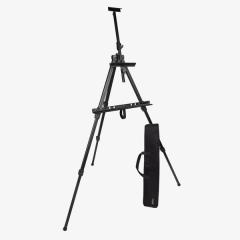
Studio Essentials : Aluminium Tilting Watercolour Field Easel
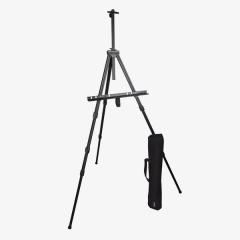
Studio Essentials : Aluminium Non Tilting Sketching Field Easel
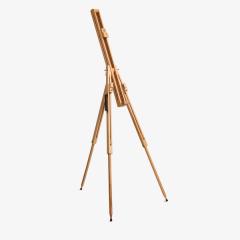
Tart Company : Field Easel : Large
The Tart Company Large Field Easel at £29 is genuinely worth considering as a first outdoor easel. It won't be the last easel you ever buy, but if you're not yet sure whether outdoor painting is going to become a regular habit, it's a low-risk way to find out. The Studio Essentials Aluminium Tilting model at £69 is the better long-term choice for watercolourists: the angle adjustment makes a real difference when you're managing wet washes on a slope.
Pochade Box and Tripod: The Setup Most Serious Plein Air Painters End Up With
If you talk to people who paint outdoors regularly in the UK, a significant proportion of them will have arrived at the same setup: a compact pochade box mounted on a camera-style tripod. It's not the only way to paint outside, but there's a reason it's become the default for so many working plein air painters.
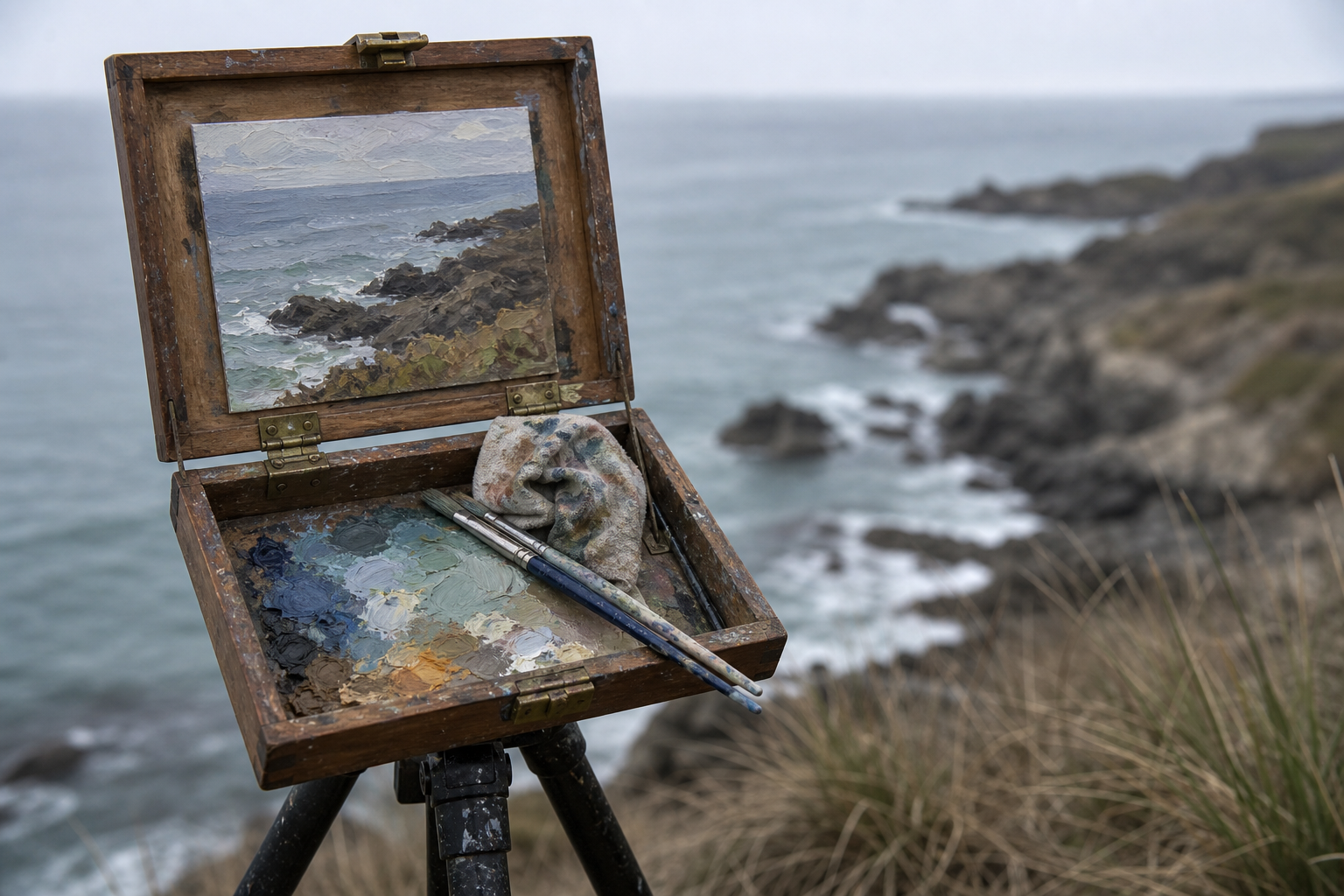
A pochade box is a compact wooden or composite box, roughly the size of a large hardback book, that holds a palette, small paint tubes, brushes, and a stack of panels. The hinged lid opens and props up to act as the panel holder, with adjustable slats that grip the edges of your painting surface. The base of the box has a standard threaded socket that screws directly onto a tripod head, so the whole unit sits at working height without any additional easel structure.
The system's strengths are directly relevant to UK conditions. Tripods handle uneven ground far better than four-legged French easels: each leg extends independently, and with a ball head you can level the box quickly even on a steep coastal slope. The overall footprint is compact. Folded down, the box and tripod together take up much less space than a French easel, and they fit into a rucksack or overhead luggage compartment without a struggle.
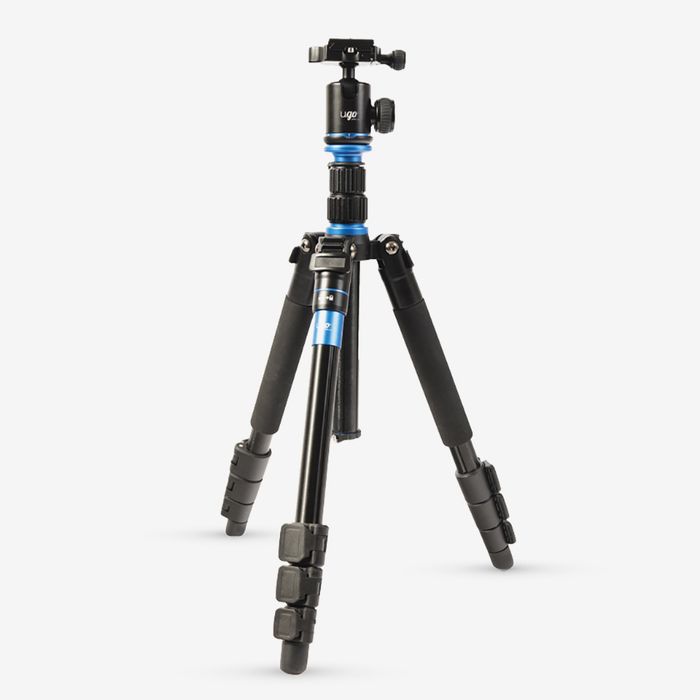
One practical point on tripod compatibility: most pochade boxes mount on a standard quarter-inch or three-eighths-inch threaded stud. A ball head with a quick-release plate makes attaching and repositioning the box straightforward. If you already own a photographic tripod, check the thread size and weight rating before assuming it'll work; many lightweight photo tripods are fine for cameras but less suitable for a fully loaded pochade box plus panel. A dedicated plein air tripod, like the New Wave U.GO LCS1, is designed specifically for this use and handles lateral tilt and outdoor conditions well.
It's worth being direct about cost. Box and tripod are almost always bought separately, and a quality combination adds up. A solid pochade box will typically cost between £100 and £250; a decent tripod for plein air use adds another £100 to £250 or more. You could spend considerably more. This is a real investment, and anyone who implies otherwise isn't being straight with you. If your budget is tight, start with a simpler field easel and build up to a pochade system once you know the habit has taken hold.
Managing wind with a tripod setup
Lower the tripod legs to drop your working height — it makes a real difference in a breeze. Spread the legs wide for a lower centre of gravity, and hang a bag of gear from the centre column if your tripod has a hook. Work on smaller panels when it's gusty: a 6×8 or 8×10 gives the wind far less to catch than an 11×14.
Here are the pochade boxes and tripod options worth looking at:
Jackson's
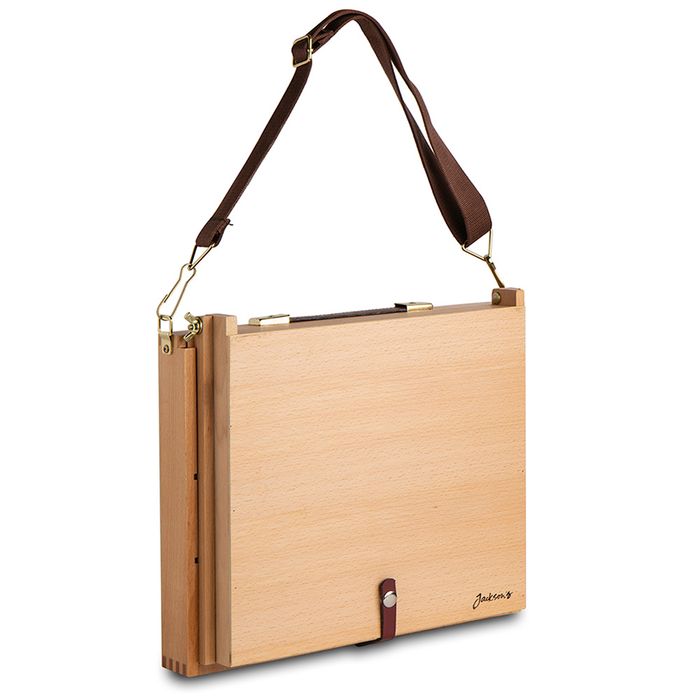
Jackson's : Pochade Painting Box
This Pochade Painting Box Is Perfect For Setting Up A Workplace In The Home Or Painting Plein Air. Its Lid Folds Out To Provide An Easel With Handy Slots For Storing Two Wet Boards After Working. This Easel Can Be Secured At Your Desired Angle Using The Built-in Screws And Butter
Jackson's
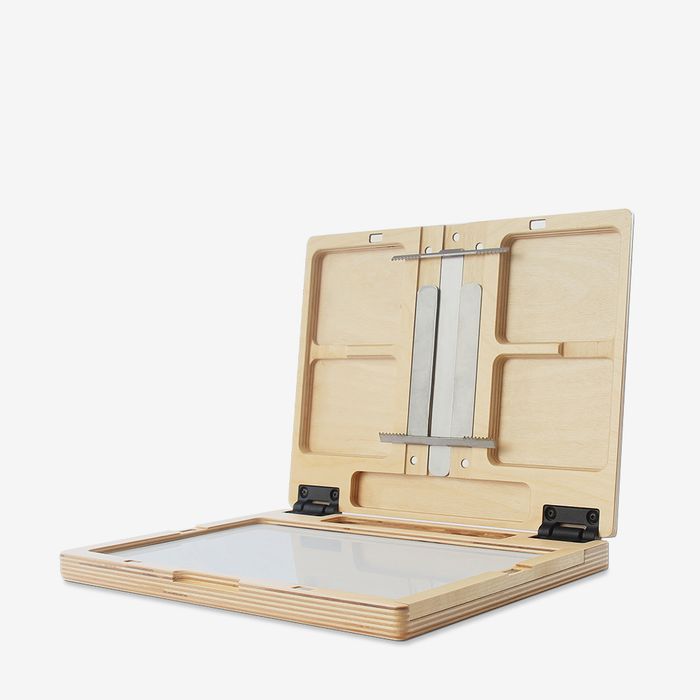
New Wave : U.GO : Plein Air : Anywhere : Pochade Box : 8.4x11.25in (Apx.21x29cm)
New Wave U.go Anywhere Pochade Box Is Designed For Plein Air Painting And Has A Number Of Unique Features To Enhance The Painting Experience When Outdoors.Each Pochade Box Is Handcrafted And Made With Hand-sanded Baltic Birch. It Is Then Finished With A New Wave Proprietary Wood
Jackson's
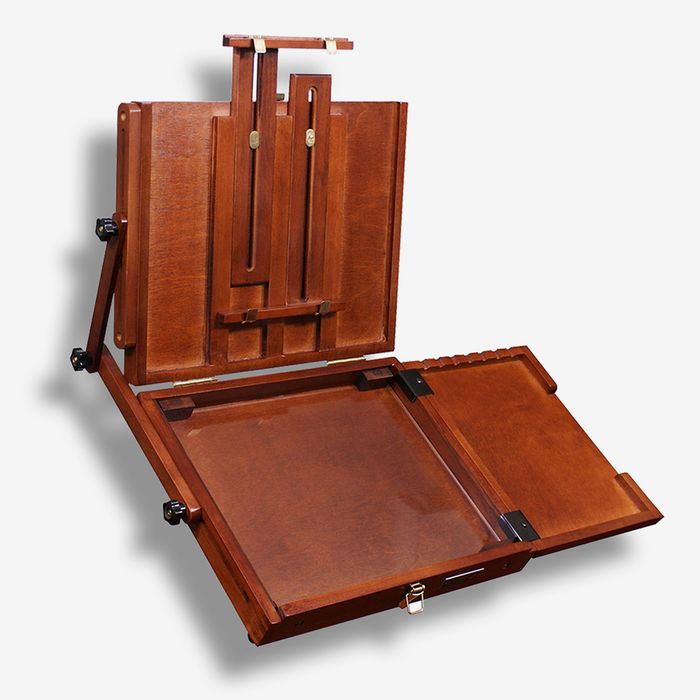
Richeson : Sienna : Pochade Box : Medium
Richeson's Pochade Box Is Designed With Ease Of Use, Durability, And Versatility In Mind. Made To The Highest Quality In The US, This Box Is Beautiful To Look At And Easy To Use. Richeson's Pochade Box Is Essentially An Easel And A Palette In One, Making It A Fantastic Choice For
Jackson's
New Wave : U.GO : Plein Air : Tripod LCS1
The U.go Tripod LCS1 Has Been Designed By New Wave Specifically For The Plein Air Painter. The LCS1 Is A Practical Tripod That Ticks All The Boxes For Studio Use Or Outdoor Painting - It Is Lightweight, Compact, Sturdy, And Affordable. Specifications: * Lightweight | 2.9 Lbs (1.3
The Jackson's Pochade Box is an accessible entry point into the format, and it makes sense if you want to try the system before committing to a higher price. The New Wave U.GO Anywhere is a well-regarded modular system with a strong following among regular plein air painters; its design makes swapping panels and adjusting the setup genuinely quick. The Richeson Sienna Medium sits in the solid mid-range: well-built, practical, and sized for the formats most outdoor painters work at.
Pochade box at a glance
- Typical box weight
- 1–2 kg
- Typical tripod weight
- 1–2 kg
- Common panel sizes
- Up to 11×14 in
- Setup time
- 2–3 minutes
- Typical total cost (box + tripod)
- £250–£500+
Before paints and panels
Varies by material and height
Larger boxes accept up to 14×18 in
Once you know the system
Depending on brands chosen
One honest caveat: a pochade system takes a session or two to get comfortable with. The first time out, you'll spend more time fiddling with the panel slats and the tripod head than you'd like. Stick with it. By the third or fourth outing, the setup becomes quick and intuitive, and the advantages over a French easel in rough terrain or on public transport will make themselves obvious.
Lightweight and Micro Setups: When You Just Want to Travel as Light as Possible
There's a growing category of plein air gear that sits beyond even the pochade box in terms of compactness: micro boards, fold-out watercolour travel kits, and ultra-minimal setups designed for painters who want everything to fit in a small daypack or a coat pocket. These are popular with urban sketchers, hikers, and anyone who regularly travels by air.
The format suits small work, typically A5 to A4 equivalent, or roughly 6×8 to 8×10 inches. That's a genuine constraint if you're used to working at 11×14 or larger, but for quick studies, colour notes, and on-the-go observational work, it's often enough. The discipline of working small outdoors has a lot to recommend it in any case: you focus on the essentials, you finish pieces, and you can get a dozen studies done in a day without exhausting yourself.
A number of small makers, including independent craftspeople selling on Etsy and through their own sites, produce custom micro pochade boards and travel setups to very high standards. Quality varies considerably, and stock can be inconsistent, so it's worth doing some research into specific sellers before buying. For this kind of setup, watercolour and gouache work better than oils; they dry faster, require fewer accessories, and don't raise the same transport concerns.
If you're flying to paint
A micro pochade or compact fold-out watercolour box that fits in hand luggage changes what's possible entirely. Check the dimensions carefully against your airline's cabin bag rules before you buy.
How to Choose a Plein Air Easel: The Practical Decision Framework
With the main categories covered, it helps to work through a few practical questions rather than just picking based on what looks appealing in a catalogue. Here are the five questions that matter most.
How do you get to your painting spots? If you drive to locations and the walk from the car is short and level, a French easel or a robust field easel is perfectly workable. You can afford the weight. If you walk any significant distance, use public transport, or cycle, the calculation changes quickly. On a train, a French easel is awkward to carry and takes up seat space or corridor room. A slim field easel or a pochade box in a rucksack is a straightforward alternative.
What size do you paint outdoors? If you work at 11×14 or smaller, a pochade box handles this well and gives you plenty of flexibility. If you regularly work at 12×16 and above, you'll either need a pochade box with extended panel capacity, or a field or French easel that can accommodate larger boards.
Which medium do you use? Watercolourists generally work better with a simple tilting field easel than with a pochade system. The angle matters more than the storage, and you don't need the palette integration that oils painters rely on. Oil and acrylic painters tend to get considerably more from a pochade setup, where the integrated palette and panel storage genuinely streamline the process.
How often will you go out? If you're just beginning and genuinely unsure whether outdoor painting is going to become a regular thing, start with something inexpensive and low-commitment, like the £29 Tart Company field easel. There is no shame in that. Buy the serious kit once you know you need it. If you're already going out regularly and your current setup is frustrating you, that's the signal to invest properly.
Are you comfortable with a learning curve? French easels are relatively intuitive from the start: open it up, adjust the legs, start painting. Pochade systems take a little more time to get dialled in, particularly the tripod head adjustment and the panel slat system. Once you know it, it's fast; the first few sessions may test your patience. If you're the kind of painter who prefers to focus on painting and not on gear, factor that in.
If you want one honest, direct steer: a tripod-based pochade box is the setup most regular plein air painters end up relying on. It handles UK terrain well, it travels easily, and it sets up fast once you know it. But it is not right for everyone, and the article has shown why. A French easel is a legitimate choice for car-based painters who value storage and working larger. A simple field easel is the right starting point for watercolourists and beginners. None of these options are wrong; they suit different painters in different circumstances.
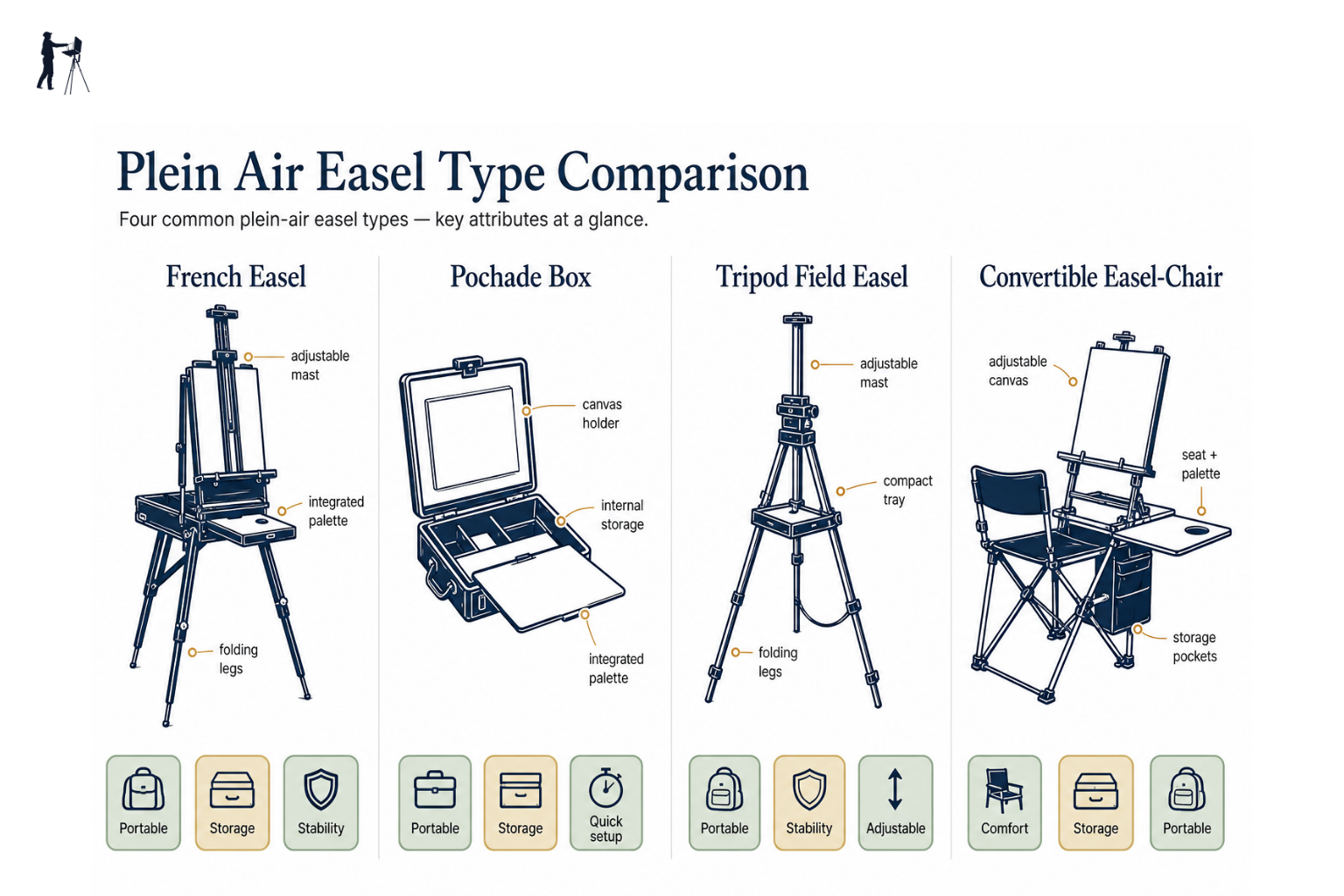
How to choose your plein air easel
Work out how you travel
If you drive to spots and have a short walk, a French or field easel is workable. If you walk far or use public transport, go lighter.
Decide on your typical format
Painting up to 11×14? A pochade box handles this well. Larger than that? You'll need a field or French easel.
Consider your medium
Watercolourists often do well with a simple tilting field easel. Oil and acrylic painters usually get more from a pochade setup.
Be honest about how often you'll go out
If you're not sure the habit will stick, start with a budget field easel. Upgrade once you know you need it.
Think about setup time
If faffing about with gear puts you off painting, prioritise simple, quick systems. A pochade with a quick-release tripod head is hard to beat here.
UK-Specific Considerations: Weather, Terrain, and Getting There
Most of the plein air easel content you'll find online is written for American painters, with American terrain and American transport in mind. The UK is different in ways that genuinely affect which easel you should choose.
Wind is the dominant practical challenge. On the South West Coast Path, in the Peak District, on the Pembrokeshire cliffs, or along any exposed estuary, wind is a constant companion. French easels on level ground can be surprisingly stable, but on any kind of slope or rough surface they can shift or tip. Tripod systems have a clear advantage: you can lower the legs to reduce the centre of gravity, spread them wide for stability, and hang a bag of kit from the centre column hook if your tripod has one. Working on smaller panels in gusty conditions also helps; a 6×8 inch panel gives the wind considerably less to catch than a 12×16.
Damp and rain require some forward planning. Wooden French easels and wooden field easels are vulnerable to prolonged exposure to damp air and occasional rain. The joints can swell, the wood can warp, and metal fittings can corrode. If you're painting in coastal or moorland conditions regularly, aluminium and composite-body systems hold up considerably better over time. If you do have a wooden French easel, a light application of furniture wax or danish oil to the wooden parts once or twice a year will help protect it.
Uneven ground is the norm, not the exception. Rocky coastal paths, sloped village greens, grassy hillsides, canal towpaths with soft verges: the idea that you'll always find a conveniently flat surface to paint from is optimistic. Tripod-based systems handle this far more gracefully than four-legged French easels. Each leg extends to a different length independently, and a decent ball head compensates for the remaining tilt. French easels require more fiddling to level and are fundamentally less suited to awkward surfaces.
Public transport changes the calculation significantly. A great many UK painters travel to their spots by train, bus, or bike. On a train, a fully loaded French easel is bulky, unwieldy in a carriage, and difficult to manage in overhead luggage. A pochade box in a rucksack or a slim field easel in a carry bag is a genuinely different experience: you board, stow your kit, sit down, and arrive relaxed rather than flustered.
A brief note on access and permissions. No special licence is required for personal artistic practice in most UK public spaces. You can set up and paint on public footpaths, open access land, and most town squares without needing formal permission. That said, obstructing a busy pavement, setting up within the grounds of a heritage property without checking first, or painting in areas with restricted access (some nature reserves, private estates, and managed heritage sites) may require you to ask. National Trust and English Heritage properties vary in their approach; a quick email or conversation with site staff before your visit is always worthwhile. This isn't a legal minefield, just a sensible heads-up for anyone planning to paint in managed or heritage locations.
Frequently Bought Alongside: Accessories Worth Knowing About
A plein air easel is the foundation of your outdoor setup, but a few accessories make the whole system work better.
Wet panel carriers are worth understanding if you paint in oils outdoors. Carrying a freshly painted panel home without smearing it is a genuine practical problem, and a dedicated carrier that holds panels face-to-face with a small gap solves it cleanly. They're not glamorous, but they matter.
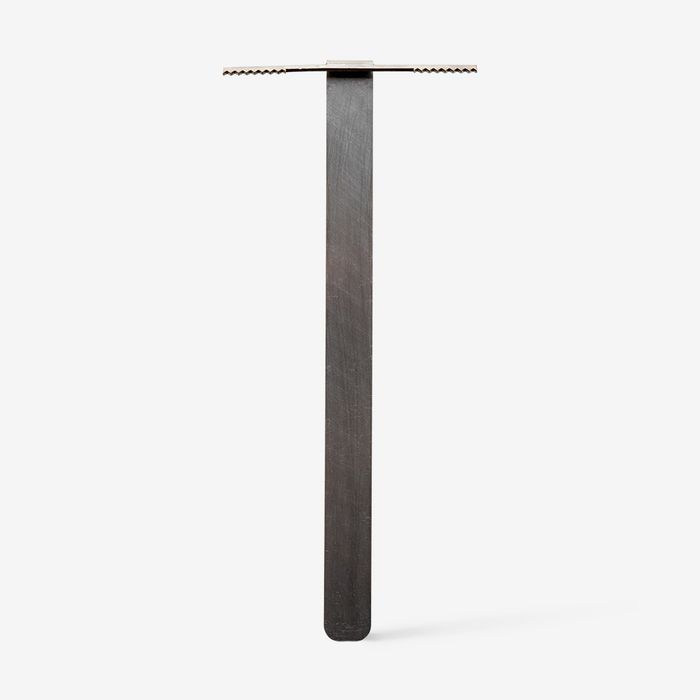
Panel extender bars are directly relevant if you use a pochade box and occasionally want to work slightly larger than the standard panel slots allow. The New Wave U.GO extender bar fits the U.GO system and extends the maximum panel size without requiring a new box.
Jackson's
New Wave : U.GO : Plein Air : Panel Extender Bar : Medium
The New Wave U.go Plein Air Panel Extender Bar Medium Enables You To Work On Taller Vertical Painting Surfaces When Using The Medium Or Small U.go Anywhere Pochade Box. Constructed From Durable Steel With A Smooth Powder-coated Finish, It Is Precisely Cut And Angled To Provide A
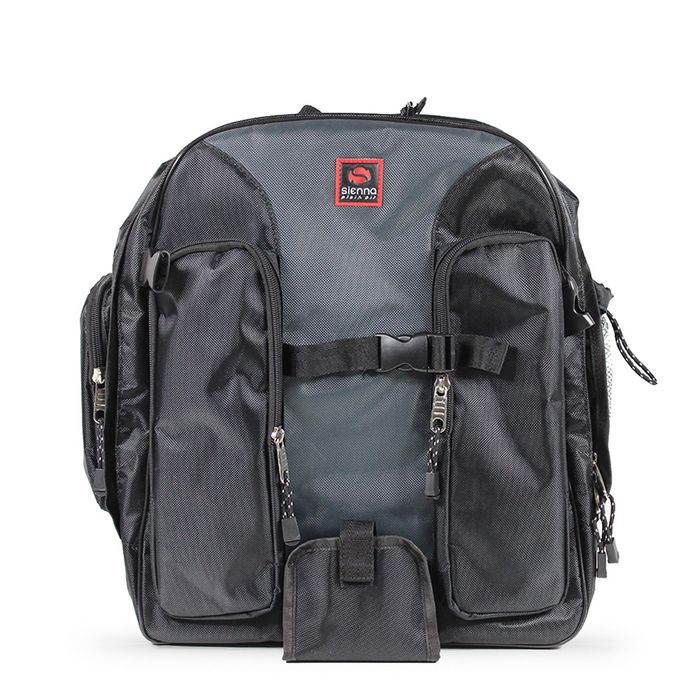
Plein air backpacks designed for painting kit solve the carrying problem elegantly. The Richeson Ultimate Plein Air Backpack is built to hold a pochade box, panels, brushes, paint tubes, and a water bottle together in one organised carry, which is considerably more practical than juggling a separate easel bag, a palette case, and a rucksack on a breezy hillside.
Jackson's
Richeson : Ultimate Plein Air Backpack
The Sienna Ultimate Plein Air Backpack Is An Excellent Addition To Your Plein Air Setup. It Is The Perfect Accessory To Carry All Of Your Plein Air Gear And Will Easily Fit The Sienna Large Pochade Box, Wet Panel Box, A Tripod, brush Cleaner, And All Of Your Other Painting Suppli
Our Recommendations at a Glance
| Situation | Recommended type | Good starting point |
|---|---|---|
| Car-based, larger canvases | French easel | Jackson's French Style Box Easel (£123) |
| Frequent outdoor painter, oils or acrylics | Pochade box + tripod | Richeson Sienna Medium + suitable tripod |
| Watercolourist, seated or standing | Tilting field easel | Studio Essentials Aluminium Tilting (£69) |
| Complete beginner, testing the habit | Budget field easel | Tart Company Field Easel Large (£29) |
| Traveller or urban sketcher | Compact pochade or micro setup | New Wave U.GO Anywhere (£228) |
There is no perfect plein air easel, only the one that suits how you actually paint. The painter who walks three miles to a remote estuary and the painter who drives to a village green and sets up for the afternoon need very different things, and neither choice is more serious or more committed than the other.
Whatever you choose, the easel is a means to an end. A good one will help you spend more time looking and painting, and less time fighting with your gear. That's all it needs to do, and any of the systems covered here can do that well in the right hands.
FAQ
Frequently Asked Questions
Which plein air easel handles windy UK conditions best?
A tripod-mounted pochade box is the most practical. Lower and spread the tripod legs, hang a bag from the centre column if you can, and work on smaller panels in gusty conditions.
Is a French easel a good choice for UK painters?
Yes if you drive to spots and need integrated storage and support for larger canvases. It is heavy and fiddlier on uneven ground, and wooden parts benefit from occasional wax or oil to resist damp.
What is the best easel for watercolour plein air work?
A tilting aluminium field easel. It gives the angle control watercolour needs, folds flat for trains or buses, and is much lighter than a French box.
What should I pick if I travel by train or bus?
Choose a compact pochade box plus a lightweight tripod or a slim field easel that fits a rucksack. Check tripod thread size and weight rating before assuming a camera tripod will work.
What accessories and maintenance matter most?
Useful extras include wet panel carriers, panel extender bars and a dedicated plein air backpack. For wooden easels, apply furniture wax or danish oil once or twice a year to protect against damp.
Author

PleinAirPainting Editorial Team
PleinAirPainting.co.uk helps artists paint outdoors with confidence through UK-focused guides, equipment advice, resources and plein air inspiration.