South Downs Plein Air Painting: A Practical Guide to the Best Spots and What to Expect
A practical guide to south downs plein air painting with top locations, seasonal light advice, kit and transport tips, and access and safety reminders.

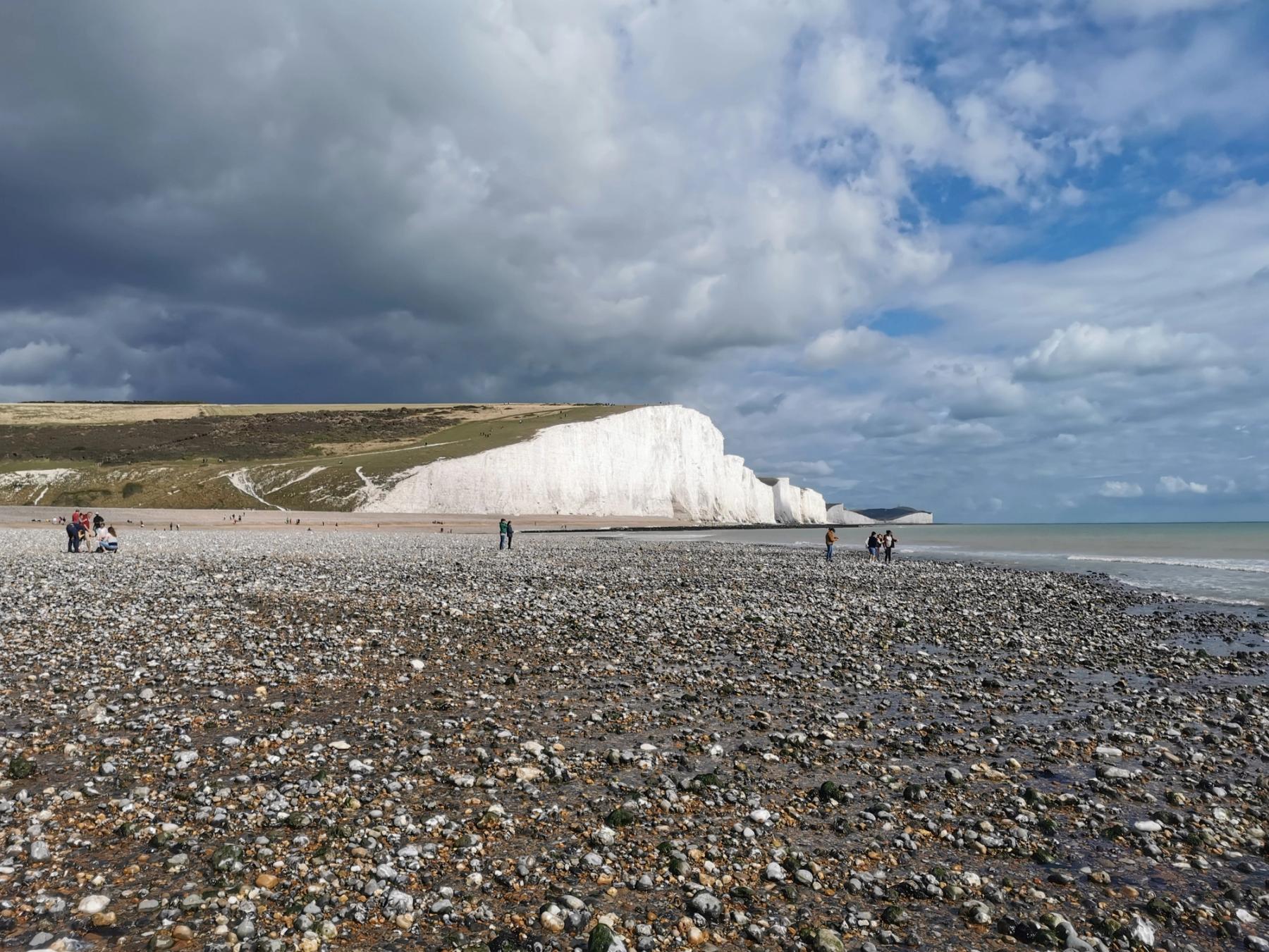
The Seven Sisters Cliffs at Cuckmere Haven.
Credit: PAUL FARMER — Wikimedia — CC BY-SA 2.0
Key takeaways
- • Chalk downland creates a bright, high-key light with cool blue-grey shadows and strong atmospheric perspective.
- • Recommended locations include Firle Beacon, Cuckmere Haven (Seven Sisters), Ditchling Beacon, Lewes/Ouse Valley, Amberley, and Petworth.
- • Spring and autumn are the most reliable seasons for paintable light; summer is best early morning and winter offers dramatic low sun.
- • Use lightweight, low-profile kit on ridges: pochade box, tripod, ballast, waterproof boots, sun protection, and plenty of water.
- • Respect access rules: stick to open access and paths, follow the Countryside Code, and leave no trace, especially on fragile chalk grassland.
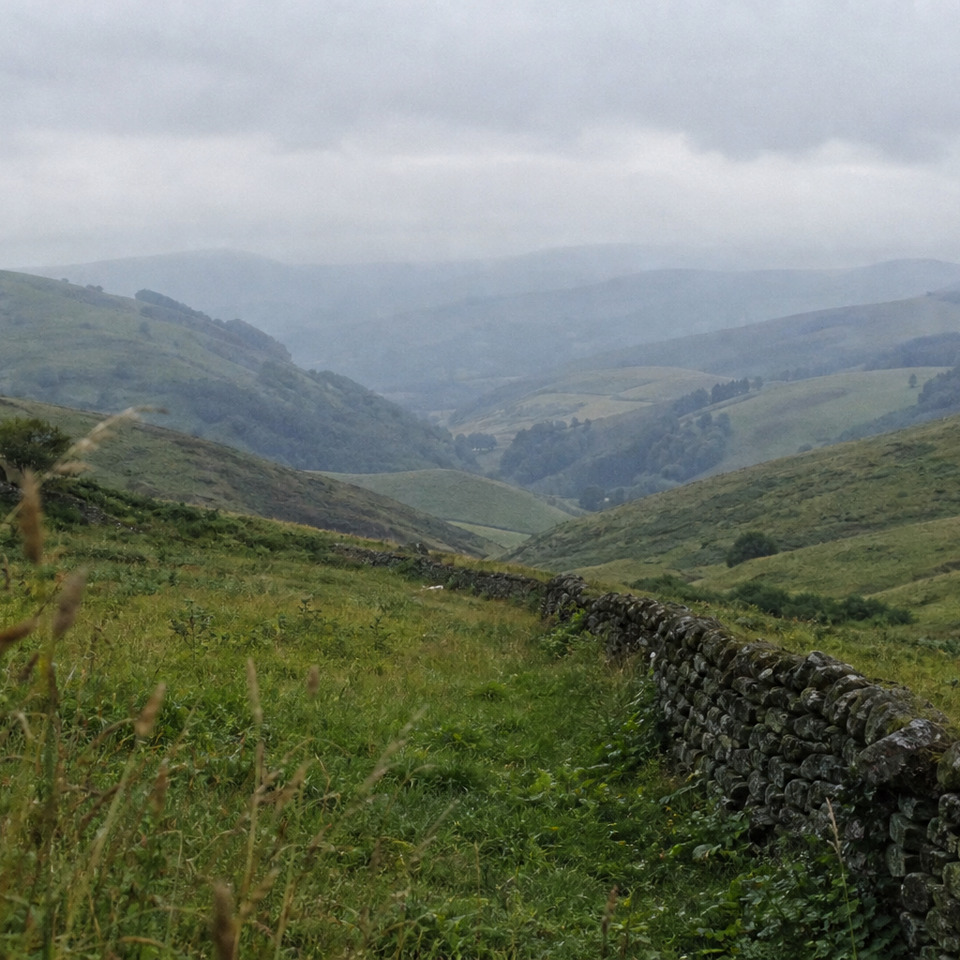
South Downs plein air painting has attracted artists for well over a century, and it's easy to understand why once you've stood on one of the high chalk ridges and watched the light shift across the Weald. This is a landscape of unusual clarity: pale soils, wide skies, and a quality of reflected light that you won't find on softer, greener ground. This guide exists to help you plan an actual session here, not just appreciate the landscape from a distance. You'll find specific locations, honest notes on access and logistics, guidance on the particular challenges of chalk downland light, and enough seasonal detail to choose when to go and what to bring.
Why the South Downs Rewards Plein Air Painters
The chalk geology underpins everything. Pale soils reflect sky colour back upward, which means the light on the Downs operates at a higher tonal key than most British landscapes. Shadows in the valleys and on north-facing slopes read as a cool blue-grey rather than a warm brown, and the contrast between lit chalk and shaded chalk can be surprisingly dramatic on a sunny day. This is a distinctive light environment, not just pretty scenery.
What makes the South Downs particularly valuable as a painting destination is its variety. Within a compact area, you can move between open escarpment ridges with panoramic views across the Weald, sheltered river valleys with hedged fields and willows, chalk sea cliffs, wetland flats, and wooded hangers in the west. That range means multiple subjects in a single day and very different painting challenges depending on which direction you walk.
The area has been taken seriously by painters for generations. The Bloomsbury Group worked and lived at Charleston and Monk's House in the shadow of the eastern Downs. Contemporary painters including James Hart Dyke have worked these ridges extensively. None of this is to intimidate; it's simply confirmation that serious artists have found the South Downs worth sustained attention, and with good reason.
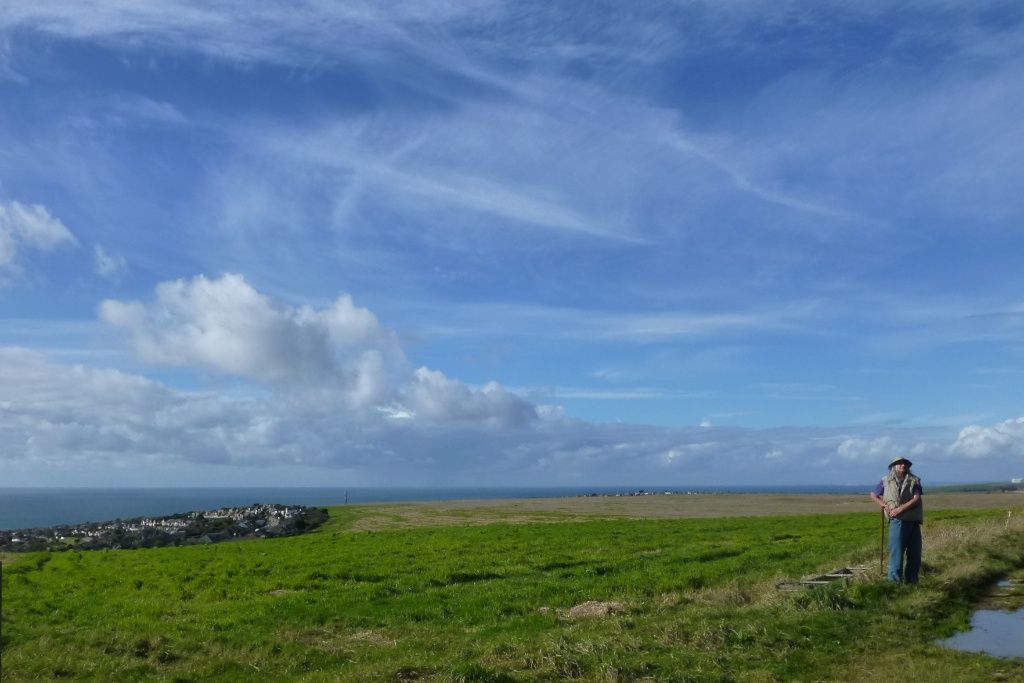
A dog on the South Downs during a walk. by Elsie esq.; Flickr; CC BY 2.0
Six South Downs Painting Locations Worth Making the Trip For
Firle Beacon and the Eastern Escarpment
Firle Beacon sits on National Trust and open access land above the village of Firle in East Sussex. From the summit you get one of the cleanest views on the eastern Downs: the Weald spreading north in a patchwork of fields and hedgerows, the coast visible to the south on a clear day, and the ridge itself curving away in both directions with almost nothing built to interrupt it.
The car park is in Firle village; from there it's a steady uphill walk of roughly 20 to 25 minutes with gear. Chalk paths dry out quickly after rain in summer but can be slippery and cut up in wet weather, so waterproof boots are worth packing even on a fine morning.
The ridge is fully exposed to south-westerly winds, which can be significant. Bring a low-profile setup or a bag heavy enough to ballast your easel. Charleston House lies below the scarp, and its association with the Bloomsbury Group gives the location a quiet art-historical weight if that kind of context helps you settle into a place. Compositionally, the long horizontal lines of the ridge make for strong, spare paintings; the challenge is finding a foreground that earns its place.
Cuckmere Haven and the Seven Sisters
The Seven Sisters Country Park at Exceat offers one of the most paintable concentrations of subjects in the South Downs: the meanders of the Cuckmere River winding through flat saltmarsh, a wide shingle beach, and the iconic chalk cliff faces rising beyond. There's a pay-and-display car park at Exceat. The walk to the river meanders and beach is gentle and flat, manageable even with a fully loaded backpack. The cliff top path from Birling Gap is shorter and gives a different angle on the cliffs, though it is more exposed.
For plein air painters visiting Sussex for the first time, this is often the first port of call, and it rewards the effort. The meanders in particular offer strong foreground interest with the white cliffs as a backdrop. Early morning in summer brings a coastal mist that softens the contrast and makes the light paintable in ways that midday sun does not. The location is busy at weekends and through peak summer; arriving before 9am makes a measurable difference.
Cliff safety at Seven Sisters
The chalk cliffs here are actively eroding. Keep well back from the edge at all times, even when a composition seems to call for a closer viewpoint. Heed all warning signs and do not climb over safety fencing. The views from a safe distance are more than enough.
Ditchling Beacon and the Central Scarp
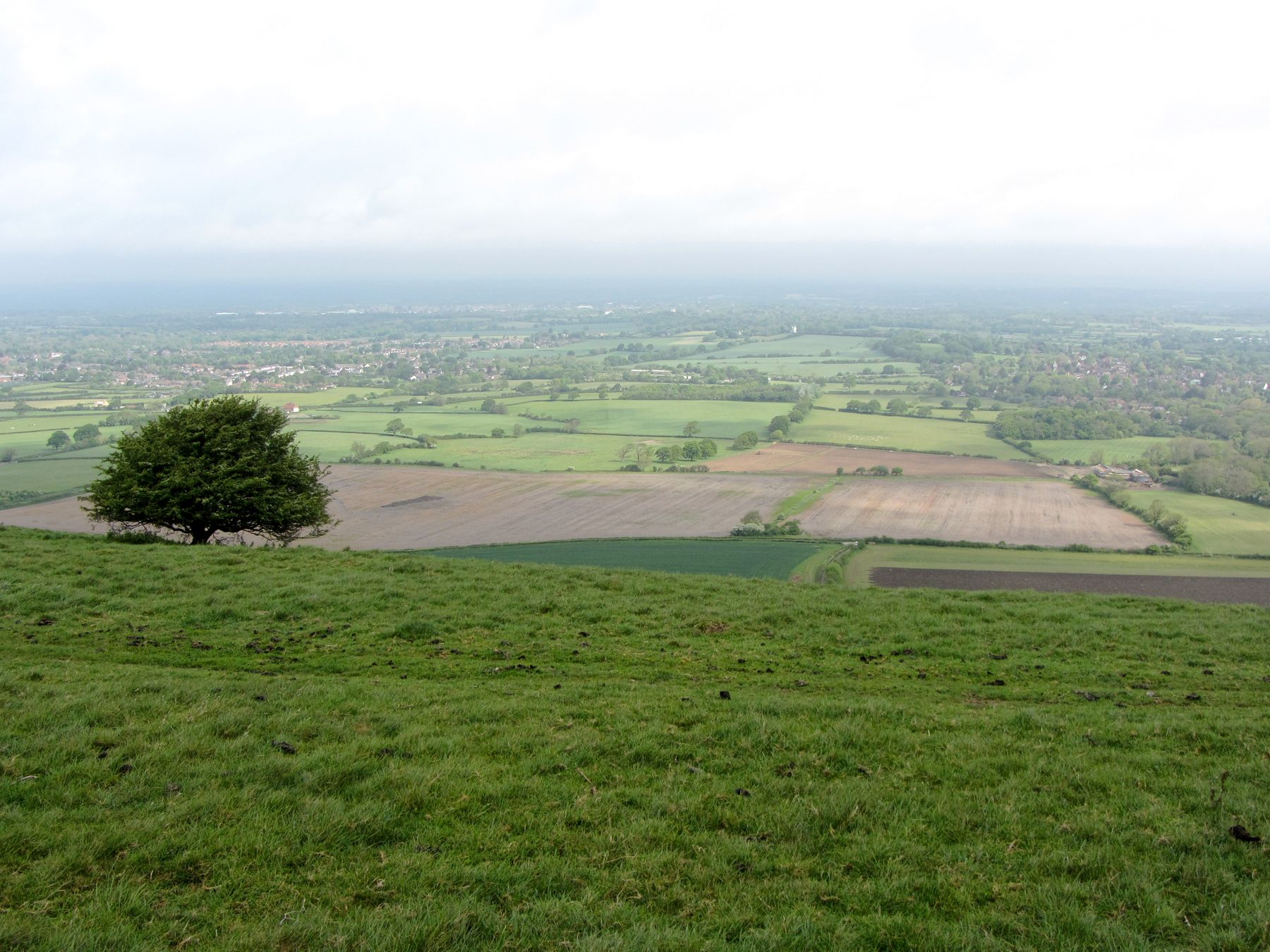
View north from Ditchling Beacon. by Gareth James — Wikimedia; CC BY-SA 2.0
Ditchling Beacon has a National Trust car park right at the top of the scarp. It's small and fills quickly at weekends, so arriving early is not optional if you want to avoid circling. The views north over the Weald are broad and uninterrupted; the scarp face drops steeply below, and on a clear day the atmospheric perspective over the fields is striking, colours cooling and flattening toward the horizon in a way that almost demonstrates the principle for you.
Wind is the defining challenge here. This is one of the most exposed points on the central Downs, and a traditional A-frame easel will fight you. A pochade box on a tripod, or a panel holder with a sandbag or bag of kit clipped to the legs, is a much more practical choice. Below the beacon, the village of Ditchling has its own art history connections (Eric Gill lived and worked here, and the Ditchling Museum of Art and Craft is worth a visit if time allows), though the painting itself draws you up to the ridge rather than down into the village.
Lewes and the Ouse Valley
Lewes is the most accessible of the South Downs painting bases by public transport: direct trains from London Victoria and Brighton arrive regularly, which makes it the obvious choice for a car-free trip. The town itself sits where the Ouse cuts through the Downs, and from the valley floor you can look up at chalk escarpments on both sides while painting relatively sheltered river scenery at your feet.
Monk's House at Rodmell, a short distance south along the valley, is a National Trust property with connections to Virginia Woolf and the broader Bloomsbury circle. It's a gentle walk along the valley floor, and the combination of river, hedged meadows, and distant chalk hills gives strong compositional range without any of the exposure challenges of the ridge locations. For painters who want manageable conditions, heavier kit, or simply a quieter session, the Ouse valley is one of the South Downs' most underrated options.
Amberley and the Western Downs Foothills
Amberley sits on the Arun Valley railway line, accessible from both London Bridge and Littlehampton without a car. The village has a quiet history as a painting destination, and it's easy to see why: the castle ruins and village rooflines set against chalk slopes give a strong architectural foreground, while Amberley Wildbrooks stretching out to the west offer a very different subject, wetland water reflections, wide skies, and wetland birds that have a loose, atmospheric quality well suited to alla prima work.
The terrain here is gentler than the high ridge locations. A trolley-based setup is practical on the Wildbrooks footpaths when they're dry, though after prolonged rain it becomes a muddy proposition. The combination of village, wetland, and chalk hills within walking distance of the station makes Amberley one of the most logistically straightforward days out for a painter relying on public transport.
Petworth and the Wooded Western Downs
Petworth is a quieter, more wooded corner of the South Downs National Park, and it rewards painters who want longer, less interrupted sessions. Turner painted the light around Petworth House (National Trust) extensively in the early nineteenth century, and while that's no reason to stand where he stood, it does confirm that the filtered, golden light through the tree belts here has been drawing serious painters for a long time.
The compositions here tend toward enclosed woodland views, valley sections with mixed arable fields, and the occasional broad ridgeline study where the trees open up. It's significantly less crowded than the eastern Downs and a good option in autumn or winter when the light is low and raking and the woods have colour. Without a car, Petworth is harder to reach; Pulborough station on the Arun Valley line is the closest rail point, with a taxi or bus for the remaining distance.
Understanding Chalk Downland Light
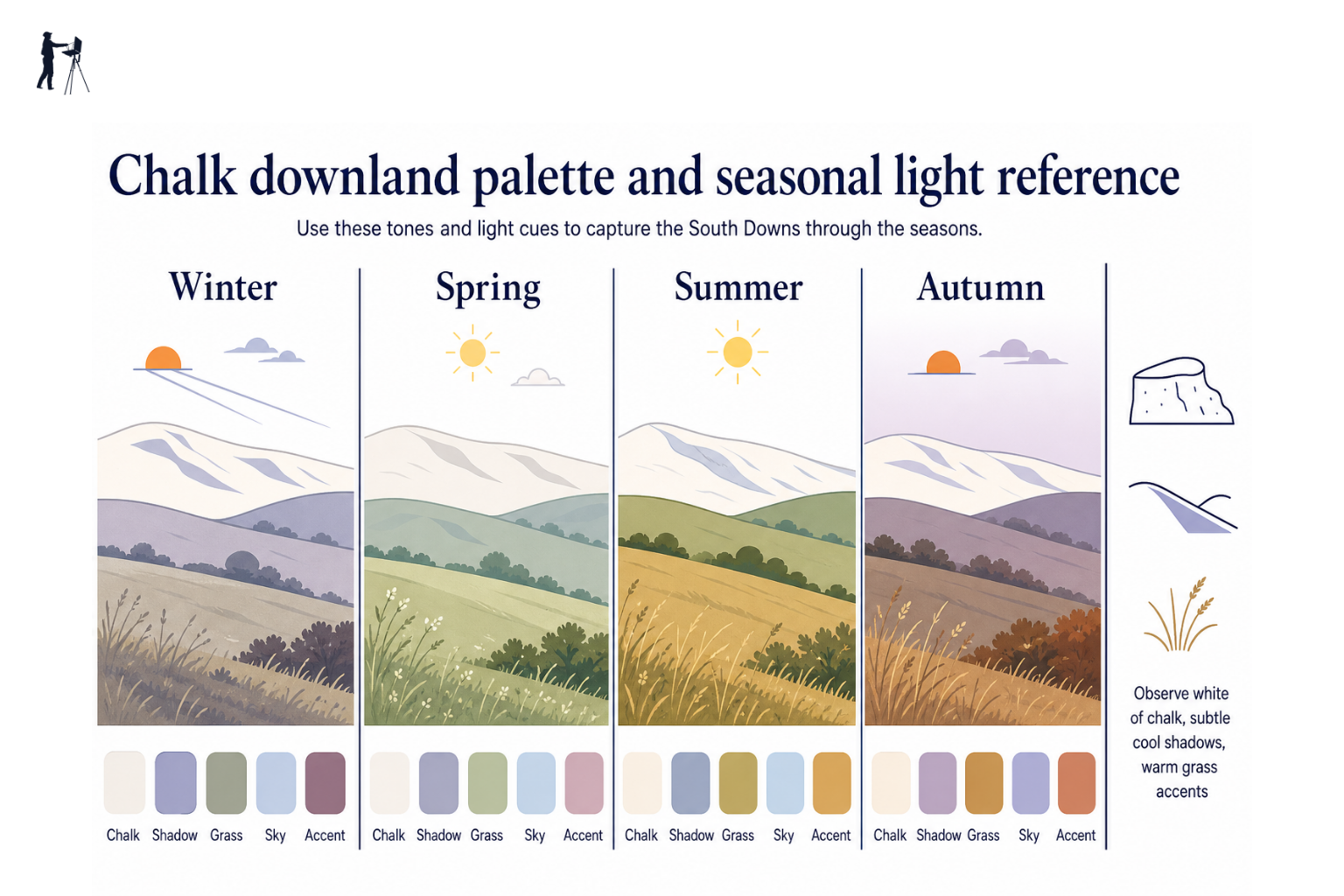
The single most important adjustment for painters new to this landscape is resisting pure white for the chalk. Chalk in direct sunlight reads as a warm or cool off-white depending on the season and the angle; in shadow, it shifts into the grey-blue range. Mixing a small amount of raw umber or yellow ochre into titanium white gives you a more honest chalk surface in summer; adding ultramarine or cerulean blue cools it for shadows and north-facing slopes.
High contrast on a bright summer day can genuinely fatigue the eyes and distort your colour perception. A hat with a brim and a pair of sunglasses worn when you're not actively mixing help more than you might expect. Step back from your work regularly and give your eyes a moment to reset.
Atmospheric perspective over the long Downs ridges is worth studying before you paint here for the first time. Colours don't just get lighter toward the horizon; they actively cool and lose saturation. The distant Weald on a clear day reads almost as a neutral grey-blue, even when the foreground fields are vivid green. Pushing this effect slightly in your painting gives a convincing sense of the space without resorting to photographic literalism.
| Season | Quality of light | Key palette notes |
|---|---|---|
| Spring | Clear and fresh, low UV haze | Yellow-greens, bright chalk, wide tonal range |
| Summer | High and harsh, strong glare | Bleached chalk, deep shadow contrast, watch eye fatigue |
| Autumn | Warm, raking light, longer shadows | Ochres and rusts in fields, rich shadow on north slopes |
| Winter | Low sun, dramatic raking light | Cool blues and greys, excellent for dramatic ridgeline studies |
Practical Planning for a South Downs Painting Session
Access and rights of way: The South Downs National Park contains a mix of open access land, public rights of way, and private farmland. Open access land (shown in yellow on OS maps) allows you to walk and stop freely; rights of way give you the right to pass through but not to set up on the private land either side of the path. In practice, most of the best viewpoints on the Downs sit on open access land or National Trust property, so this distinction rarely causes problems. Where it matters, follow the Countryside Code: close gates behind you, stay clear of crops and livestock, and carry all waste home including paint-soiled rags and water contaminated with paint. Chalk grassland habitats on the Downs are among the rarest in Europe and are legally protected in many areas; work carefully and leave nothing behind.
Getting there:
- By rail: Lewes and Amberley are the strongest bases for car-free trips. Cuckmere Haven (Exceat) is reachable from Seaford or Eastbourne by bus, though services are seasonal and worth checking ahead.
- By car: Firle Beacon, Ditchling Beacon, and the Seven Sisters at Exceat are all significantly more practical with a car. Petworth is easiest with a car.
Carrying your kit: Chalk paths on the escarpment are steep and can be slippery after rain. Lightweight backpack-based setups or compact pochade boxes on tripods are strongly preferable to heavy traditional easels for ridge locations. Trolleys work better in valley locations and at coastal sites with firm, flat paths.
Crowds: Seven Sisters, Charleston, and Ditchling Beacon all attract significant visitor numbers at weekends and throughout summer. Arriving before 9am makes a real difference. The Ouse valley around Rodmell, the Amberley Wildbrooks, and the western Downs around Petworth are reliably quieter.
Packing for the Downs
Wind is the defining challenge on the high ridges. A low-profile setup, a heavy bag clipped to your easel legs, and a sun hat will all earn their place. Bring more water than you think you need on summer days; chalk downland offers very little shade.
When to Paint in the South Downs
Spring is one of the most rewarding times to visit. The rape fields in the Weald below the scarp turn a brilliant acid yellow in April and May, giving strong foreground colour to compositions looking north from the ridge. Chalk grassland flowers begin to appear, the light is clear without the heavy UV haze of midsummer, and temperatures are manageable for a full morning session. It can still be cold on the ridge in March; a windproof layer is worth packing into April.
Summer brings the harshest painting conditions: high sun, strong glare from pale chalk, and crowded honeypot sites. That said, early morning sessions at Cuckmere Haven in July or August can be exceptional. Coastal mist softens the contrast in a way that gives the light a luminous, diffused quality, and the crowds haven't arrived yet. If you're visiting in summer, plan for early starts and be realistic about packing up by midday.
Autumn is probably the single best season for ridge and escarpment work. Raking light and long shadows arrive from September onward; harvest brings stubble fields and changed field colours across the Weald; the light is warm in the afternoon without the harshness of summer. Crowds thin considerably after the school holidays, and you'll often have popular viewpoints largely to yourself on a weekday in October.
Winter rewards the persistent. Low sun creates dramatic conditions on the ridges, and the cool blue and grey palette that chalk downland naturally offers in winter is genuinely beautiful. Muddy chalk paths can be treacherous after prolonged rain; Petworth, Lewes, and valley locations are more practical choices in wet conditions. The Downs in winter are quiet in a way that makes for focused, undistracted sessions.
The most useful thing you can do on a first visit to the South Downs is to paint loosely and move around more than you think you need to. Sketch several viewpoints, note where the light falls at different times of day, and find the spot you want to return to. This landscape rewards repeat visits more than almost any other in the South East: the chalk light shifts constantly with the seasons, and a location that didn't quite work in June can be transformed by October. Come back, and it will show you something different every time.
FAQ
Frequently Asked Questions
What makes the South Downs special for plein air painting?
The chalk geology produces a high tonal key and reflective light. Lit chalk reads off-white while shadows shift to cool blue-grey, and long ridges create strong atmospheric perspective.
Which South Downs spots are best for a day of plein air work?
Top choices are Firle Beacon, Cuckmere Haven and the Seven Sisters, Ditchling Beacon, Lewes/Ouse Valley, Amberley Wildbrooks, and Petworth for woods and quieter sessions.
When should I plan a visit for the best light?
Spring and autumn are most painterly: spring for fresh colour and rapeseed, autumn for warm raking light. Summer can be good early morning; winter offers dramatic low sun but can be muddy.
What kit works best on exposed ridges?
Use a low-profile pochade box or panel holder on a tripod, ballast for legs, a sun hat, sunglasses, waterproof boots, extra water, and a compact windproof layer.
Can I set up anywhere on the Downs and what access rules apply?
Much of the park is open access or National Trust land, but rights of way only allow passage. Follow the Countryside Code, avoid crops and livestock, and take all paint waste home.
Author

PleinAirPainting Editorial Team
PleinAirPainting.co.uk helps artists paint outdoors with confidence through UK-focused guides, equipment advice, resources and plein air inspiration.