The Best Painting Panels for Plein Air Oil Painting
A practical UK guide to the best painting panels for plein air. Compares aluminium, plywood and canvas-mounted options, covers sizes, priming and pochade box fit, and recommends first purchases.

Key takeaways
- • Panels outperform stretched canvas outdoors because they resist wind and moisture and fit pochade box slots.
- • Choose support, priming, size and thickness first to avoid panels that do not fit your pochade system.
- • Jackson's aluminium panels are best for durability; Ampersand offers smooth and canvas texture primed panels; Belle Arti cotton panels are the budget study option.
- • Most pochade boxes accept panels up to 6mm thick; avoid cradled panels for slot systems and standardise on 8x10, 9x12 or 10x12 where possible.
- • Test a few panel types and sizes in your pochade box before bulk buying and seal MDF edges if you will paint near water.
Choosing the best painting panels for plein air isn't simply a matter of surface preference. It's about what fits your pochade box, survives a damp afternoon on the coast, and doesn't cost enough to make you precious about every brushstroke. In this guide we'll work through the key decisions: support material, priming, size and thickness, and pochade box compatibility. Then we'll cover our specific picks, all available in the UK, across a range of budgets and painting styles.
Why Panels Beat Canvas for Plein Air Oil Painting
Stretched canvas is perfectly fine in the studio. Outdoors, it becomes a problem. Wind catches it, humidity softens the surface tension, and fitting it into a pochade box or wet panel carrier is awkward at best and impossible at worst. Plein air oil painting panels are rigid, which means they hold steady in a breeze and sit cleanly in the clamp or slot of any modern pochade system.
Canvas boards (canvas glued to a card or MDF backing) sit somewhere in between. They're better than bare stretched canvas outdoors, but the backing can warp with moisture over time and the canvas surface can lift at the edges. Rigid panels — whether aluminium, plywood, or another hard substrate — are simply more reliable in the field.
For most UK outdoor painters, the shift to panels feels obvious after the first damp afternoon. Once you've tried it, there's little reason to go back.
Panel or canvas board?
If you're moving from studio to outdoor painting, panels rather than stretched canvas are almost always the better choice. They're rigid, wind-resistant, and designed to fit the wet panel compartments of modern pochade boxes. Canvas boards are a reasonable middle ground, but bare stretched canvas is tricky outdoors.
What to Look for in a Plein Air Painting Panel
Before we get to specific products, it's worth understanding the four decisions that matter most. Getting these right first means you won't end up with a stack of panels that don't fit your box, or a surface that fights your painting style.
Support Material: Wood, Aluminium, or Canvas-Mounted?
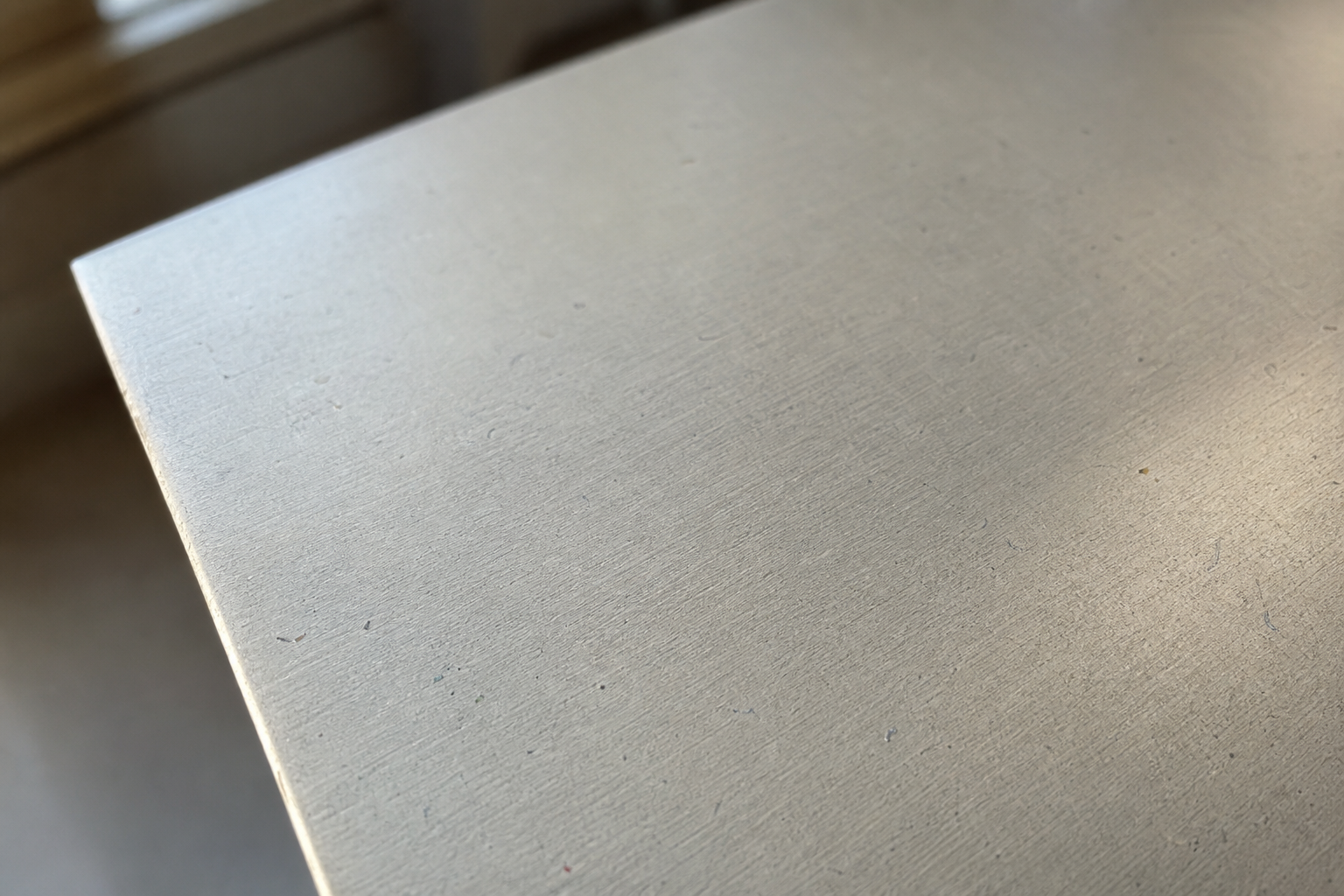
Aluminium panels are thin (typically 2mm), completely warp-proof, and essentially impervious to moisture. That makes them the most practically durable option for UK conditions: coastal salt air, wet grass, rapid temperature changes. The trade-off is a smoother surface that can feel slippery if you're used to canvas tooth.
Plywood and hardwood panels offer a more familiar surface feel and are generally more affordable. Good-quality birch ply panels are stable and work well for most plein air situations. Thinner examples (3mm and under) fit pochade box slots without difficulty. The main risk is warping if not properly sealed and stored; edge sealing matters.
Canvas-mounted panels (canvas or linen adhered to a rigid substrate) give you the texture and feel of traditional canvas with the structural stability of a board. They're a natural stepping stone for painters moving from studio canvas work to outdoor panels.
Priming: Oil, Acrylic, or Universal Ground?
The priming choice is practical rather than theological. Oil-primed panels have a smoother, less absorbent surface. They suit deliberate, classical techniques but can be slower to grip in the early stages of a painting. Acrylic and universal grounds offer more tooth, absorb more readily, and tend to suit the direct, alla prima approach that UK plein air conditions often encourage: when the light shifts every twenty minutes, you need to work fast and commit.
For outdoor painting in changeable conditions, a slightly more absorbent universal ground is often easier to manage. That said, if you're already comfortable with oil-primed surfaces and work with thinned early layers, there's no reason to change.
The important thing for beginners: don't use unprimed panels outdoors. Oil will sink unevenly into raw wood and the result will be dull and unstable. All the panels recommended here are pre-primed and ready to paint on.
Size and Thickness: Will It Fit Your Pochade Box?
This is the practical question most articles overlook, and it matters more than almost anything else. The majority of contemporary pochade systems (including the Jackson's Pochade Painting Box and the Richeson Sienna) are designed around panels no thicker than 6mm. Cradled panels (22mm or 38mm deep) will not fit slot-based systems: they are studio products.
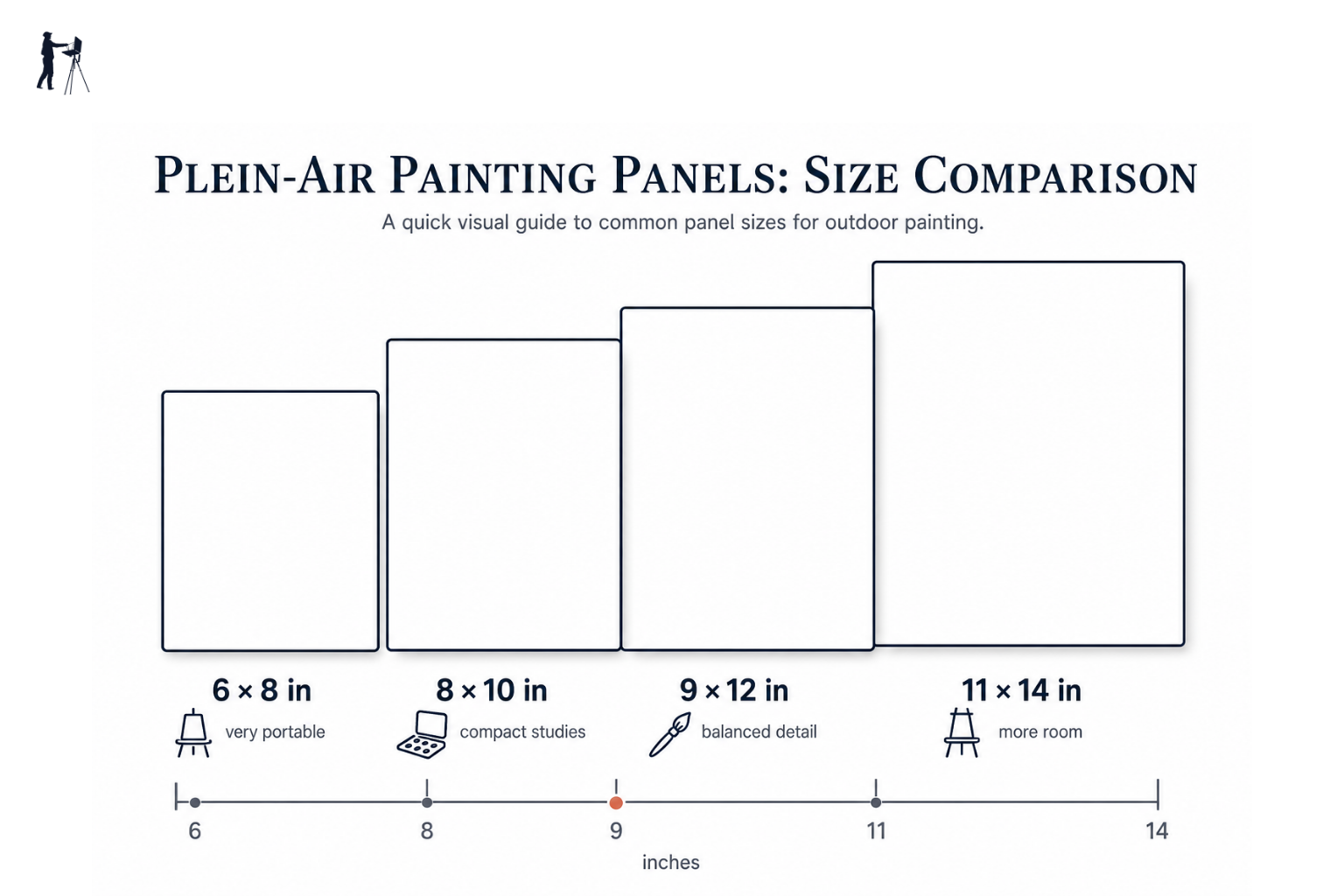
For plein air painting in the UK, the most workable sizes are 6x8", 8x10", 9x12", and 10x12". These fit the widest range of pochade systems and wet panel carriers, and they're large enough for a meaningful study without becoming unwieldy to carry.
| Size | Best for | Pochade box fit |
|---|---|---|
| 6x8" | Rapid studies, 30–60 min sessions | Fits most compact boxes |
| 8x10" | General field painting | Standard size for most wet panel systems |
| 9x12" | Slightly more detailed work | Fits Richeson Sienna and similar boxes |
| 10x12" | Longer sessions, more ambitious studies | Check box dimensions carefully |
| 11x14" | Car-based or easel painting only | Too large for most pochade systems |
Weight and Durability for UK Conditions
Many of the best plein air spots in the UK involve a walk. Whether it's a coastal path in Northumberland, open moorland in the Peak District, or a riverside stretch that requires twenty minutes on foot to reach, you're carrying everything with you. Aluminium panels and thin plywood are noticeably lighter than MDF or heavier composites, and that weight difference adds up across a full kit. If you're painting from the car or a fixed location, heavier panels become less of a concern.
The Best Plein Air Painting Panels Available in the UK
These are our recommended picks across different needs, budgets, and painting styles: not an exhaustive list, but a clear shortlist that covers the most useful options currently available from UK stockists.
Jackson's Aluminium Panels: Best for Durability and Archival Work
If you're painting regularly outdoors in the UK, aluminium panels are worth taking seriously. At just 2mm thick, Jackson's aluminium panels are lighter and thinner than most wood-based alternatives while being completely immune to warping. They don't absorb moisture, they don't swell at the edges in damp conditions, and they can handle the kind of coastal humidity that slowly degrades less robust surfaces over time.
The panels are ready-prepared for oil and acrylic straight from the packaging, and they're available in a useful range of plein air sizes from 6x8" up to 12x16". Prices run from around £9.20 for the 6x8" up to £26.50 for the 12x16", with the 8x10" and 10x12" sizes sitting in the middle of that range. Buying a few at a time is reasonable; buying in small bulk keeps the cost per panel manageable for regular outdoor sessions.
The surface is smoother than canvas or wood, which can feel disorienting at first. A thin tinted imprimatura (burnt sienna rubbed out with a rag before you start) or a single light coat of oil-friendly ground resolves this quickly and gives you a more familiar working surface.
For pochade box use, standardise on the 8x10" or 10x12" sizes. Both clear the 6mm maximum depth threshold easily and fit the standard slot systems without any adjustment.
Jackson's Aluminium Panels
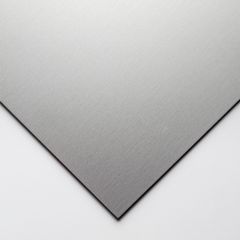
Jackson's : Aluminium Panel : 6x8 Inch (Approx. 15x20cm) : 2mm Thickness : Ready Prepared For All Media
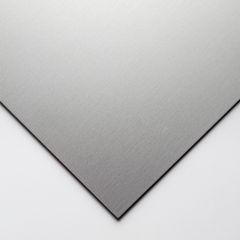
Jackson's : Aluminium Panel : 8x10 Inch (Approx. 20x25cm) : 2mm Thickness : Ready Prepared For All Media
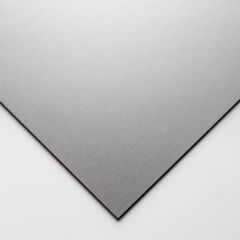
Jackson's : Aluminium Panel : 10x12 Inch (Approx. 25x30cm) : 2mm Thickness : Ready Prepared For All Media
Jackson's : Aluminium Panel : 12x16 Inch (Approx. 30x40cm) : 2mm Thickness : Ready Prepared For All Media
Jackson's Aluminium Panels
Pros
- + Extremely warp-resistant — ideal for damp, coastal, or high-humidity conditions
- + Very thin and light for the rigidity they offer
- + Ready-prepared for oil and acrylic straight from the box
- + Available in multiple plein air sizes from Jackson's
Cons
- - Slicker surface than wood or canvas — may need a ground or imprimatura
- - Higher cost per panel than plywood or MDF options
- - Surface feel takes some getting used to if you're coming from canvas
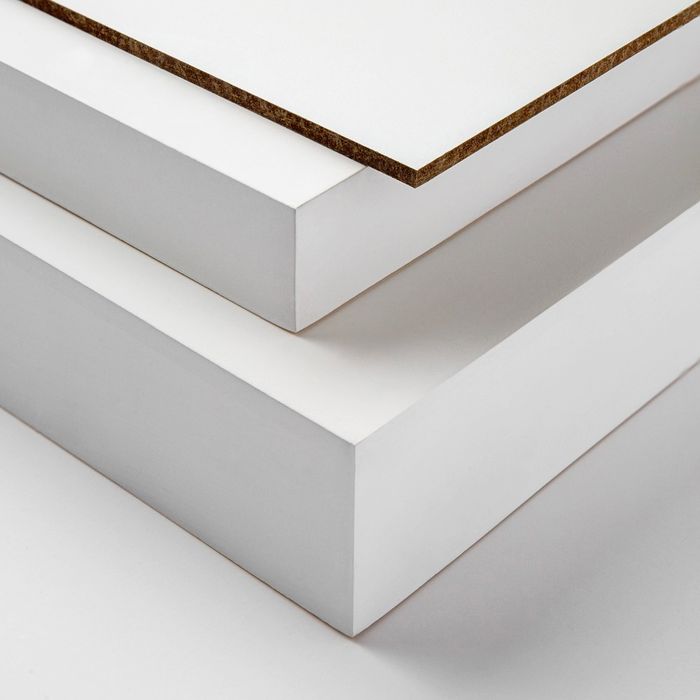
Ampersand Smooth Primed Artist Panels: Best Ready-Primed Option for Detail Work
Ampersand panels are a well-established name with strong archival credentials, and they're available in the UK through Jackson's. The smooth primed surface uses an acrylic ground that's slightly absorbent without being thirsty: it grips marks well, holds detail cleanly, and suits painters who like a confident, deliberate approach.
For plein air use, the key point is to buy the flat, uncradled versions. Ampersand also produce cradled panels at 22mm and 38mm depth; these are excellent studio supports but will not fit the slot system of any standard pochade box. Stick to the flat panels for field work.
Entry price for smaller sizes comes in around £4.60, making these a reasonable mid-range step up from cheap canvas boards if you want consistent, reliable quality without committing to aluminium costs. Worth having a few in your kit alongside other surface types.
Jackson's
Ampersand : Smooth Primed Artist Panels
Ampersand Smooth Primed Artist Panels Have A Semi-absorbent, Acid-free Ground That Is Excellent For Painting In Oils, Acrylics, Water-based Media, And Also For Drawing. Consisting Of Top Quality 3mm MDF, These Panels Are Coated With An Acrylic Gesso Primer And Supported With Soli
Ampersand Canvas Texture Primed Panels: Best for Painters Transitioning from Canvas
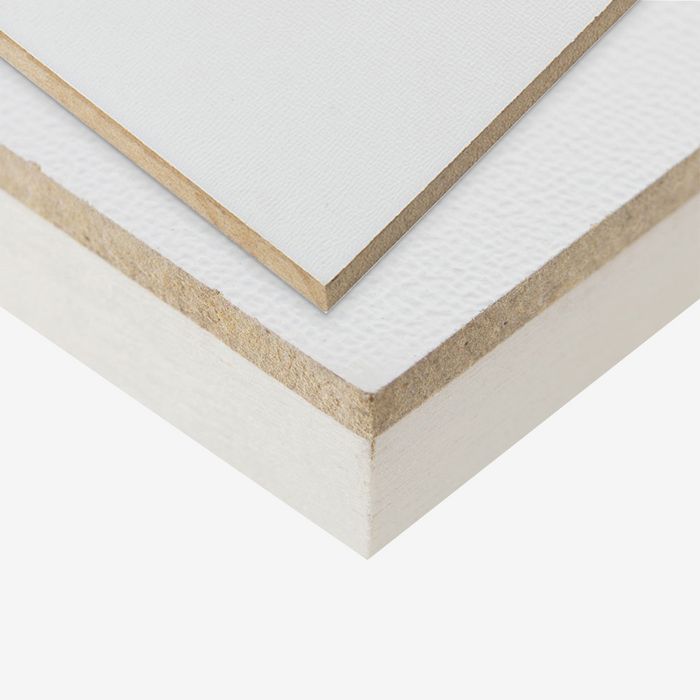
Not everyone finds the shift to a smooth panel easy. If you've been working on canvas for years, the lack of tooth can feel genuinely disorientating: marks don't grip in the same way and the surface can feel like it's fighting you. The Ampersand canvas texture panels offer a practical solution.
These are rigid boards with a canvas-texture ground applied, giving you the familiar tooth and visual surface of canvas with the structural stability that plein air demands. The surface is more absorbent than the smooth-primed version, which suits the fast, committed brushwork that UK plein air often requires. When the clouds roll in off the Atlantic and you have twenty minutes before the light changes completely, you need a surface that responds quickly.
Available from Jackson's with prices from around £7.30. The texture is consistent across the board, which means it won't distort or shift the way stretched canvas can when wind or humidity gets involved.
Jackson's
Ampersand : Canvas Texture Primed Artist Panels
Ampersand Canvas Textured Primed Artist Panel Is A High Quality MDF Panel Sealed With Acid-free Acrylic Gesso With Added Canvas Texture. Perfect With Oil Paints And Acrylics, The Ready-to-paint Canvas-like Texture Gives Artists All The Advantages Of Painting On Panel, But With Th
Belle Arti Cotton Canvas Panels: Best Budget Option for Daily Studies
For building a regular outdoor painting habit, these are the panels to start with. Belle Arti's cotton canvas panels are straightforward: cotton canvas mounted on 3.2mm MDF, priced for painters who want to go out regularly without calculating the cost of each support.
At 3.2mm, the MDF backing sits well within the 6mm maximum for pochade box slots and clamps easily in standard systems. The cotton surface suits direct, alla prima painting and holds oil paint without excessive absorbency. These aren't archival-grade panels, and it's worth being honest about that: they're study panels, not exhibition-grade supports. MDF can be susceptible to moisture over time, so if you're painting near water regularly (a coastal estuary, say, or a riverside in winter), sealing the edges with a coat of gesso before use is good practice.
The sizes are metric: the 18x24cm is close to 7x9.5" and the 30x40cm is close to 12x16". Neither is a perfect match to standard imperial pochade formats, but both fit most contemporary box systems without difficulty. The 18x24cm is the more practical of the two for regular outdoor sessions.
Belle Arti Cotton Canvas Panels
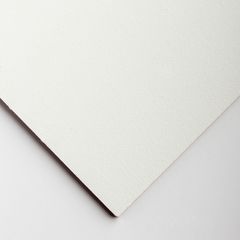
Belle Arti : Canvas Panel : Cotton : 3.2mm MDF : 18x24cm
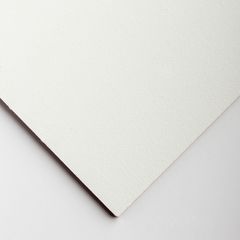
Belle Arti : Canvas Panel : Cotton : 3.2mm MDF : 30x40cm
Belle Arti Cotton Canvas Panels
Pros
- + Very affordable — ideal for building up a stock for daily outdoor studies
- + Cotton surface suits fast alla prima and direct painting
- + Thin MDF (3.2mm) fits easily in most pochade box slot systems
- + Wide size range available from Jackson's
Cons
- - Not archival-grade — MDF is susceptible to moisture over time
- - Cotton surface less durable than linen for reworking or scraping back
- - Sizes are metric and don't always match standard imperial pochade box formats exactly
Matching Your Panels to Your Pochade Box
Panel selection and pochade box compatibility are two sides of the same decision, and getting them right together saves a lot of frustration in the field.
The rule of thumb for most contemporary pochade systems is a maximum panel depth of 6mm. Both the Jackson's aluminium panels (2mm) and the Belle Arti MDF panels (3.2mm) sit well within this. The Ampersand flat panels are similarly thin. The panels to avoid in slot-based systems are cradled panels: at 22mm or 38mm deep, they simply won't fit.
Panel dimensions matter too. Most pochade systems clamp across the panel edges, so you need to check the clamp range of your specific box against the panel size you're buying. The Jackson's Pochade Painting Box and the Richeson Sienna both accommodate standard plein air sizes comfortably in the 8x10" to 10x12" range.
If you're producing multiple studies per session and need to transport wet panels safely, the New Wave U.GO Wet Panel Carrier is a dedicated solution worth considering. It holds panels safely apart during transport without disturbing the wet paint surface. Available in medium and large formats to suit different panel sizes.
Pochade box panel compatibility at a glance
- Maximum panel thickness
- 6mm
- Jackson's aluminium panels
- 2mm
- Belle Arti canvas panels
- 3.2mm
- Ampersand cradled panels
- 22mm or 38mm
- Most practical sizes
- 8x10", 9x12", 10x12"
For most contemporary pochade and wet panel systems
Comfortably fits all slot-based systems
Fits all standard pochade box slots
Not suitable for pochade box slot use
Standardise on one to simplify framing and storage
Wet Panel Transport
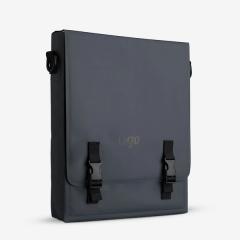
New Wave : U.GO : Plein Air : Wet Panel Carrier : Medium
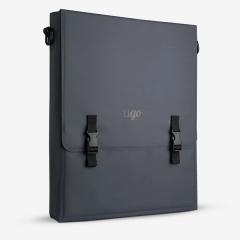
New Wave : U.GO : Plein Air : Wet Panel Carrier : Large
Which Panel Should You Buy First?
Here's a direct steer for three types of reader, without hedging.
If you're just starting out and want to paint regularly without worrying about cost: start with the Belle Arti cotton panels in 18x24cm. They're affordable enough to use freely, they fit standard pochade systems without fuss, and the cotton surface suits the kind of fast, exploratory painting that outdoor sessions call for. Buy a pack of ten and go out without worrying about the cost of each study.
If you're painting seriously and want a surface that will last and handle UK weather well: Jackson's aluminium panels in 8x10" or 10x12" are the sensible choice. They're more expensive per panel, but they're warp-proof, moisture-resistant, and completely reliable in the kind of conditions you'll encounter from Cornwall to the Scottish Highlands. They'll outlast any MDF-backed panel and the surface, once you're comfortable with it, is excellent for direct oil work.
If you're transitioning from canvas and find smooth panels disorienting: the Ampersand canvas texture panels offer a practical stepping stone. The familiar tooth gives your brushwork something to grip, and the rigid support does its job quietly in the background.
Whatever combination you settle on, buy a small mixed batch first. A couple of each type, in one or two sizes, before committing to a larger order. The panel you reach for most after three or four sessions outdoors is the one to stock up on.
A Few Practical Tips Before You Buy
- Test a panel in your pochade box's slot and clamp before ordering in bulk. Sizes and thicknesses that look compatible on paper occasionally don't sit as expected.
- If you're buying unprimed wood panels (not covered here, but worth noting), apply two to three coats of acrylic gesso at home before use. Painting into raw wood with oils is not a good approach for archival stability or surface consistency.
- Seal the edges of any MDF-backed panel with a coat of gesso or varnish before taking it near water. The edges are the most vulnerable point for moisture ingress.
- Standardise on one or two sizes. It simplifies framing, storage, and your overall system. Mixing formats constantly adds small frictions that accumulate over time.
- Store panels flat and dry between sessions. Leaning panels against a wall for weeks at a time, particularly in a garage or shed, invites warping in wood-backed options.
Before you bulk-buy
Pick up two or three panels in different types and sizes before committing to a larger order. Test each one in your pochade box's clamps and wet panel slot, and do a session with each surface. The panel you reach for most after three or four outings is the one to stock up on.
FAQ
Frequently Asked Questions
Why are panels better than stretched canvas for plein air painting?
Rigid panels resist wind and humidity, fit pochade box slots cleanly, and avoid the warping and edge lift that stretched canvas can suffer outdoors.
What panel thickness will fit most pochade boxes?
Most contemporary pochade systems accept panels up to 6mm thick. Thin aluminium (about 2mm) and MDF-backed canvas panels (around 3.2mm) fit comfortably; cradled panels at 22mm or 38mm do not.
Which support should I pick for coastal or damp UK conditions?
Aluminium panels are the most durable and moisture resistant for coastal or humid conditions. Birch plywood sealed at the edges is a good lighter cost option; avoid unsealed MDF near water.
What priming is best for fast alla prima plein air work?
A slightly absorbent acrylic or universal ground usually suits fast alla prima outdoor painting because it grips paint quickly. Oil-primed surfaces are fine if you work in thinner early layers.
What should I buy first if I am starting plein air painting?
Buy a small mixed pack: an affordable Belle Arti cotton panel for daily practice, an Ampersand canvas texture or smooth primed panel to try a studio-like surface, and one Jackson's aluminium panel for durability testing.
Author

PleinAirPainting Editorial Team
PleinAirPainting.co.uk helps artists paint outdoors with confidence through UK-focused guides, equipment advice, resources and plein air inspiration.