Solvent-Free Plein Air Oil Painting: A Practical Guide for UK Artists
Practical, step-by-step guidance for solvent free plein air oil painting: choose a system, clean brushes without solvents, follow fat-over-lean, and pack a compact, safer kit.

Key takeaways
- • Three workable solvent-free systems: drying oils, solvent-free alkyd gel/fluid, and water-mixable oils.
- • Clean brushes on site with wipe, oil swish, and home soap wash; WMO allow water rinsing on location.
- • Fat-over-lean still applies; keep first layers lean and limit solvent-free medium to below 25% of mix.
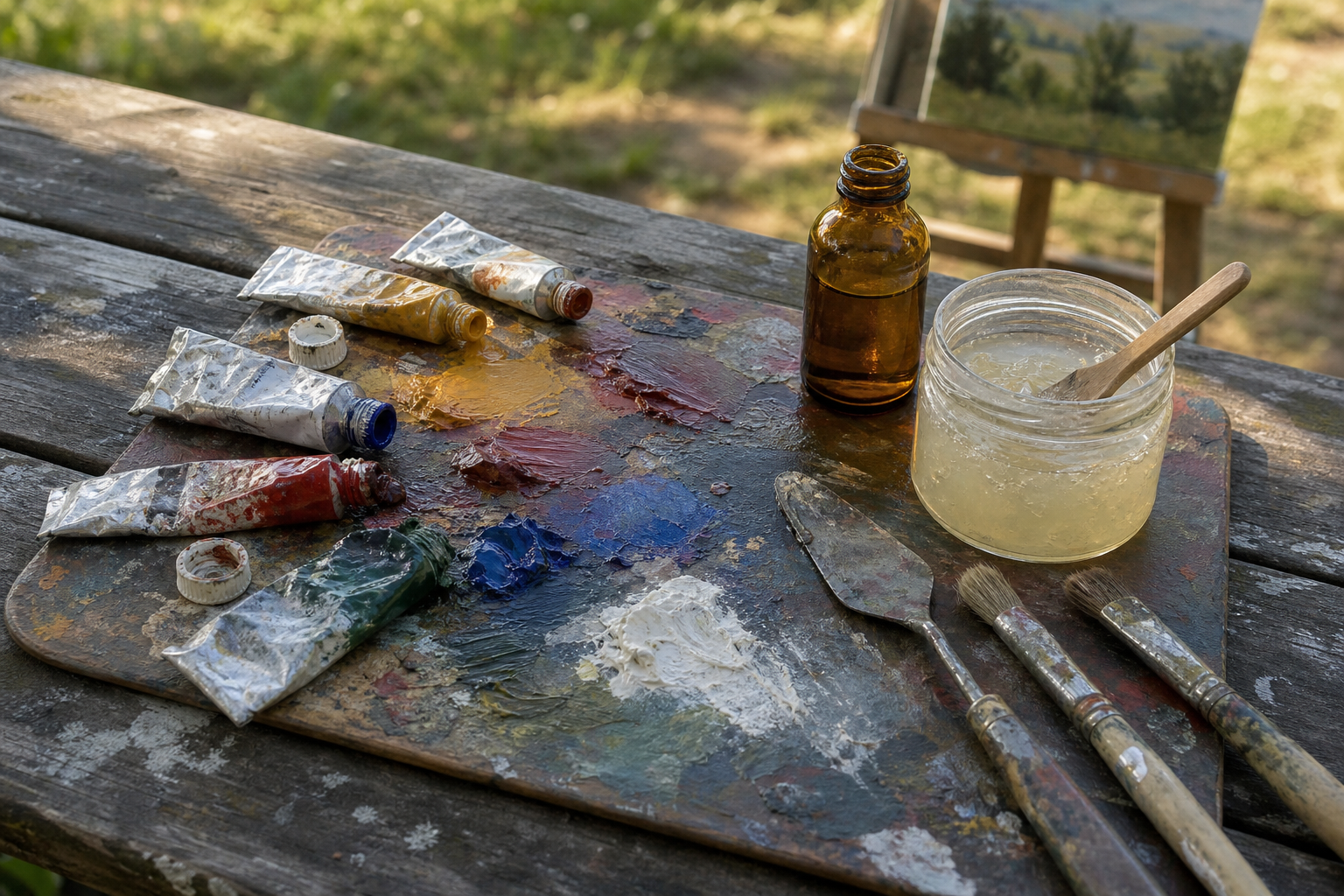
- • Pack a minimal, lighter kit: paints, a small medium (or walnut oil), oil jar for cleaning, rags, sealable tin, and panels.
- • Solvent-free working reduces fumes and travel restrictions but still requires basic pigment and oily rag safety.
You don't need turpentine to paint with oils outdoors. Solvent-free plein air oil painting is genuinely workable, and for many painters it's actually simpler than the solvent-based setup they started with. This guide covers the three main approaches, how to clean your brushes in the field, and a practical session workflow you can follow on your next outing.
What Does Solvent-Free Actually Mean?
Oil paints straight from the tube contain no solvent. The pigment is bound in a drying oil, usually linseed, safflower, or walnut, and that's it. Solvent only enters the process if you add it yourself, typically as a thinner or brush cleaner.
The solvents most painters use are turpentine, white spirit, or low-odour alternatives like Zest-It or Sansodor. They're useful for thinning paint and rinsing brushes, but they're also flammable, smelly, and classified as hazardous liquids. For plein air painting specifically, that creates real inconvenience: open jars outdoors, fumes in a warm car, and restrictions when travelling by train, coach, or plane.
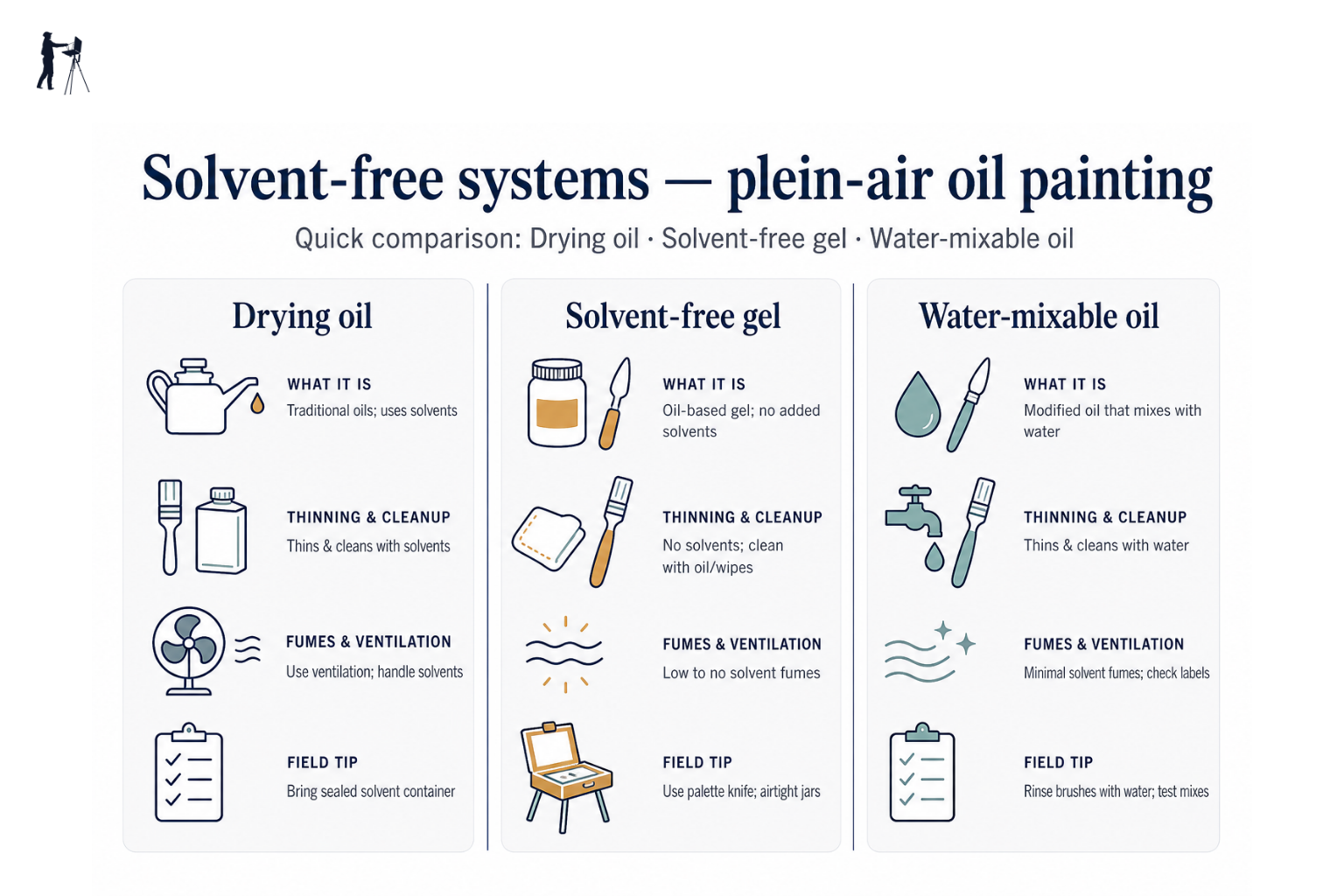
Going solvent-free means replacing those solvents with one of three alternatives:
- Drying oils (walnut, linseed, safflower) used sparingly as a medium
- Solvent-free alkyd gel or fluid mediums (such as Gamblin's range) that speed drying without any hazardous component
- Water-mixable oil paints designed to thin and clean up with water alone
Three Solvent-Free Systems to Choose From
Here's how to think about this. The three systems aren't equally suited to every painter, and you don't need to try all of them. Read through and pick the one that fits how you already work.
Option 1: Just Use a Drying Oil
The simplest approach is to stop adding solvent and use a drying oil instead. Walnut oil is the most commonly recommended choice for plein air work: it's paler than linseed, yellows less over time, and handles well with lighter colours. Linseed oil dries a little faster and gives a more durable film. Safflower dries more slowly, which can be useful for blending but is less practical when you're working in layers outdoors.
The key is restraint. A tiny amount goes a long way, and overloading your paint with oil causes it to stay wet for days and risks long-term film problems. If you already paint with regular oils and want to make the smallest possible change, this is where to start: just swap the solvent jar for a small dropper bottle of walnut oil and see how it feels.
Option 2: A Solvent-Free Gel or Fluid Medium
This is the approach most plein air painters settle on, and it's the one we'd recommend as a default. Alkyd-based solvent-free mediums like Gamblin Solvent-Free Gel and Gamblin Solvent-Free Fluid give you faster drying than plain oils, better paint extension, and support for both texture and glazing work, all without any hazardous liquid in your kit.
These mediums come in compact, leak-proof packaging that travels easily, and a little goes a long way in practice. The critical thing to understand is the 25% rule: because these mediums contain no evaporating component, they're essentially all fat. Using too much causes wrinkling, slow curing, and weak paint films. Keep additions well below a quarter of your total paint mixture, and you'll have no problems.
Gamblin Solvent-Free Mediums
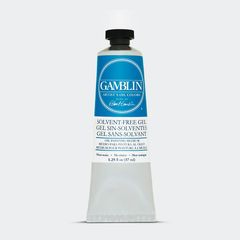
Gamblin : Solvent Free Gel : Oil / Alkyd Painting Medium : 37ml
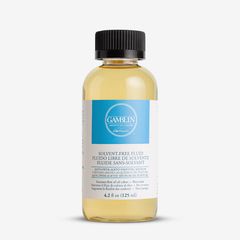
Gamblin : Solvent Free Fluid Oil / Alkyd Painting Medium : 125ml
Option 3: Water-Mixable Oil Paints
Water-mixable oils (WMO) are a distinct category of oil paint in which the binding oil has been modified to disperse in water. You can thin them with water, blend them with dedicated WMO mediums, and rinse your brushes on site using nothing but water from a bottle. Back home, soap and warm water finishes the job.
This system suits painters who are used to acrylics, or anyone working in a shared house or small studio where even drying-oil smells are unwelcome. The fat-over-lean principle still applies: more water makes a leaner layer, so keep water additions to early stages and use the dedicated medium for later, richer layers.
You don't necessarily need to replace your entire paint collection. A product like Schmincke Medium W can convert regular oil paints into a water-mixable system, though if you're starting fresh, purpose-made ranges like Schmincke Norma Blue or Cobra Artist give you the most consistent results. Both are widely available from UK suppliers.
Water-Mixable Oil Paints
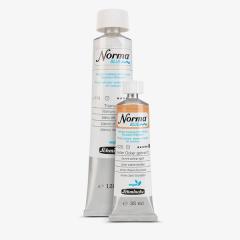
Schmincke : Norma Blue : Water Mixable Oil Paint
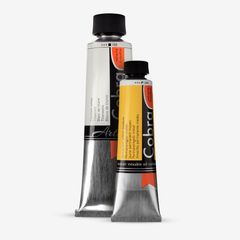
Cobra : Artist Watermixable Oil Paint
| System | Best for | Drying speed | Brush cleaning | Cost to start |
|---|---|---|---|---|
| Drying oil only | Painters wanting the simplest change | Slower | Oil + soap | Very low |
| Solvent-free gel/fluid | Most plein air painters; best all-rounder | Faster | Oil + soap | Low to moderate |
| Water-mixable oils | Shared spaces; those used to acrylics | Moderate | Water + soap | Moderate |
Solvent-Free Oil Painting Outdoors: Fat-Over-Lean Still Matters
One of the most common questions when switching to solvent-free working is whether the fat-over-lean rule still applies. It does, and it arguably needs more conscious attention than before, because there's no solvent to create a naturally lean first layer.
The principle is straightforward: each successive layer of paint should contain slightly more oil than the one beneath it. A layer that's leaner than the one below it dries faster on the surface while the layer underneath is still moving, which causes cracking over time.
In practice, the solution is simple. Start with paint straight from the tube for your first pass, or with just a touch of oil or gel mixed in. Add a little more medium in subsequent layers, keeping gel and fluid mediums well below the 25% mark at all times.
It's worth noting that solvent-free gels and fluids are for extending paint and supporting texture, not for thinning it to a wash. If you need a very thin, transparent initial layer, applying paint straight from the tube and working quickly is more reliable than trying to make a glaze with gel. For WMO painters, a small amount of water works well for a lean first layer, with the dedicated medium introduced in later stages.
Keep it lean to start
Resist the urge to add medium in your first pass. Working paint straight from the tube keeps the initial layer lean and gives you more flexibility with each layer after.
Cleaning Brushes in the Field Without Solvent
Many painters assume they need solvent to clean brushes. You don't. The oil-and-wipe method is genuinely effective, and with a bit of practice it becomes second nature.
Solvent-free brush cleaning: on site
Wipe thoroughly
After each colour change, wipe the brush firmly on a rag or paper towel. Remove as much paint as you can before anything else.
Swish in oil
Keep a small lidded jar of safflower or sunflower oil. Swish the brush in it to loosen remaining paint, then wipe again on a fresh rag. Repeat once or twice.
Separate your brushes
Use one set of brushes for light colours and another for darks. This reduces cross-contamination and means you clean less frantically mid-session.
Finish at home
Back indoors, work brush soap through the bristles with warm water until the water runs clear. Reshape and leave to dry bristle-end up.
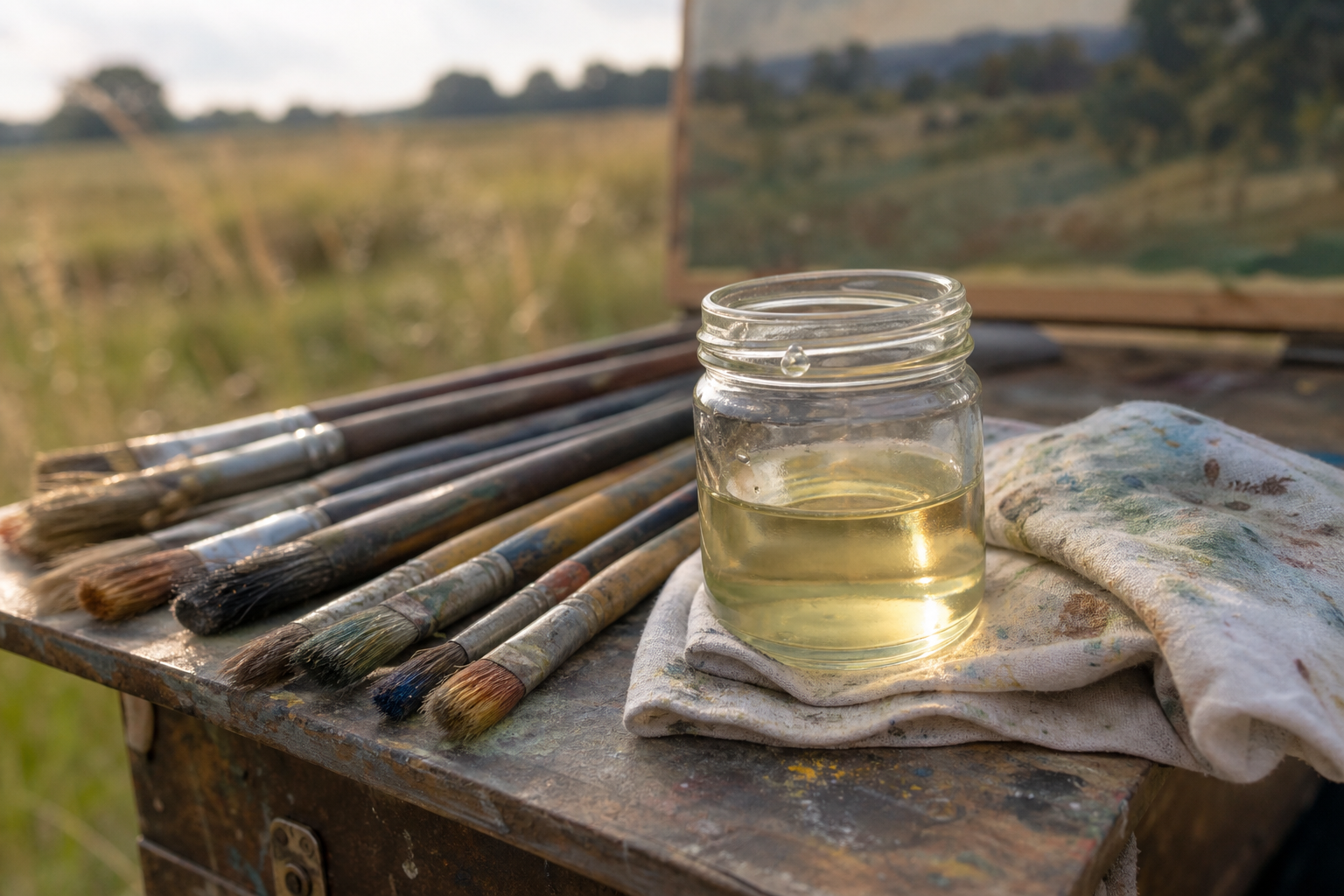
A few additional notes worth keeping in mind. Safflower oil is the better choice for the cleaning jar over linseed: it's paler and won't gradually tint your light-coloured bristles yellow with repeated use.
Carry a sealable bag or tin for used oily rags. Oils that are oxidising as they dry can in rare circumstances generate heat in a bundled rag. It's an unlikely hazard outdoors, but don't leave a scrunched pile of oily cloths sitting in a warm kit bag on a sunny day. Lay them flat or seal them in a tin, and deal with them properly at home.
If you're using water-mixable oils, the process is even simpler: rinse brushes in clean water on site, then soap and warm water at home.
What to Pack: A Minimal Solvent-Free Plein Air Kit
The good news is that a solvent-free kit is lighter and less hazardous than a conventional one. Here's what's different versus the standard solvent-based setup:
- Paint: Any professional artist oil paints (they contain no solvent themselves), or water-mixable oils if using that system.
- Medium: A small 37ml tube of Gamblin Solvent-Free Gel or a leak-proof dropper bottle of walnut oil. Not both; keep it simple.
- Brush cleaner: A small lidded jar containing safflower or sunflower oil.
- Rags: Old cotton cloths or paper towels. Bring more than you think you'll need.
- Sealable bag or tin: For used oily rags.
- Panels: Acrylic-gessoed panels or canvas boards work well. Tone them at home with diluted acrylic, not a solvent wash on location.
- Palette knife: Useful for scraping back unwanted paint rather than dissolving it with solvent.
Drying oils for plein air use
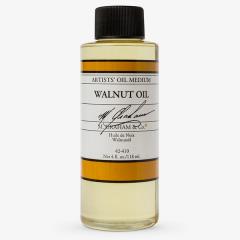
M. Graham : Artist's Oil Medium : 118ml : Walnut Oil Medium
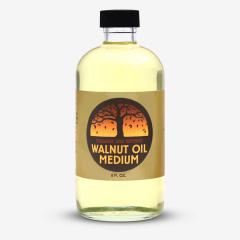
Natural Earth Paint : Walnut Oil (Refined) : 237ml
M. Graham Walnut Oil is well-regarded amongst oil painters and widely available from UK suppliers. Natural Earth Paint's refined walnut oil is a sound alternative, particularly if you get through a fair amount. Either works well in the field; use them sparingly and you'll find a small bottle lasts a good number of sessions.
A Note on "Non-Toxic": What It Does and Doesn't Mean
Removing solvents from your painting practice genuinely reduces your exposure to volatile organic compounds (VOCs). Turpentine and mineral spirits release fumes that can cause headaches, dizziness, and respiratory irritation with regular exposure. Eliminating them is a meaningful safety improvement, not a marginal one.
That said, "non-toxic" is a term that needs some qualification. The oil paints themselves are not without hazard: some pigments, including certain cadmiums and cobalts, require basic care. Wash your hands after every session, avoid touching your face while painting, and don't eat while you work. Pigment safety is a separate matter from solvent safety, and switching to solvent-free mediums doesn't change the picture there.
The oily rag point bears repeating here too. Drying oils oxidise as they cure, and this process releases a small amount of heat. In normal outdoor conditions this is barely relevant, but a thick bundle of oil-soaked rags left in a warm enclosed space is worth treating with the same common sense you'd apply to any flammable material. Spread them flat to dry or store them in a sealed tin.
Solvent-free products do avoid petroleum distillates, and that's genuinely better for both the painter and the environment. Just don't read "solvent-free" as "completely safe without any precautions." Safer, yes. Worth doing, absolutely. But still basic care required.
Solvent-Free Oils and UK Travel: What You Need to Know
Turpentine and white spirit are classified as flammable liquids, which creates real complications when travelling. Most UK airlines and many ferry operators restrict or prohibit them in hold and cabin luggage, and even coach operators sometimes flag them. In practice, many plein air painters simply avoid travelling with solvents altogether.
Solvent-free alternatives are far more convenient:
- Gamblin Solvent-Free Gel comes in a toothpaste-style tube or small bottle, with no flammability classification.
- Drying oils in small dropper bottles are similarly straightforward to carry.
- WMO painters travelling by air need only water on location, making their kit the most streamlined of all.
Always check with your specific carrier before flying. Regulations vary between airlines and can change, so a quick check before you pack is worth the two minutes it takes.
Getting the Most from Solvent-Free Oil Painting Outdoors
If you're switching from solvent-based working and want to ease in gently, the simplest first step is just to stop adding solvent. Replace it with a touch of walnut or linseed oil and try one session like that before you invest in anything new. Many painters find they need far less than they expected.
If you'd rather have better handling and faster drying from day one, Gamblin Solvent-Free Gel in the 37ml tube is a practical starting point for plein air specifically. It's compact, it travels easily, and because you use it sparingly, a small tube goes a long way.
If brush cleaning was your main reason for keeping solvent in the kit, give the oil-and-soap method a proper run of three or four sessions before deciding it doesn't work. The technique takes a little adjustment but it genuinely cleans brushes well, and most painters who stick with it don't go back.
Painting outdoors without solvents is not a compromise. It's a lighter kit, a less hazardous setup, and for many painters a simpler workflow. The paintings look the same. The experience is better.
FAQ
Frequently Asked Questions
What does solvent-free plein air oil painting mean?
It means using oil paints without adding volatile solvents. Instead you work with small amounts of drying oil, solvent-free alkyd gel/fluid, or water-mixable oils to thin paint and clean brushes.
How do I clean brushes outdoors without solvent?
Wipe brushes on a rag, swish briefly in a small lidded jar of safflower or sunflower oil and wipe again, then finish at home with brush soap and warm water. With water-mixable oils rinse with water on site.
Does the fat-over-lean rule still apply without solvents?
Yes. Start lean (tube paint or minimal oil/water) and increase oil or medium in later layers. Keep solvent-free gels and fluids under the 25 percent guideline to avoid wrinkling or slow curing.
Which solvent-free system is best for plein air work?
Solvent-free alkyd gels or fluids are the best all-rounder for plein air because they dry faster and travel well. Drying oil only is the simplest switch and water-mixable oils suit shared spaces or acrylic users.
Are solvent-free materials easier to travel with in the UK?
Generally yes. Solvent-free gels and small dropper bottles of oil are not classed as flammable liquids like turpentine, and water-mixable kits are the most travel friendly. Always check your carrier before flying.
Author

PleinAirPainting Editorial Team
PleinAirPainting.co.uk helps artists paint outdoors with confidence through UK-focused guides, equipment advice, resources and plein air inspiration.